


Calicut
Ruckstuhl In-house Design
The coconut rug in its pure shape. An avant-garde icon since 1967, Calicut carries the story of a material known for its durability and character.
The bold texture of coconut fiber combines with subtle elegance. Available in 8 understated, carefully coordinated shades.
A classic - crafted for generations.
Colorits
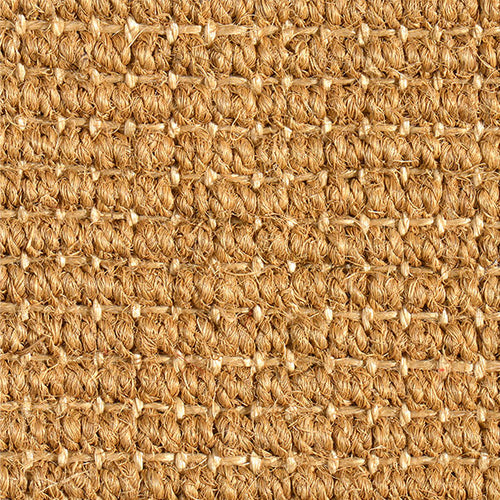
250 gebleicht
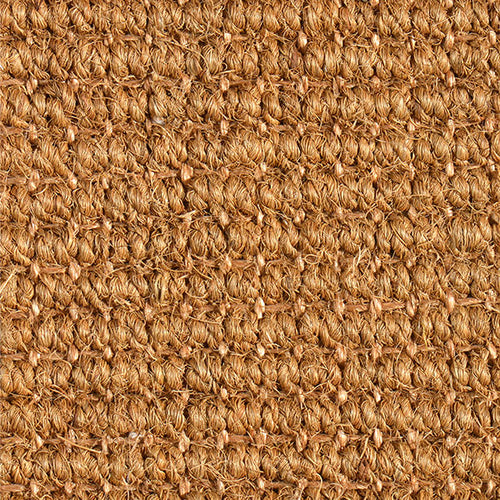
249 natur
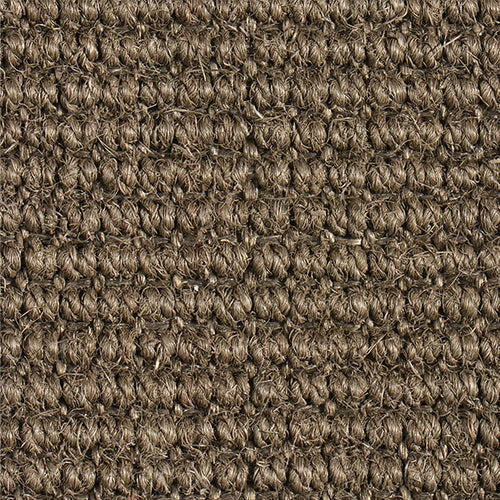
658 granit

200 havanna

136 rost

355 saphirblau

464 malachitgrün
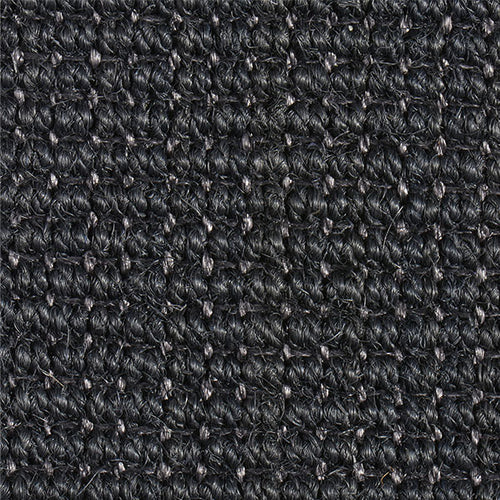
617 indigo
Configure rug
Calicut
Configure a custom version version
Product details
Wear layer
coir
Composition
71% coir, 29% sisal
Back of a rug
CottonBac
Roll width
200 cm
Roll length
30.0 lfm
Fitted rugs
freely selectable
Application weight
3050 g/m²
Total weight
4250 g/m²
Overall height
10.0 mm
Thermal resistance
0.17 (m²K)/W
Surface resistance
- Ω
Through-resistance
- Ω
Fire resistance EN 13501 / DIN 4102
Cfl-s1 / B1
Flame-retardancy requirement
flame-retardant
Can be treated for flame retardancy
[]
Suitable for stairs
true
origin: Sri Lanka
Advantages:
Facts:
The cleaning instructions “Cleaning and care of coir rugs” apply to this product.
coir is a durable plant-based natural fibre with a distinctive, coarse texture. At Ruckstuhl, it is made into long-lasting, flat-woven rugs and floor coverings. The robust surface is suitable for intensive use, but preserving its value over the long term re...
To the complete cleaning guide


