Cleaning instructions
Cleaning and care of coir carpets
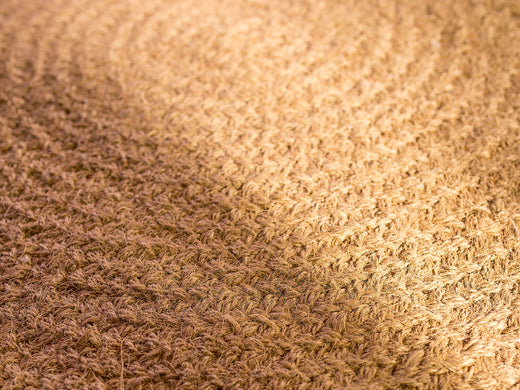
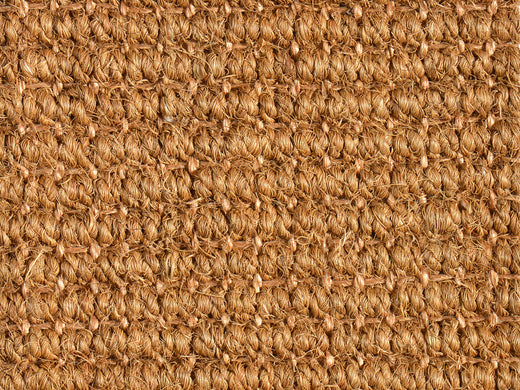
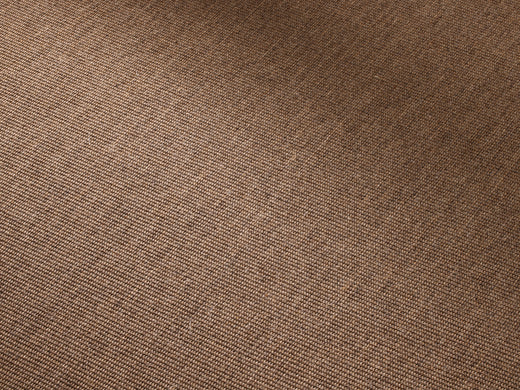
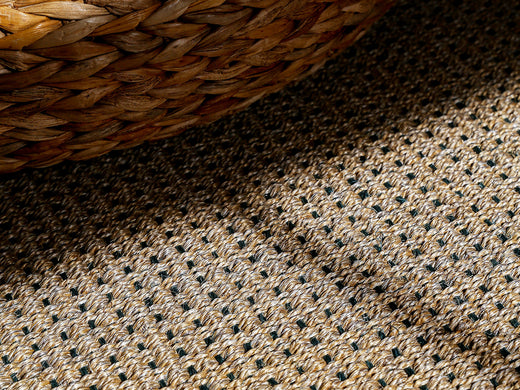
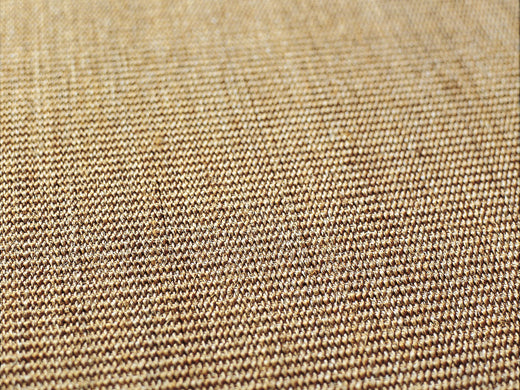
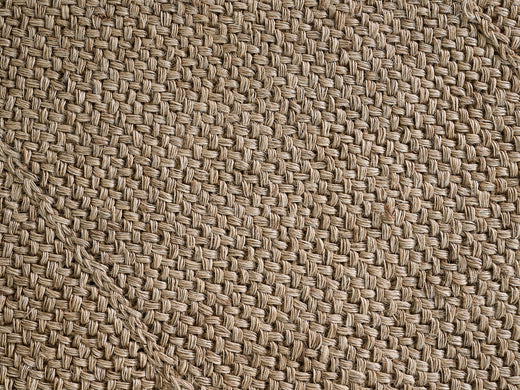
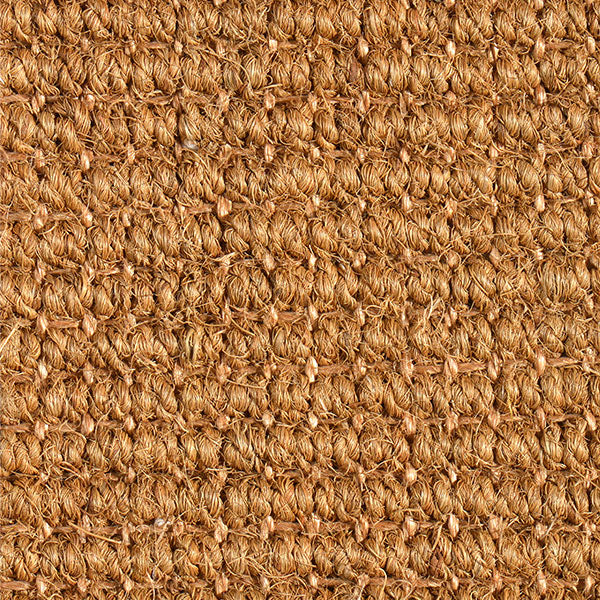
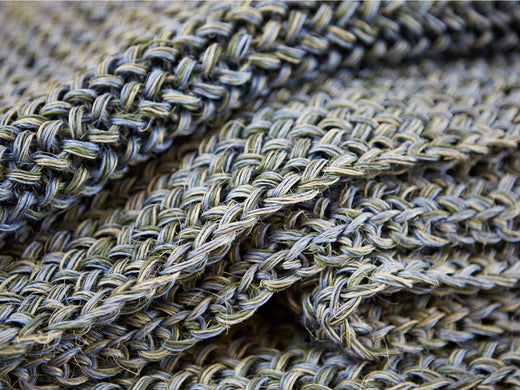
Coir is a robust plant-based natural fibre with a distinctive, strong texture. At Ruckstuhl, it is processed into durable, flat-woven rugs and floor coverings. The hard-wearing surface is suitable for intensive use, but long-term value retention requires regular and thorough dry maintenance cleaning.
The firm weave can hold large amounts of loose dirt without it immediately becoming visible on the surface. Sand, dust and small stones should therefore be removed before they become deeply lodged between the fibres. Mineral particles in particular act like a fine abrasive every time the rug is walked on and can put lasting strain on the fibres and the appearance of the weave.
Coir is a natural material and reacts to moisture. Spilled liquids, wet shoes, standing water and heavily wet cleaning should be avoided wherever possible. Too much water or uneven drying can cause ripples, changes in dimensions, water marks or colour shifts.
For the most balanced material performance possible, we recommend a constant relative humidity of approximately 45 to 60 percent. During the heating season, indoor air should not remain below 45 percent for extended periods; consistently high humidity, condensation and major short-term climate fluctuations should likewise be avoided. A hygrometer, regular brief airing and a consistent room temperature help keep the indoor climate stable.

Prevention and dirt-trapping zone
⌄
The best way to prevent dirt is to stop it from entering the living or office space in the first place. An effective entrance matting area significantly reduces the amount of sand, dust, moisture, and other dirt particles brought inside, thereby making an important contribution to preserving the carpet’s value over the long term.
To the Porta product page:
Maintenance cleaning
⌄
Coir rugs should be vacuumed regularly, thoroughly, and slowly, depending on use and the amount of dirt brought in. In private living areas, vacuuming once or twice a week is usually sufficient. In offices, entrance areas, meeting rooms, or other heavily used zones, daily or several-times-weekly cleaning may be necessary.
The vacuum cleaner should be guided in calm, overlapping passes. Walkways, areas in front of doors, under tables, and around seating furniture require particularly careful attention. Quick, superficial vacuuming removes only some of the dirt; slow vacuuming gives the brush roller and airflow time to loosen sand and dust from the dense woven structure.
The rug may only be vacuumed when dry. Damp dirt is harder to pick up and can be worked deeper into the weave by the movement of the brushes. After liquid has been spilled or a damp spot treatment has been carried out, the area must first be well ventilated and allowed to dry completely.
For periodic refreshing, a professionally performed low-moisture process may be suitable. Depending on the product, construction, and installation method, a controlled yarn-pad or dry-foam process may be appropriate. The cleaning product and method must first be tested on a small, inconspicuous area.
Full-surface spray extraction is generally not recommended for coir. Excessive water can cause rippling, dimensional changes, colour changes, or damage to the subfloor. If damp treatment is unavoidable for heavy localized soiling, it should be carried out by a professional service using the smallest possible amount of liquid, immediate extraction, and rapid technical drying.
Suitable vacuum cleaner nozzle
⌄
For coir carpets, we recommend a powerful brush vacuum or an electric brush with a motorized or separately driven brush roller. The firm coir fiber offers significantly more resistance than a soft pile. An powered roller therefore works more consistently and removes deeply embedded sand more reliably than a turbo brush driven solely by the airflow.
The brush height should be adjusted so that the roller effectively engages with the structure without heavily roughening the fabric. The device should be guided slowly and evenly, without additional pressure. Fringes, loose threads, selvedges, and edgings must not get caught in the rotating roller.
With cordless vacuums, make sure that the brush roller maintains a consistent speed even under load. If it slows down noticeably or stops, the cleaning performance is insufficient. The brush roller, nozzle channel, filter, and dust container must be checked regularly and cleared of fibers, hair, and threads.
Electric brush
Turbo brush
Product-specific notes
⌄
Natural-textured structure and fibre shedding
Coir is a natural material. Slight variations in colour, fibre thickness, lustre, and weave pattern are part of its characteristic appearance. During the initial period of use, individual short fibres may come loose. These should be vacuumed up and not pulled out of the weave by hand.
Moisture and dimensional stability
Spilled liquids must be absorbed immediately. The rug must not be soaked, flooded with water, or subjected to heavy mechanical treatment while damp. After any damp treatment, it must be dried quickly and evenly.
Furniture, castors, and mechanical loads
Furniture should be fitted with clean, sufficiently large, undamaged glides. Grains of sand beneath the glides can place considerable stress on the firm surface when the furniture is moved. Chair castors should only be used on coir qualities explicitly approved for this purpose; otherwise, a suitable protective underlay is recommended.
Indoor climate
A largely constant relative humidity of approximately 45 to 60 percent helps maintain the dimensional stability of the natural fibre. Extreme dryness, persistently high humidity, and significant short-term fluctuations should be avoided. With underfloor heating, particular care should be taken to ensure that the indoor air does not become permanently too dry.
Cleaning of the edging
⌄
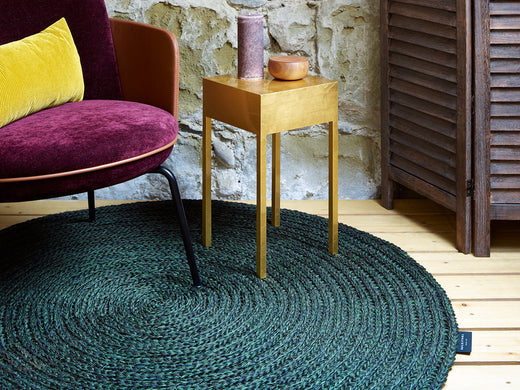
Edgings made of linen, wool felt, or leather react differently to moisture and cleaning agents than the coconut surface. Loose dirt can be vacuumed using a narrow smooth nozzle or with reduced brush action. The rotating roller must not operate directly on seams, woven edges, and edgings for an extended period.
Fresh liquids must be absorbed immediately with a white, absorbent cloth. Do not rub; instead, dab from the outside inwards. Never apply water or cleaning agents directly to the edging.
Linen and felt edgings may only be moistened very sparingly. Thorough wetting can cause water marks, deformation, or color changes. Leather must not be treated with carpet cleaning products; use only a suitable colorless leather-care product after testing it first on an inconspicuous area.
If the coconut surface and edging are both affected, or if the soiling is oily, strongly staining, or extensive, we recommend a professional assessment.
Remove stains
⌄
Stains on coir must be treated as soon as possible. First lift off solid or thickened residue with a spoon or blunt spatula. Absorb liquids with white kitchen paper or a white absorbent cloth. Do not rub, as this will spread the dirt and work it deeper into the fabric.
Always work from the outer edge towards the centre. Never pour water or cleaning agents directly onto the rug. Lightly dampen a white cloth with the appropriate solution, carefully dab the area, and immediately absorb the dissolved substance with a second dry cloth.
Coir is sensitive to excessive moisture. Every treatment must first be tested in an inconspicuous area for colour, structure and dimensional stability. The treated area must then be dried quickly. If a ring, discolouration, odour or sticky surface remains, stop the treatment and consult a specialist.
Do not use bleach, chlorine-based cleaners, aggressive acids or alkalis, highly foaming household cleaners or cleaning agents mixed arbitrarily.
Cola, coffee, and red wine
+
Immediately blot fresh stains from cola, coffee, tea, fruit juice, or red wine with white absorbent paper or a white cloth. Place the cloth over the stain and press firmly, but do not rub the surface. Repeat the process with clean material until hardly any more liquid is transferred.
Then dab the area from the outside inwards with a white cloth that is only slightly moistened with clean water. Never pour water directly onto the coir carpet. Immediately absorb any loosened residue with a dry cloth.
Because coir can absorb moisture quickly, there is a risk of water marks and permanent colour changes. The area must be well ventilated and dried as quickly as possible. Highly coloured drinks may leave visible traces despite correct immediate treatment. For larger or dried-in stains, we recommend professional cleaning.
Asphalt, shoe polish, grease, and chocolate
+
Asphalt, shoe polish, cooking oil, grease, and chocolate are not water-soluble or are only partially water-soluble. Carefully lift solid residues first with a blunt knife, spoon, or spatula, without pressing the substance deeper into the fabric.
Oily residues can be treated with a white cloth sparingly moistened with a grease remover suitable for natural-fiber rugs or with pure cleaning benzine. Never apply the product directly to the rug, and test it first in an inconspicuous area.
Dab from the outside toward the center and absorb dissolved residues with a second dry white cloth. Ensure good ventilation and keep away from ignition sources. For large, older, or deeply penetrated stains, leave the treatment to a professional cleaning service.
Biological contaminants
+
Biological contaminants such as urine and vomit must be removed as quickly as possible. Pick up solid matter using disposable gloves and a spoon or blunt spatula. Then blot liquids with white kitchen paper or an absorbent white cloth.
Do not rub or soak the area. A slightly damp white cloth may be used carefully, working from the outside in; any moisture introduced must then be absorbed as completely as possible.
Acids and dyes can permanently discolour coir. If the liquid penetrates deeply into the fabric or reaches the backing, it can also cause odours and changes in shape. Do not use chlorine-based cleaners, aggressive disinfectants or strongly perfumed odour-masking products.
Dried-in stains, persistent odours or visible discolouration require professional treatment. Loose rugs should be lifted so that the underside and floor can be inspected and dried completely.
Candle wax
+
Allow the candle wax to cool and harden completely. Do not rub soft wax. Carefully break up the cold wax with a blunt knife or spatula and lift it out of the fabric in small pieces.
Remaining residue can be absorbed using undyed absorbent paper and very low heat. The temperature must be kept low and tested beforehand in an inconspicuous area. Excessive heat can scorch coir or cause permanent discoloration.
For colored candle wax or deeply embedded residue, we recommend professional stain treatment.
Chewing gum
+
Do not pull out or rub chewing gum while it is soft. Cool the area thoroughly using a freeze spray or ice in a tightly sealed bag.
Once the chewing gum is hard and brittle, it can be carefully removed in small pieces with a blunt knife or spatula. Do not cut or pull apart the fibers.
If sticky residue remains deep in the fabric, do not use aggressive solvents; contact a professional service.
Unknown stains
+
If the type of stain is unknown, do not combine different cleaning agents. Carefully loosen and vacuum up dry residues first.
If the stain is believed to be water-soluble, a white cloth can be slightly dampened with clean water and the area dabbed from the outside in. Immediately absorb the dissolved substance with a dry cloth. Do not pour water directly onto the coir rug.
Stop treatment as soon as the colour or texture changes, a ring appears, the area remains sticky, or the stain spreads. For unknown, older, or large stains, we recommend a professional assessment before taking any further action.
Professional cleaning
⌄
For periodic refreshing, deep cleaning, or the treatment of larger and stubborn stains, we recommend having the work carried out by a professional carpet-cleaning company experienced in handling natural fibres.
Before beginning the work, the cleaning company should be informed about the carpet’s material, construction, edging, and installation method. The cleaning method and cleaning agents should first be tested in an inconspicuous area.
For gentle, full-surface refreshing, the yarn pad method may be suitable. Spray extraction should generally be used only partially on natural fibres and only when necessary. The fibre should be worked in one direction and then dried quickly.
Cleaning hotline
⌄
Are you unsure how to treat a stain, or do you need a recommendation for the regular care of your carpet? Please contact us, if possible, before using cleaning products or carrying out intensive treatment.
If possible, please have the following information ready:
- Product name and material of the carpet
- Age and approximate size of the stain
- Known cause of the soiling
- Treatment already carried out
- Current photos taken in daylight
The sooner we can assess the situation, the better we can avoid unsuitable treatment steps and potential consequential damage.
You can reach our cleaning hotline at +41 62 919 86 66
Important note
⌄
For periodic refreshing, deep cleaning, or treating larger and stubborn stains, we recommend having the work carried out by a professional rug-cleaning company experienced in handling natural fibres.
Before work begins, the cleaning company should be informed about the rug’s material, construction, edging, and installation method. The cleaning method and cleaning products should first be tested in an inconspicuous area.
For gentle, full-surface refreshing, the yarn-pad method may be suitable. Spray extraction should only be used on natural fibres when necessary and preferably on a partial basis. The fibres must be worked exclusively in one direction. The rug must then be dried quickly and completely.
In Switzerland, we work with a cleaning company specialising in high-quality rugs. Your rug can be brought directly to us in Langenthal. We can also arrange collection on request.
Upon receipt, the rug will be inspected and the appropriate cleaning method determined. You will then receive a cost estimate. Cleaning will only be carried out after your approval. Once completed, the rug can be collected in Langenthal or delivered back to you.