


Maglia Classico
Ruckstuhl Journey
Coloring rug yarns
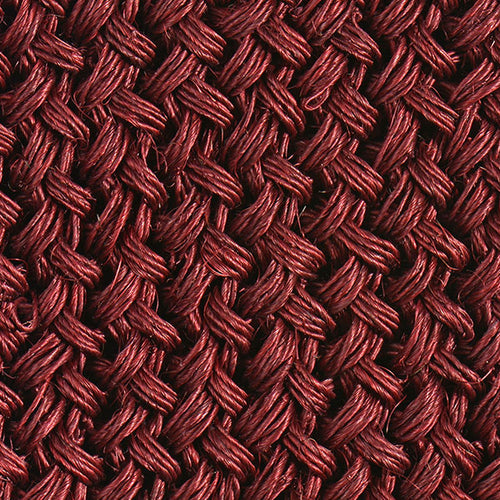
10277 rubin
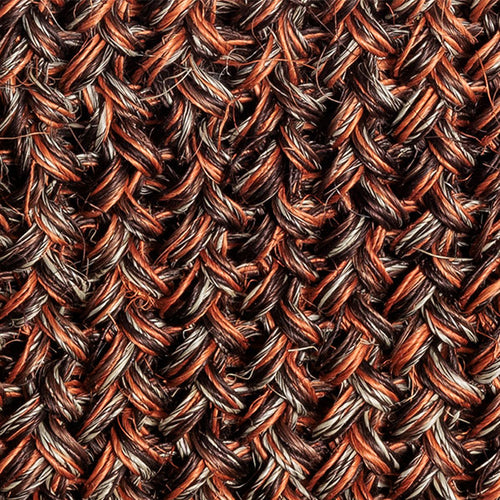
10283 terracotta meliert
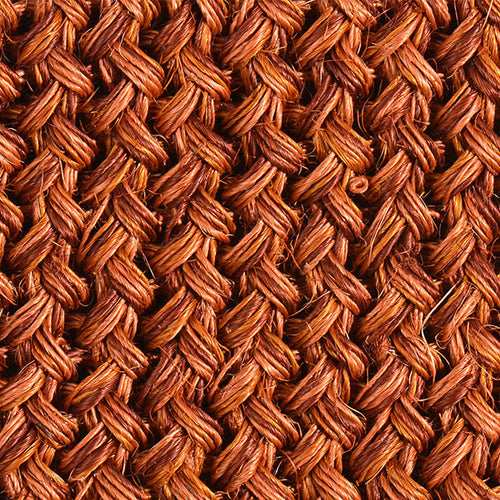
10288 kupfer meliert
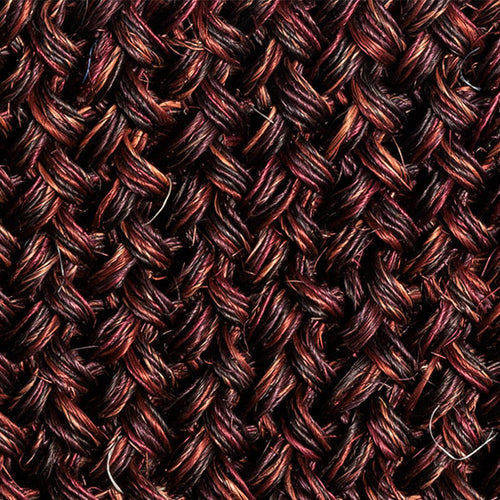
10289 rostrot meliert
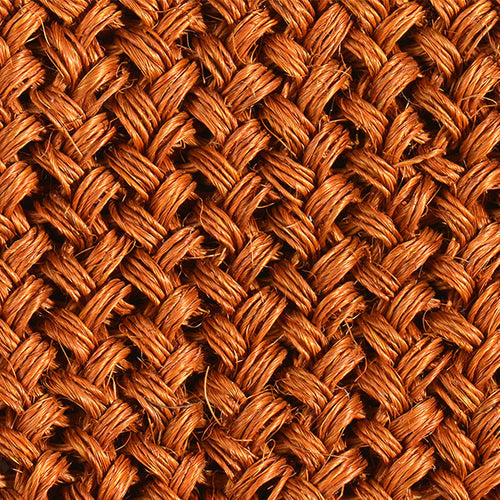
10290 honig
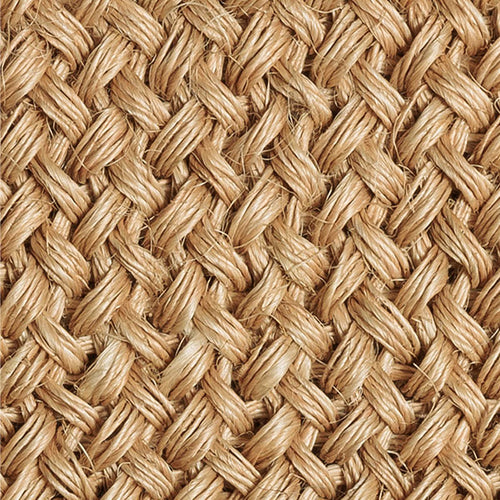
10320 nude
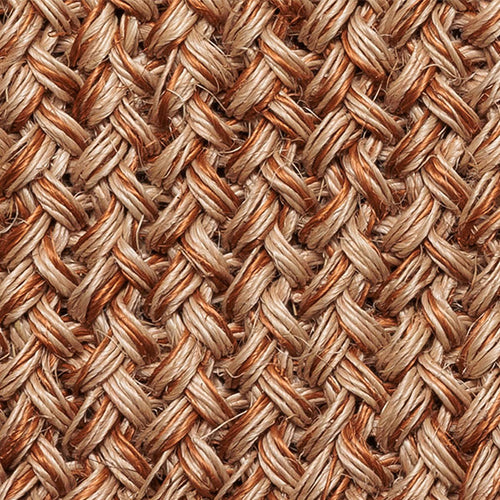
10321 rosegold meliert
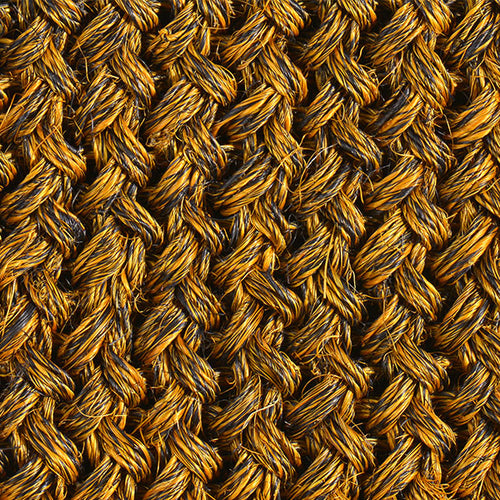
20453 gold meliert
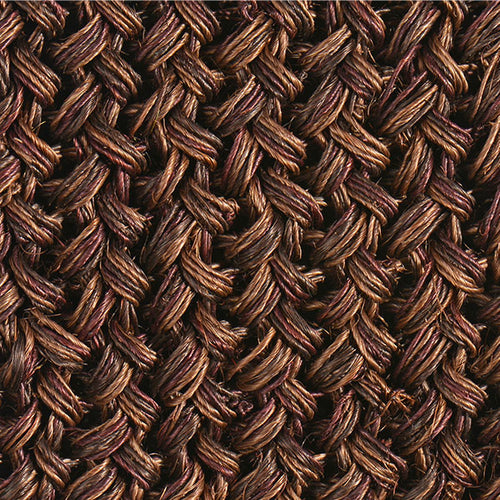
20454 rubinbraun meliert
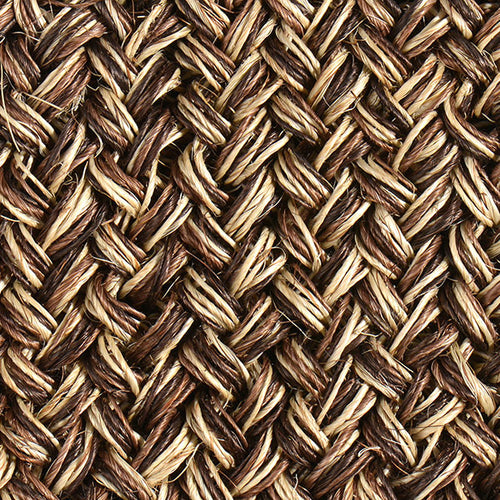
20457 braunbeige meliert
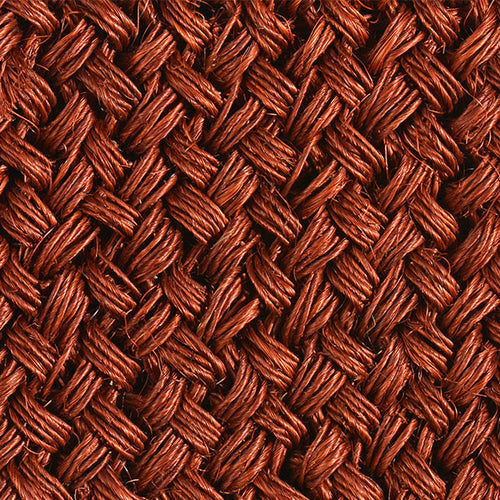
20458 kupfer
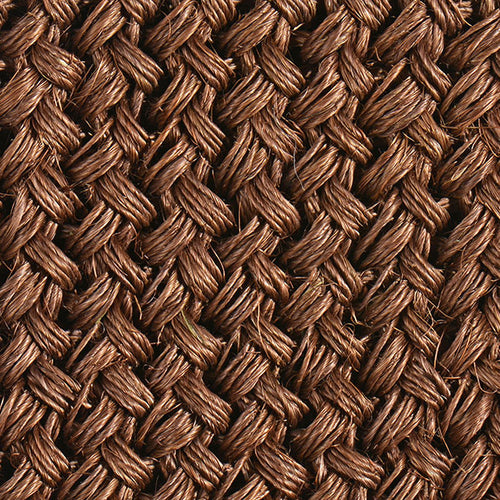
20462 nougat
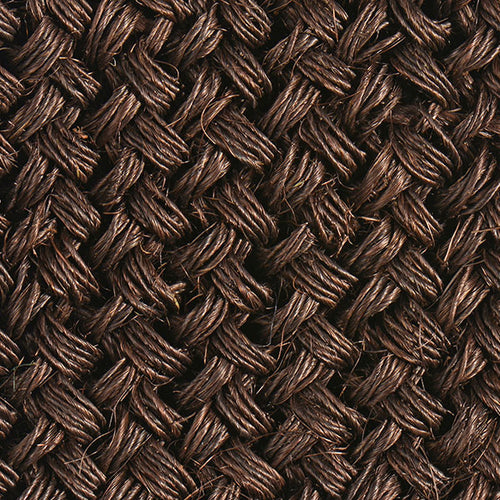
20470 dunkelbraun
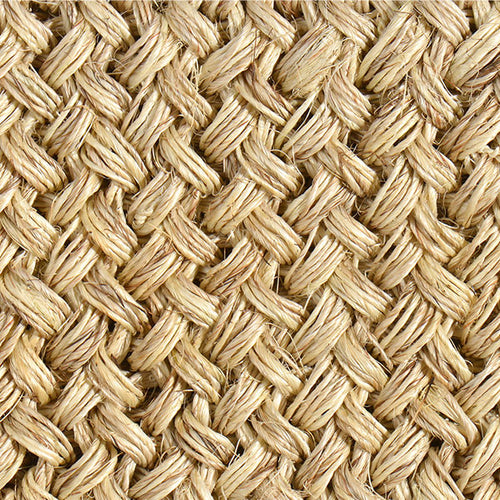
20472 beige meliert
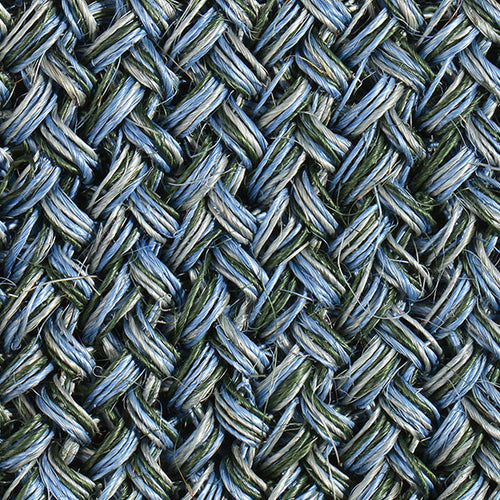
30261 blaugrün meliert
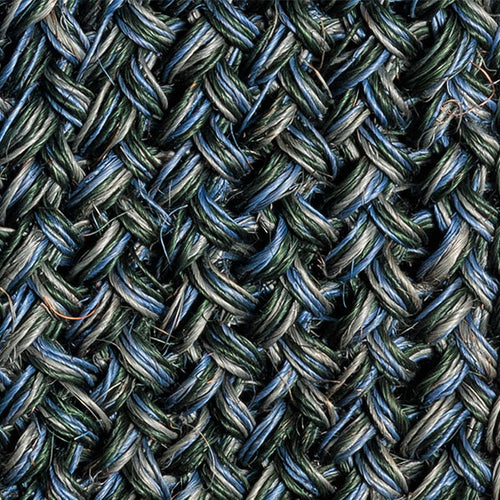
30263 azurblau meliert
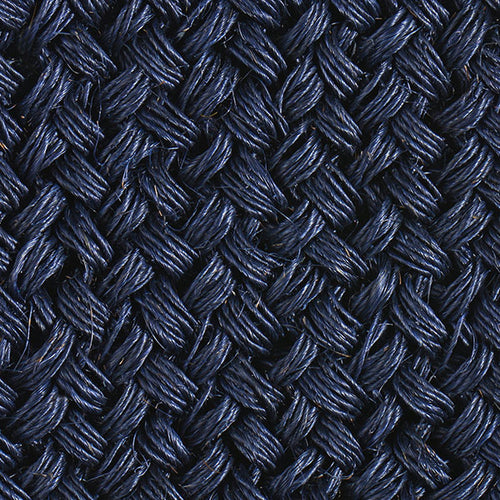
30266 dunkelblau
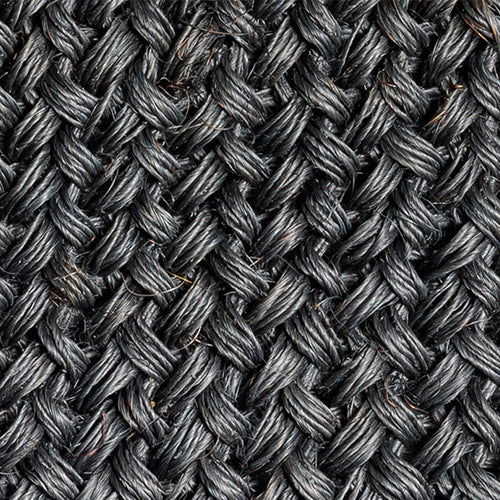
30282 pastellblau
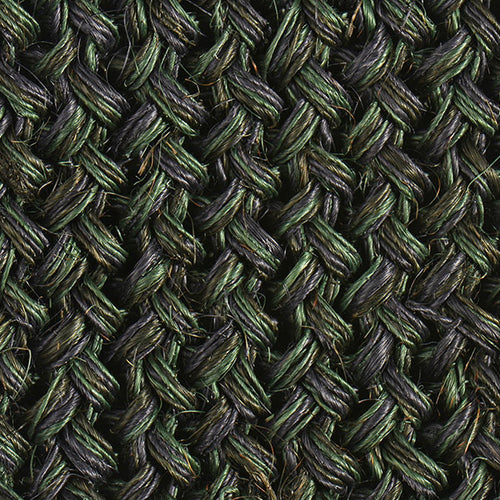
40187 schwarzgrün meliert
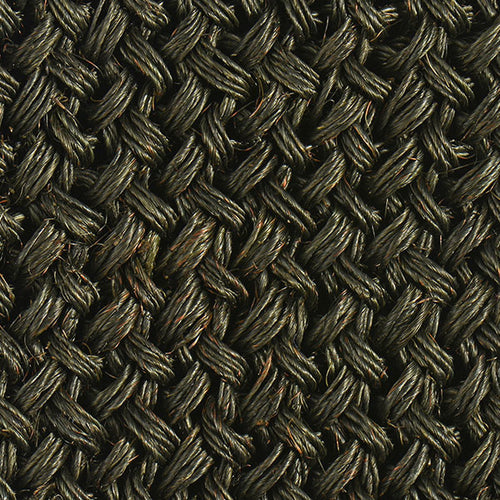
40193 olive
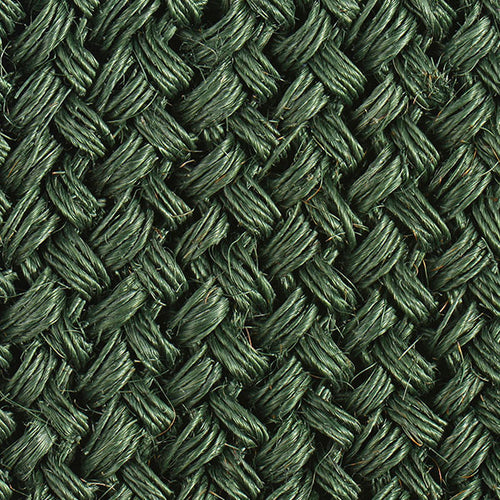
40199 dunkelgrün
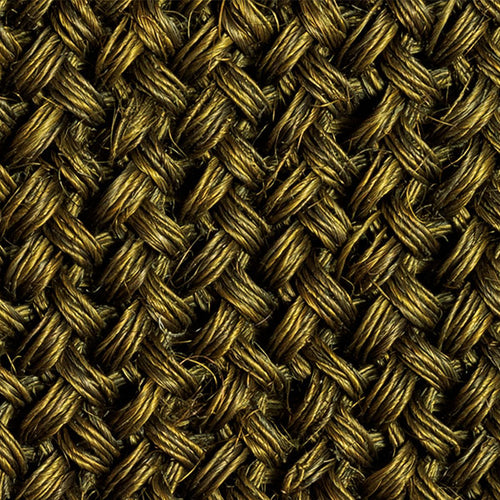
40221 hellolive
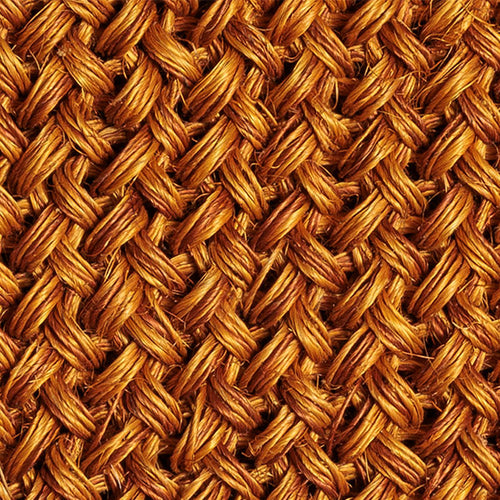
50085 gold
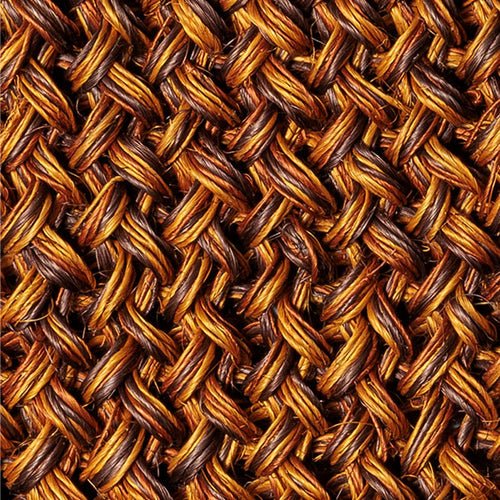
50086 dunkelgold meliert
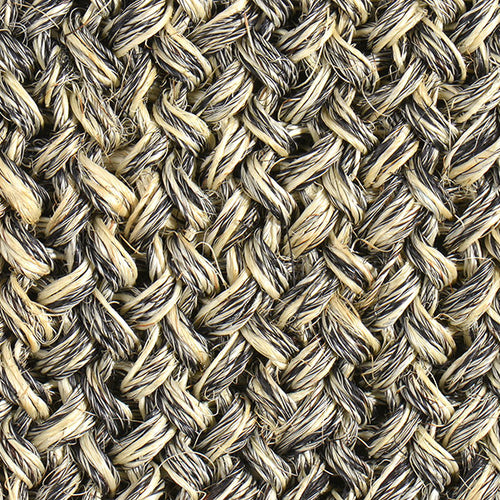
60349 hellgrau meliert
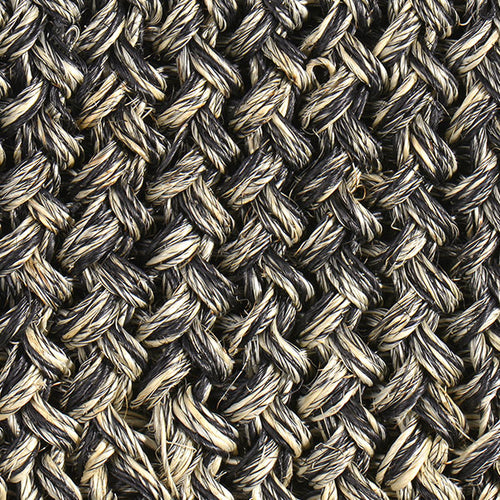
60352 dunkelgrau meliert
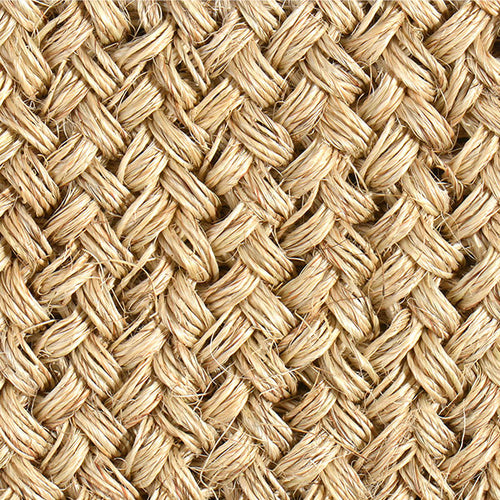
60356 beige
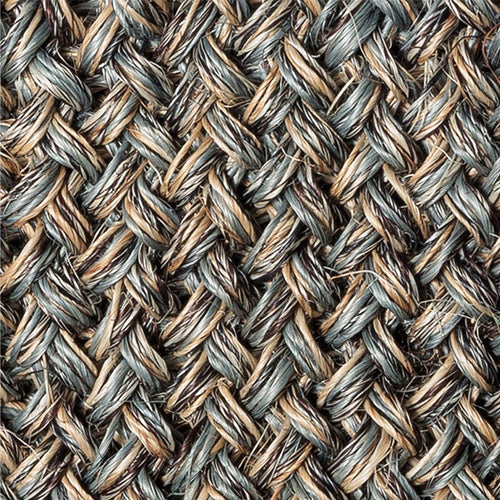
60362 beigeblau meliert
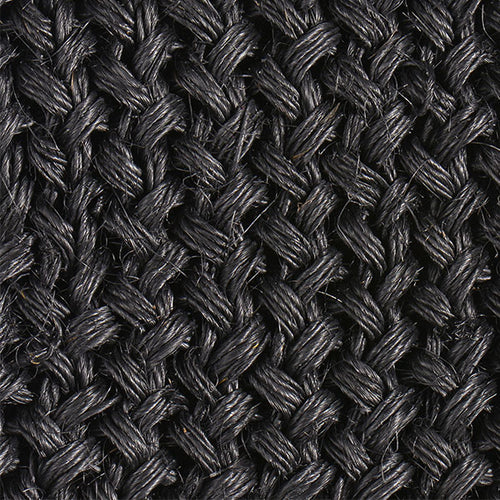
70062 schwarz
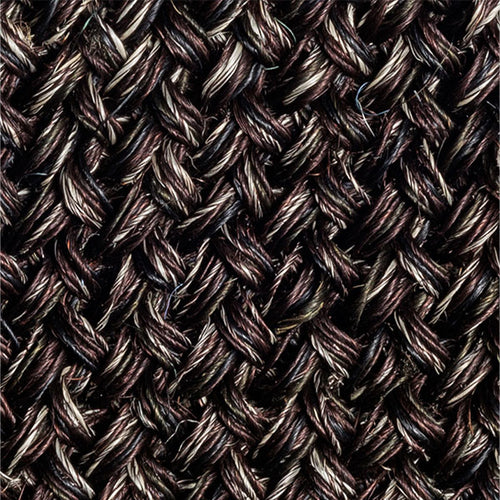
70067 slate meliert
Configure rug
Maglia Classico
Configure a custom version
Configure a custom version
Product details
Nutzschicht
fique
Zusammensetzung
100% Stay
Rücken
without
Abgepasste Teppiche
freely selectable (tolerance +/- 5%)
Einsatzgewicht
3600 g/m²
Totalgewicht
3600 g/m²
Gesamthöhe
14.0 mm
Oberflächenwiderstand
- Ω
Durchgangswiderstand
- Ω
Flammfestigkeit EN 13501 / DIN 4102
NPD
Flammfestigkeit Anforderung
No Performance Determined
Flammhemmend ausrüstbar
[]
origin: Colombia
Benefits:
Facts:
The cleaning instructions “Cleaning and care of MAGLIA rugs made from Fiqué” apply to this product.
MAGLIA is a knitted or crocheted rug made from Fiqué, a plant-based natural fibre. Its hand-crafted open structure gives each rug a lively and sculptural appearance. MAGLIA is intended for private residential use and should be cared for with particular atte...
For the complete cleaning instructions

