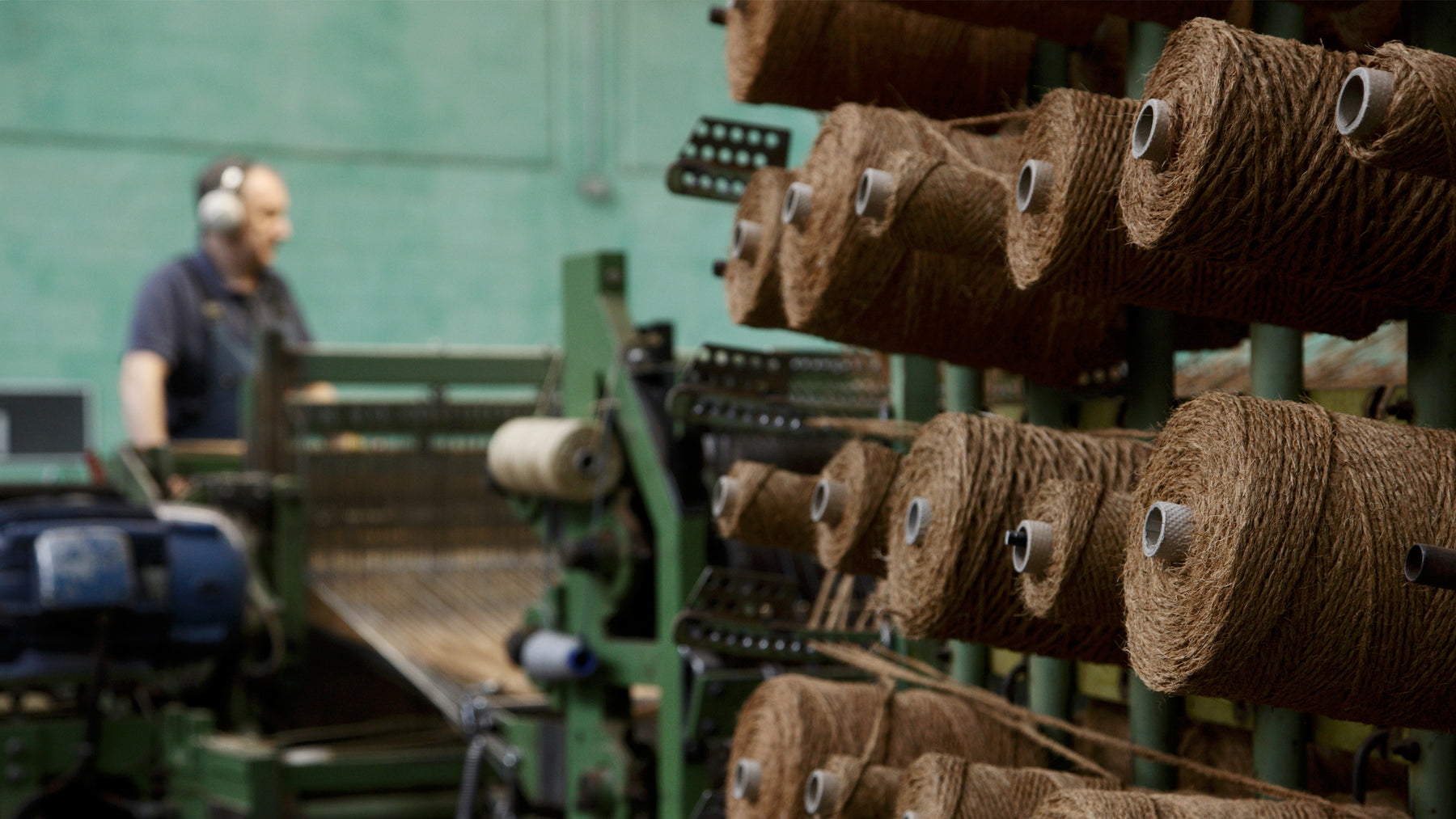
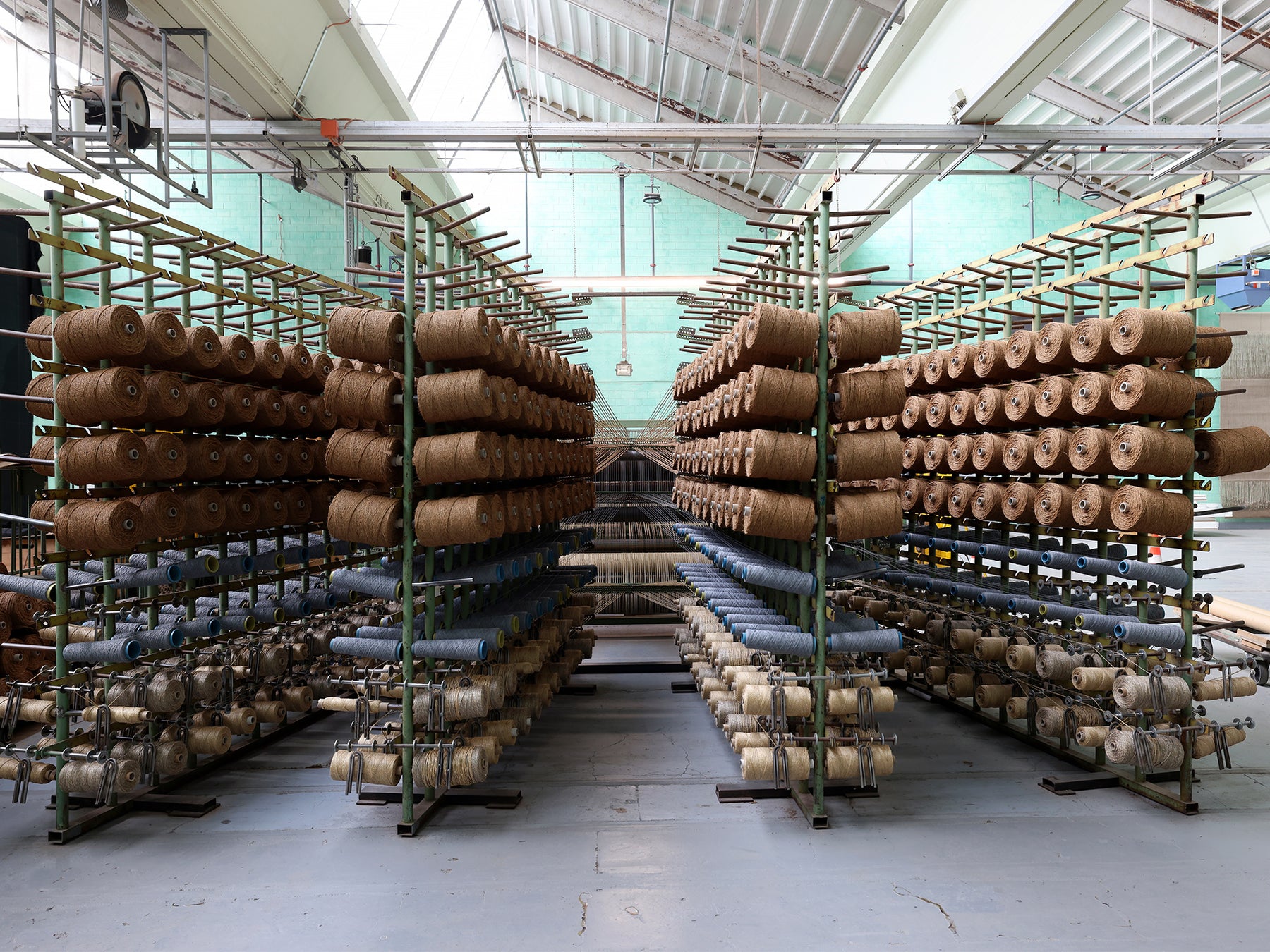
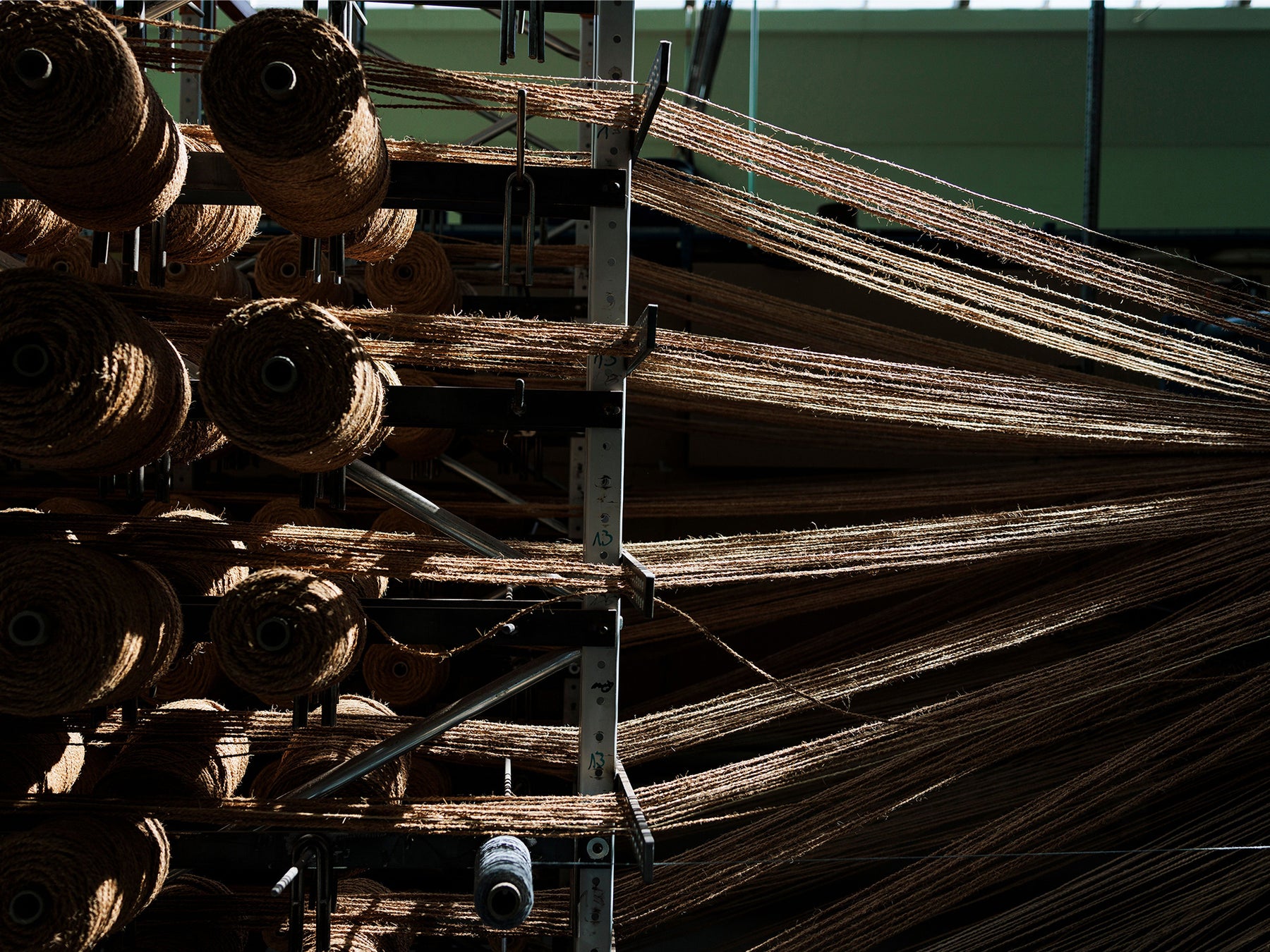
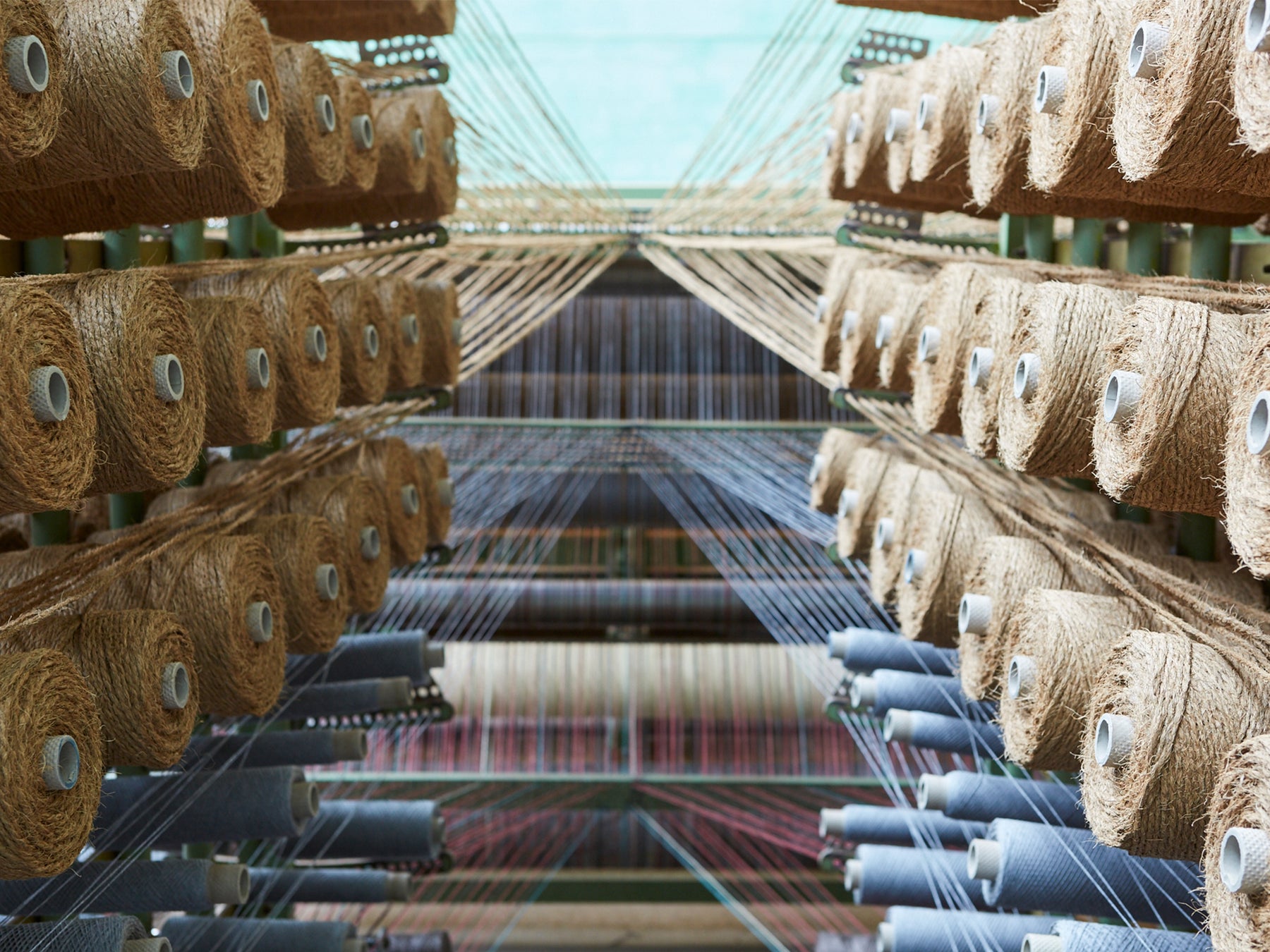
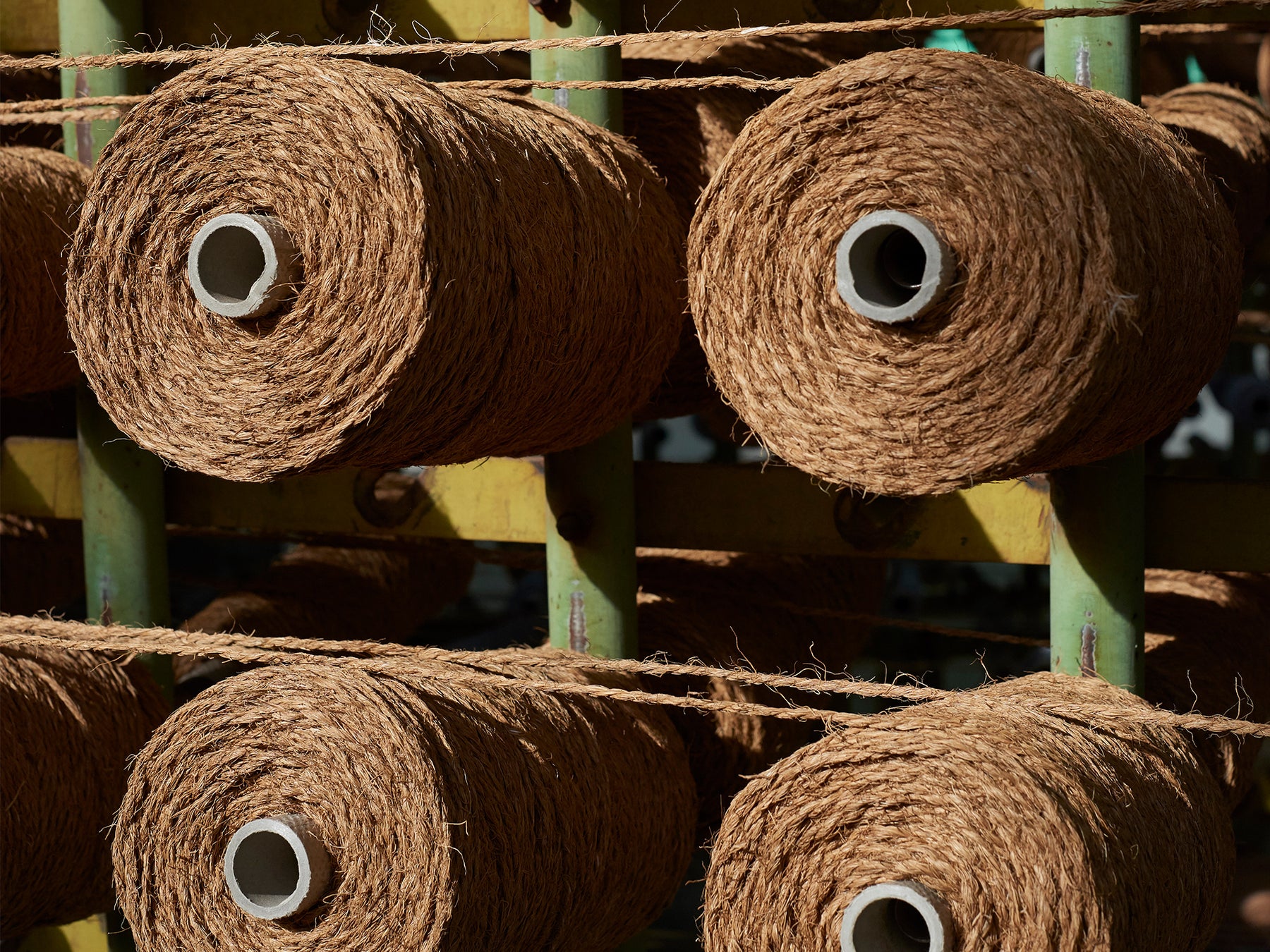
Ruckstuhl Weberei – Kokosgarn auf Spulen an der Webmaschine mit Mitarbeitendem im Hintergrund

D.N.A.

Maschine 21 - Precision Across Generations

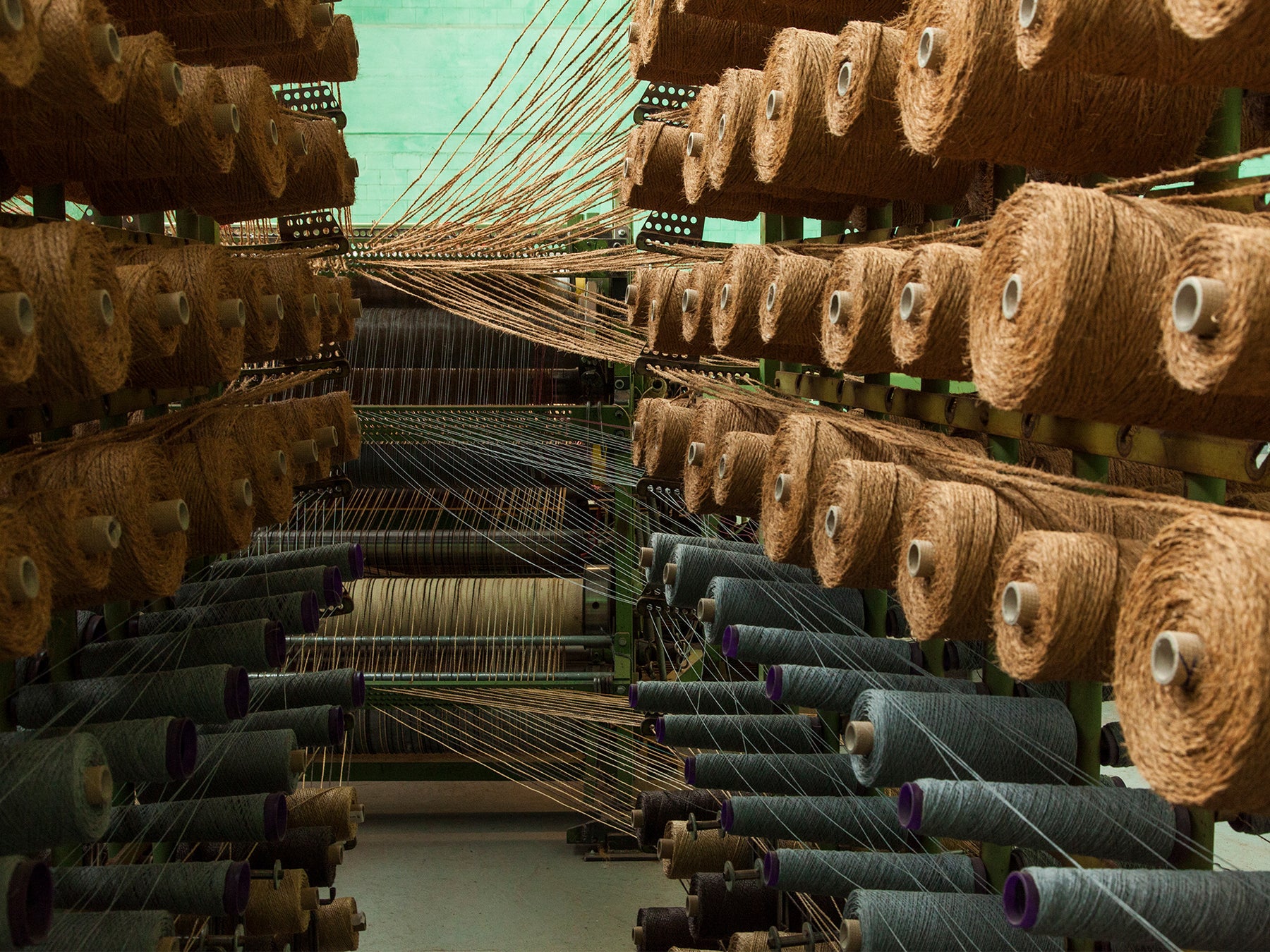
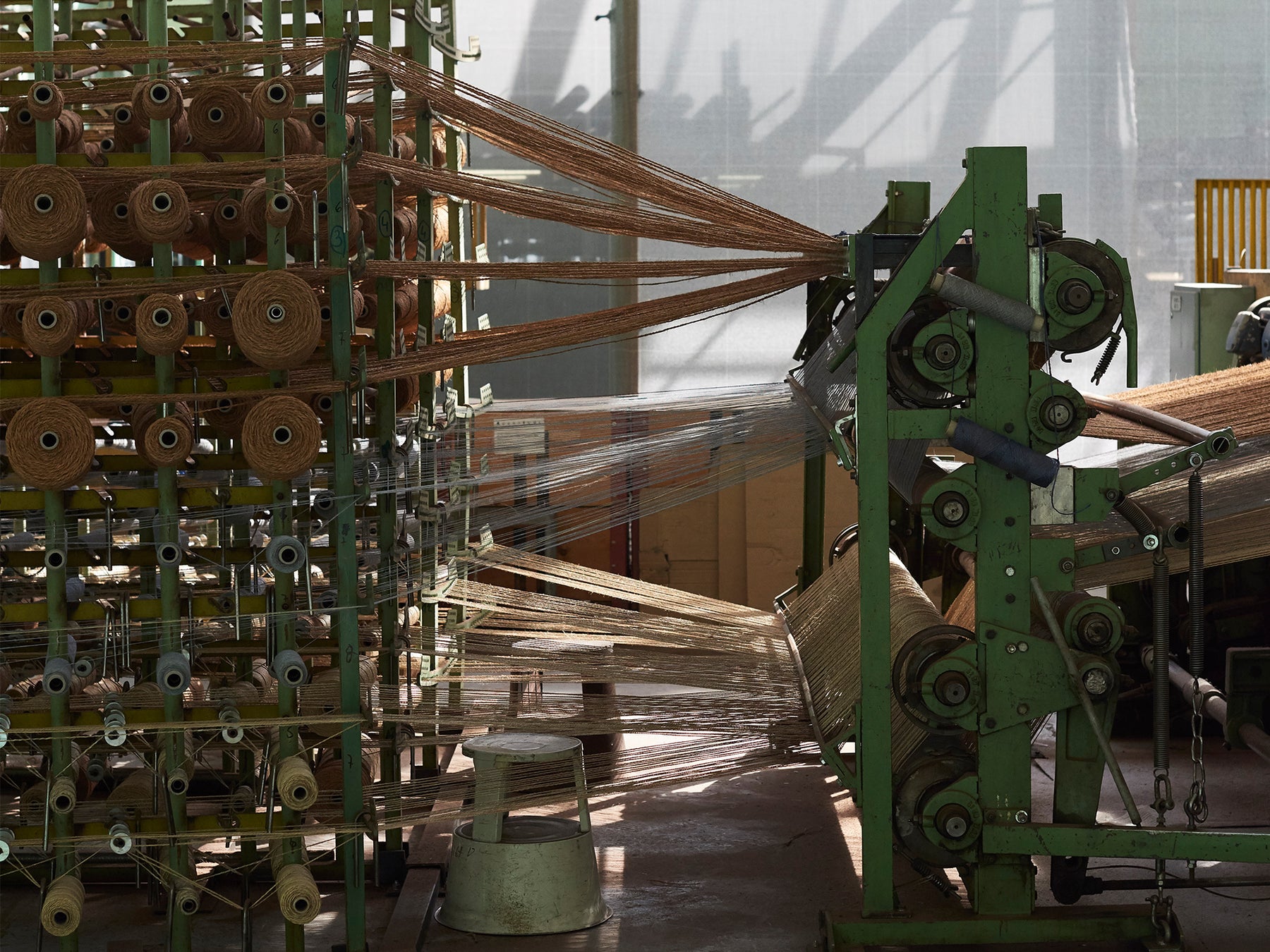
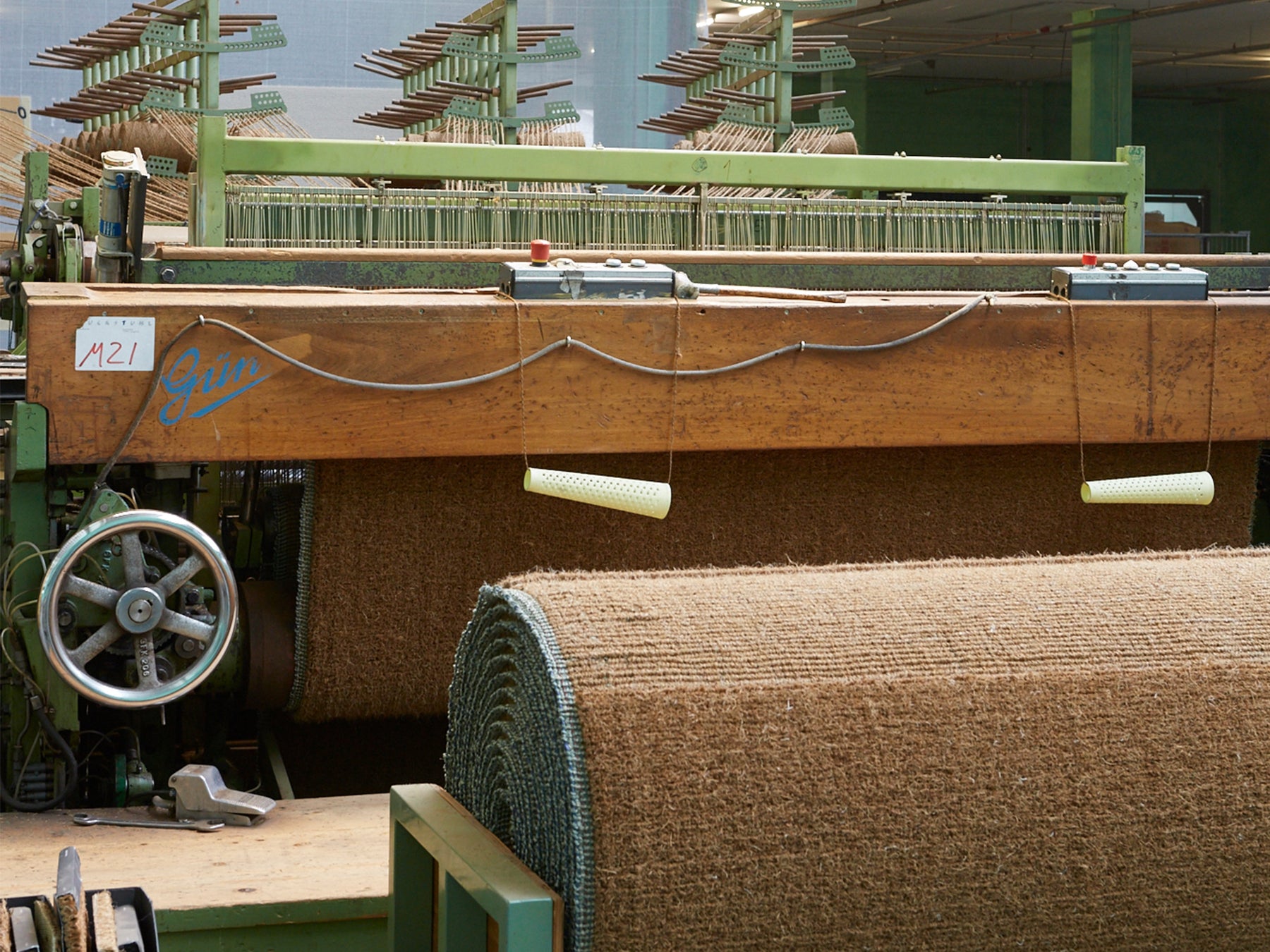
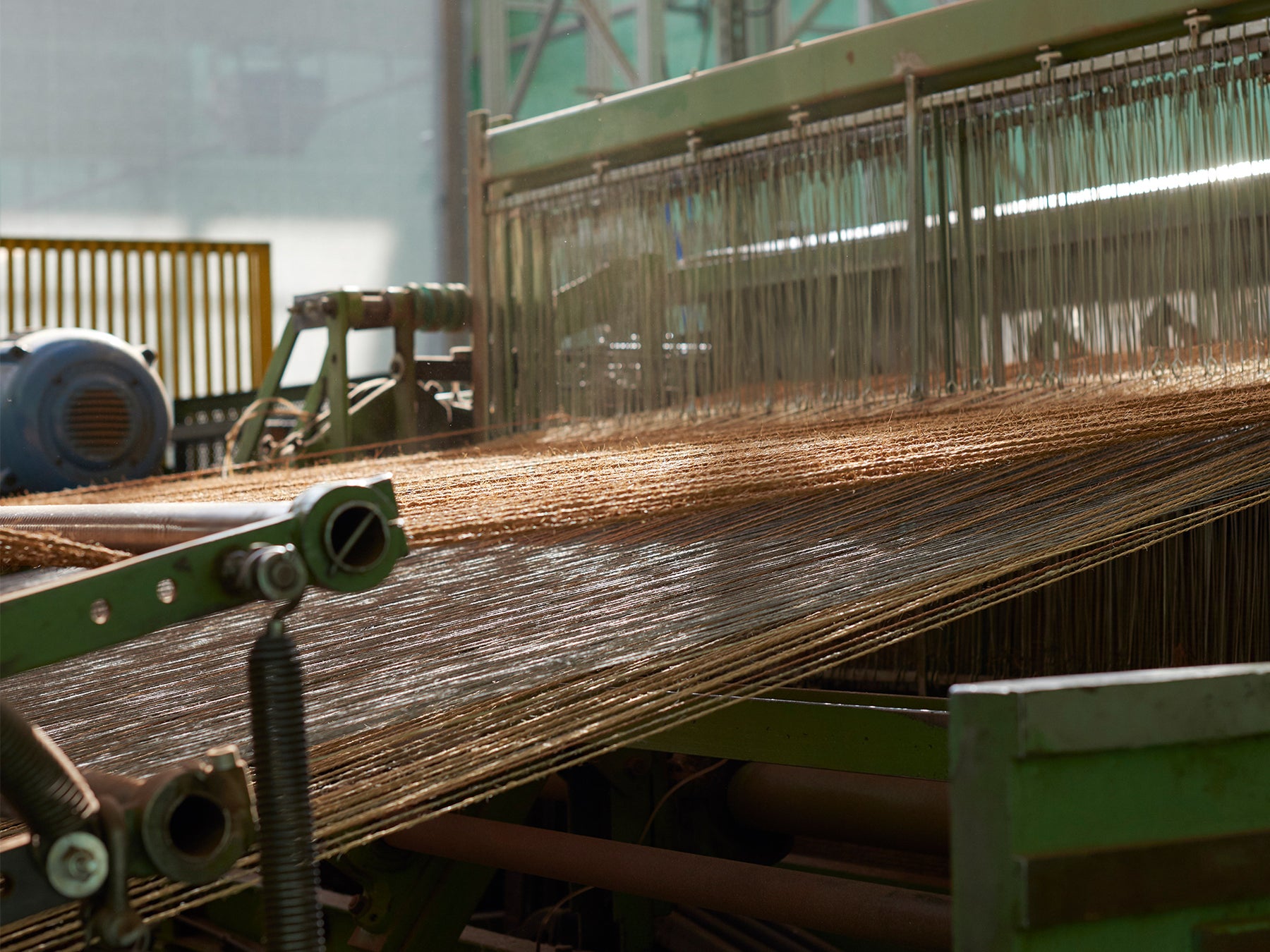
In a time when production facilities are often replaced after just a few years, a weaving machine that has been part of the manufacturing process for decades is still operating at the Ruckstuhl factory. Internally, it has a straightforward name: Machine 21. However, for the production of coconut rugs and mats, it is much more than just a production facility. It is a tool that embodies experience, material knowledge, and manufacturing culture. The machine was built in the 1960s by the German machine manufacturer Günne.
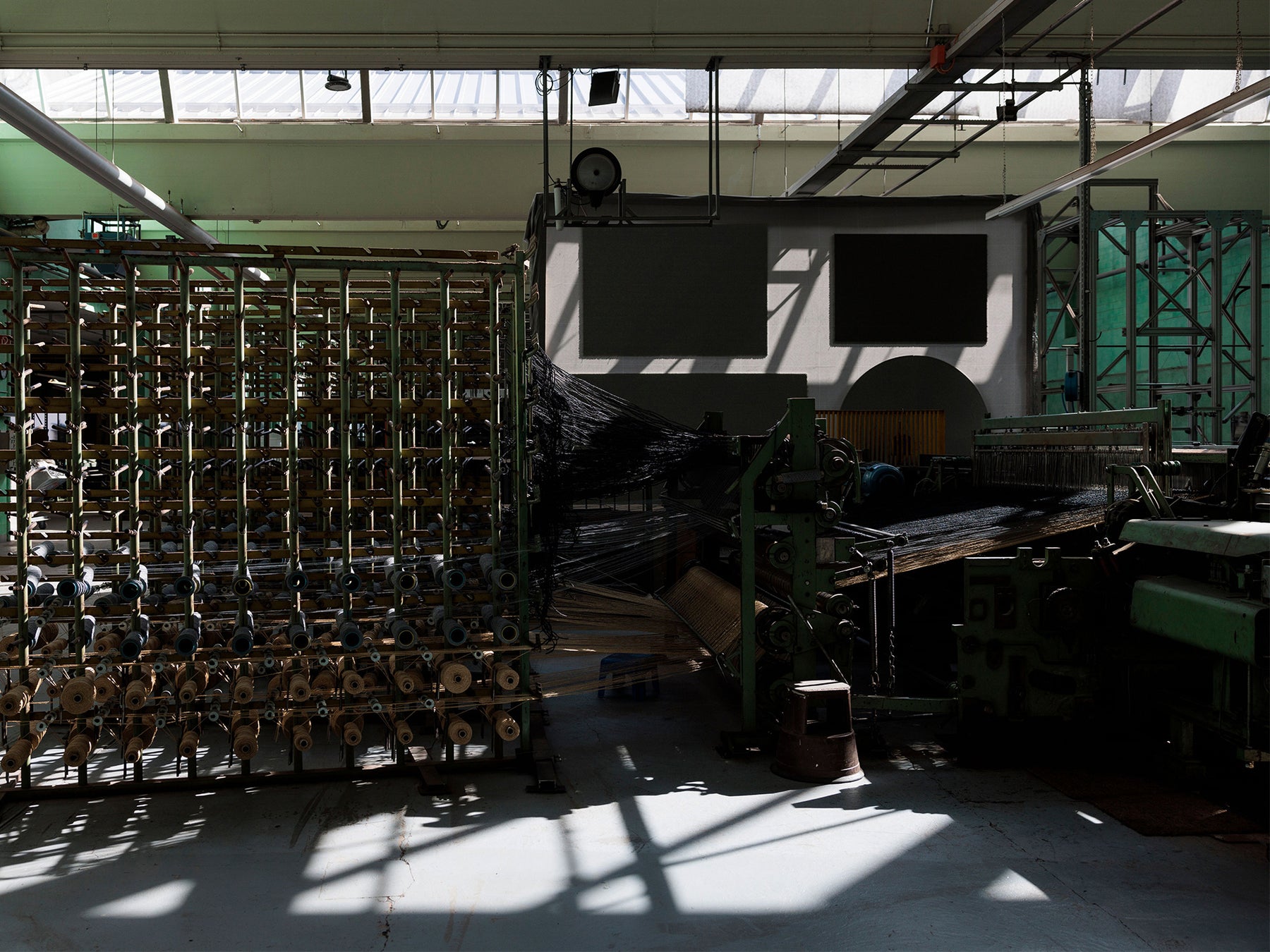
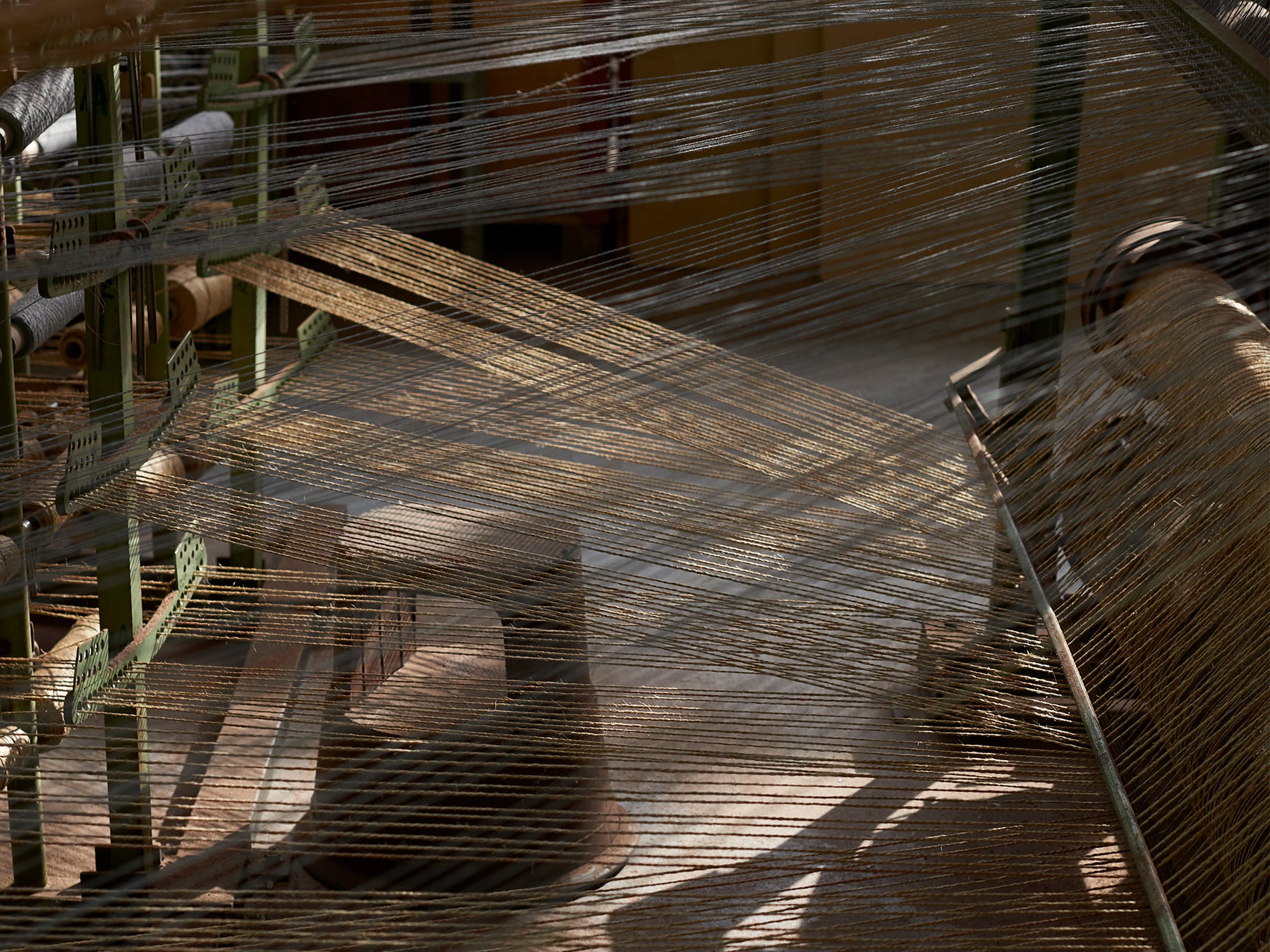
Ruckstuhl Teppichmanufaktur in Langenthal – Weberei

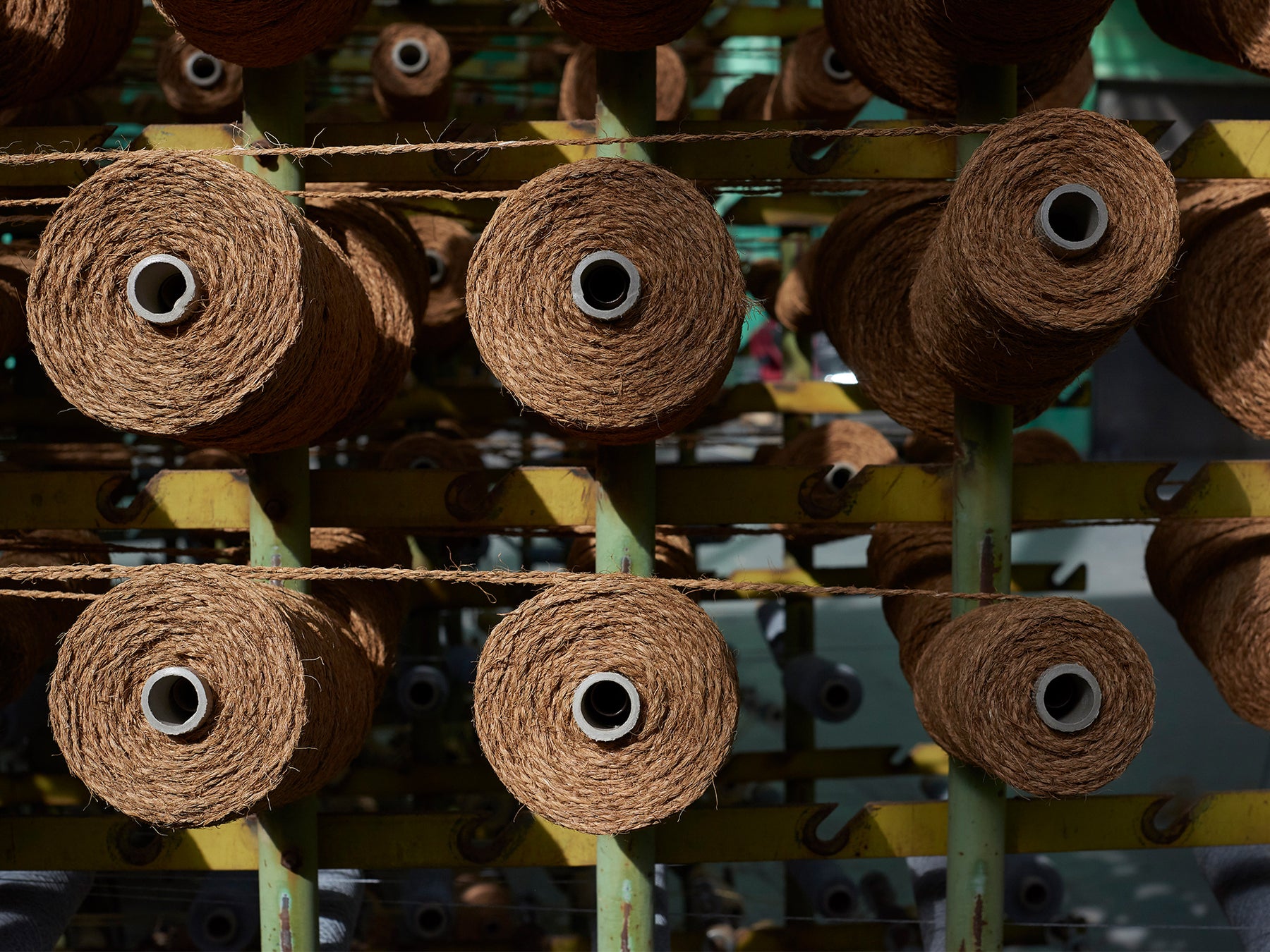
What makes Machine 21 special is not its age, but its suitability for a material that only partially conforms to industrial standardization. Natural fibers have different strengths, tensions, and structures. They respond to climate, origin, and processing. Their peculiarities cannot be fully standardized. Precisely for this reason, their processing requires attention, experience, and a technique that allows for these special characteristics.

The quality of a woven natural fiber carpet is not created solely by the machine's construction. It arises from the interplay of material, settings, and craftsmanship control. Decades of accumulated knowledge flow into every adjustment – from yarn tension to fabric structure.

Over the years, maintaining the system itself has become a form of expertise. The original manufacturer no longer exists. Spare parts are not available and must be reconstructed or newly manufactured based on historical templates. Together with specialized partners, components are created that enable the continued operation of the system. Even weaving shuttles, weaving rods, and other wear parts are now sometimes reproduced specifically.

Machine 21 thus exemplifies a different approach to industrial production. The focus is not on the regular replacement of technology, but on the long-term care of a tool that has proven its performance over decades. The machine is preserved not because it is old, but because its results still impress today.

Tahiti and Porta from Ruckstuhl are still produced on this loom. It combines industrial manufacturing with artisanal control and makes it clear that innovation does not always lie in replacement. Sometimes it shows itself in the conscious continuation of what has proven itself over generations.

Tahiti and Porta Ruckstuhl fabrics are still produced on this loom. It combines industrial manufacturing with artisanal control and makes it clear that innovation does not always mean replacement. Sometimes it is shown in the conscious continuation of what has proven itself over generations.