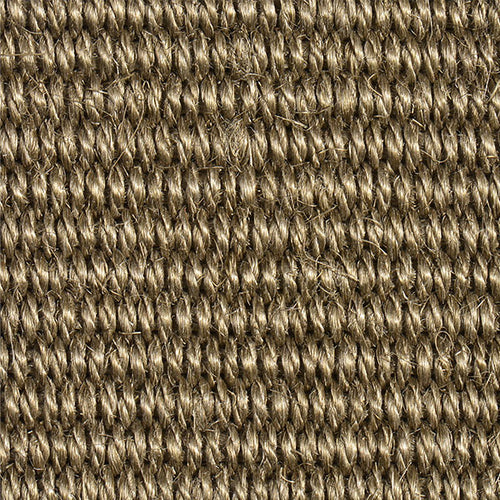
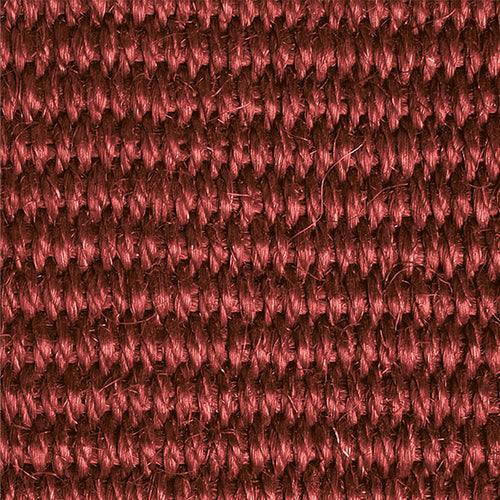
Ruckstuhl Referenzprojekt Oberdiessbach Neues Schloss – Teppich MANILA in 40161, als Treppenläufer
Ruckstuhl Sisalteppich MANILA in 10213 Imperialrot – Läufer Silhouette
Ruckstuhl Sisalteppich MANILA in 40161 Schilfgrün – im Ankleidezimmer
Ruckstuhl Sisalteppich MANILA in 40161 Schilfgrün – im Korridor
Ruckstuhl Sisalteppich MANILA in 20155 Natur – als Teppichboden, Ausschnitt
Ruckstuhl Sisalteppich MANILA in 40161 Schilfgrün – als Teppichboden, in einer Bibliothek
Ruckstuhl Sisalteppich MANILA in 440161 Schilfgrün – als Teppichboden, in einer Bibliothek
Ruckstuhl Einfassung Leinenband in 20328 Beige am Teppich MANILA
Ruckstuhl Sisalteppich MANILA in 20155 Natur – Detailansicht
Ruckstuhl Referenzprojekt Oberdiessbach Neues Schloss – Teppich MANILA in 40161, als Treppenläufer, oberer Bereich
Ruckstuhl Referenzprojekt Oberdiessbach Neues Schloss – Teppich MANILA in 40161, als Treppenläufer
Ruckstuhl Referenzprojekt Zürich Landesmuseum Bibliothek – Teppich MANILA in 40161 Schilfgrün, Stehtische
Ruckstuhl Referenzprojekt Zürich Landesmuseum Bibliothek – Teppich MANILA in 40161 Schilfgrün, mit Personen

Manila

Ruckstuhl In-house Design 1967

Since 1967, MANILA has stood for a sophisticated carpet tradition and timeless materiality. Made from sisal fibre in a classic, durable rib weave, Manila is one of those products that asserts itself not through change, but through consistency. Some qualities grow stronger precisely because they remain true to their original form.

The precise, linear structure gives Manila a calm, subtle and prestigious presence. Large areas are where it creates the elegance demanded by high-quality architecture — understated, refined and enduring.

A high weight per square metre ensures exceptional durability, dimensional stability and longevity. This makes MANILA suitable for both sophisticated living spaces and prestigious commercial interiors such as hotels, boutiques, executive suites or law offices. Manila is particularly often used in prestigious buildings — both as wall-to-wall carpet and as a stair runner, where its precise rib structure, durability and subtle appearance have been appreciated for decades.

MANILA has been copied many times. The original, however, endures.
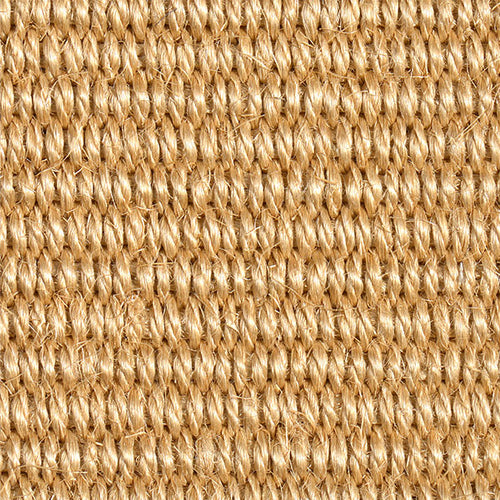
Colorits
20155 natur
20155 natur
40161 schilfgrün
40161 schilfgrün
10213 imperialrot
10213 imperialrot
Configure rug
Manila
Configure a custom version version
Product details
Wear layer
sisal
Composition
100% sisal
Back of a rug
CottonBac
Roll width
200 cm
Roll length
30.0 lfm
Fitted rugs
freely selectable
Application weight
2600 g/m²
Total weight
3500 g/m²
Overall height
8.0 mm
Thermal resistance
0.17 (m²K)/W
Surface resistance
- Ω
Through-resistance
- Ω
Fire resistance EN 13501 / DIN 4102
NPD
Flame-retardancy requirement
No Performance Determined
Can be treated for flame retardancy
[]
  • public space
  • retail area
  • corridor
  • conference room
  • restaurant
  • lounge
  • hotel room
  • dining area
  • children’s room
  • bedroom
  • living room
  • Stairs
  • Ruckstuhl Icon
  • Allergies
  • Plant-based fibers | Vegan

origin: Tanzania and Kenya

sisal belongs to the so-called hard fibers. Only a small proportion of fibers can be extracted from each leaf—a labor-intensive process that to this day relies heavily on handwork. The Maya and Aztecs already used sisal for sturdy textiles and ropes. The fiber is still known for its exceptional durability, precise structure, and subtle play of light.Ruckstuhl processes selected sisal qualities from Tanzania, Madagascar, and Kenya. The yarn is spun and dyed in Europe.

Naturally antistatic, resilient, and durable, the material combines technical robustness with understated elegance—an uncommon pairing. For decades, the same fiber has also been used in ropes, geotextiles, and traditional dartboards—anywhere strength and durability are essential. Over the years, sisal develops the kind of patina that only honest materials can produce: lively, authentic, and beautiful in use.

Advantages:

  • sisal is a natural and renewable raw material.
  • sisal balances the indoor climate, as it can absorb up to 420 g of moisture per m2 (20% of its own weight).
  • sisal is cooling in summer and warming in winter, making it ideally suited to the seasons.
  • sisal is resistant to abrasion.
  • sisal is electrostatically neutral.

Facts:

  • The sisal agave lives for round 7 to 10 years and produces about 200 to 250 usable leaves during this time.
  • A single leaf yields only round 4% actual fibre — the rest consists mainly of water and plant material.
  • A sisal plant thrives in regions with temperatures above 25 °C and is considered exceptionally drought-resistant.
  • sisal accounts for round 2% of global plant fibre production.
  • Global production in 2020 was round 210,000 tonnes of sisal fibre. The main producers are Brazil, Tanzania, Kenya and Madagascar.
  • Sisal fibres have exceptionally high tensile strength. Depending on quality, they can reach values of up to 242 MPa, making them some of the most robust plant-based natural fibres of all.
  • Because of its resistance to tension, abrasion and salt water, sisal was used for decades in ship ropes, agricultural twine and industrial applications.
  • Traditional dartboards are still made from sisal fibres today, as the surface closes up again after the darts are removed.
  • Maya and Aztec cultures already used agave fibres for textiles, sandals, ropes and everyday objects — long before sisal became a globally traded material in the 19th century.

Designs take shape where material knowledge meets spatial thinking. They express a design culture shaped not primarily by a single author, but by the collective knowledge of our workshop.

Since 1881, Ruckstuhl has developed rugs at the intersection of architecture, craftsmanship, and technological innovation. Some products arise from functional requirements, others from a deep understanding of natural fibres, construction, or manufacturing processes. They share a precise approach: durable, true to their materials, and free from fleeting trends.

Ruckstuhl In-house Design stands for rugs conceived in the workshop — developed through experience, refined over time, and made for generations.

The cleaning instructions “Cleaning and caring for sisal rugs” apply to this product.

sisal is a robust plant-based natural fibre with a distinct, lively texture. The fibre is particularly suitable for hard-wearing, flat-woven rugs and floor coverings. However, its durability depends on regular dry maintenance cleaning and careful handling o...

To the complete cleaning guide

Recently Viewed

MADE TO MEASURE
Custom-made down to the last detail

MADE TO MEASURE

From custom sizes, shapes and edgings to the development of completely new rugs: Ruckstuhl translates architecture, materiality and personal ideas into one-of-a-kind textiles – precisely crafted in the workshop in Langenthal.