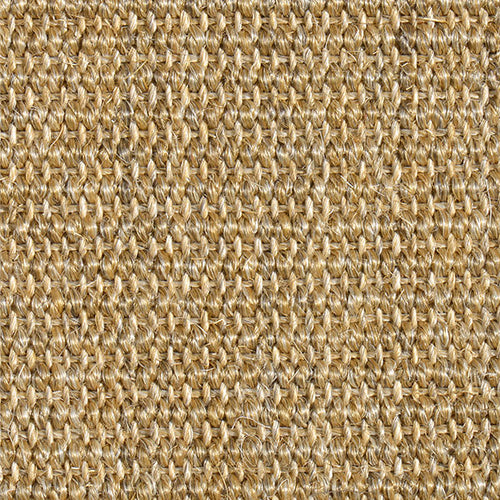
Ruckstuhl Sisalteppich JAIPOLINO in 20300 Natur-meliert – Produktansicht
Ruckstuhl Einfassung Volante in 20455 am Teppich JAIPOLINO in 20300 – Detail der Teppichstruktur
Ruckstuhl Sisalteppich JAIPOLINO in 20300 Natur-meliert – Produktansicht
Ruckstuhl Sisalteppich JAIPOLINO in 20263 Natur – Villa moderner Innenraum
Ruckstuhl Sisalteppich JAIPOLINO in 70034 Schwarz – Dhaka
Ruckstuhl Sisalteppich JAIPOLINO in 70034 Schwarz – Detailansicht
Ruckstuhl Einfassung Wollfilz in 70030 Schwarz am Teppich JAIPOLINO
Ruckstuhl Einfassung Wollfilz in 160270 Grau am Teppich JAIPOLINO
Ruckstuhl Einfassung Volante in 20455 am Teppich JAIPOLINO in 20300
Ruckstuhl Einfassung Volante in 20455 am Teppich JAIPOLINO in 20300 – Detail der Teppichstruktur
Ruckstuhl Einfassung Volante in 20455 am Teppich JAIPOLINO in 20300 – Wohnung
Ruckstuhl Work Design
Coloring rug yarns
20300 natur meliert
20300 natur meliert
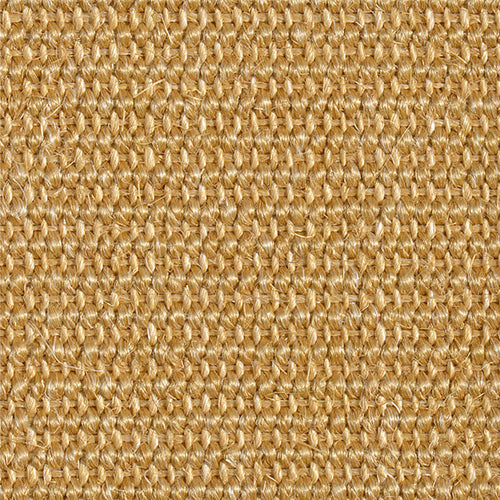
20263 natur
20263 natur
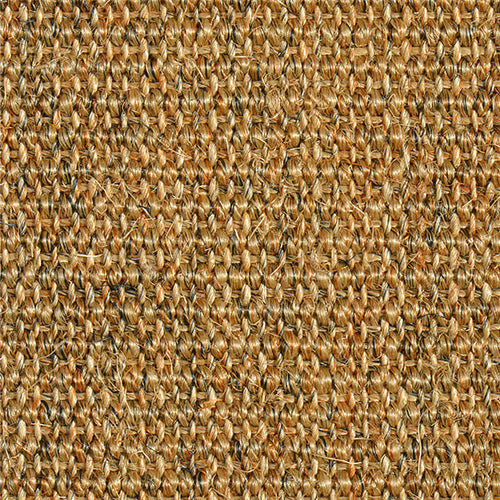
20293 cognac
20293 cognac
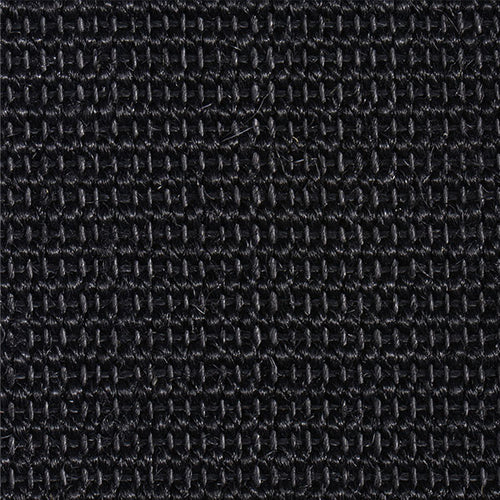
70034 schwarz
70034 schwarz
Configure rug
Jaipolino
Individuelle Ausführung konfigurieren
Product details
Nutzschicht
sisal
Zusammensetzung
100% Sisal
Rücken
CottonBac
Rollenbreite
400 cm
Rollenlänge
25.0 lfm
Abgepasste Teppiche
freely selectable
Einsatzgewicht
1500 g/m²
Totalgewicht
2450 g/m²
Gesamthöhe
6.0 mm
Wärmedurchlasswiderstand
0.17 (m²K)/W
Oberflächenwiderstand
- Ω
Durchgangswiderstand
- Ω
Flammfestigkeit EN 13501 / DIN 4102
NPD
Flammfestigkeit Anforderung
No Performance Determined
Flammhemmend ausrüstbar
[]
  • Public space
  • Sales area
  • Corridor
  • Conference room
  • Restaurant
  • Lounge
  • Hotel room
  • Dining area
  • Children's room
  • Bedroom
  • Living room
  • Danish Design
  • Allergies
  • Plant Fibers | Vegan

origin: Tanzania and Kenya

Sisal belongs to the so-called hard fibers. Only a small portion of fibers is extracted from each leaf—a labor-intensive process that is still largely done by hand today. The Maya and Aztecs already used sisal for durable fabrics and ropes. To this day, the fiber is known for its exceptional durability, precise structure, and subtle play of light. Ruckstuhl processes selected sisal qualities from Tanzania, Madagascar, and Kenya. The yarn is spun and dyed in Europe.

Naturally antistatic, resilient, and long-lasting, the material possesses that rare combination of technical robustness and quiet elegance. The same fiber has been used for decades in ropes, geotextiles, or traditional dartboards—anywhere durability and resilience are required. Over the years, sisal develops the patina that only honest materials produce: lively, authentic, and beautiful in use.

Benefits:

  • Sisal is a natural and renewable raw material.
  • Sisal balances the indoor climate as it can absorb up to 420 grams of moisture per m2 (20% of its own weight).
  • Sisal has a cooling effect in summer, a warming effect in winter, and is therefore ideally suited for all seasons.
  • Sisal is resistant to abrasion.
  • Sisal is electrostatically neutral.

Facts:

  • The sisal agave lives for about 7 to 10 years and produces around 200 to 250 usable leaves during this time.
  • Only about 4% of a single leaf consists of actual fiber — the rest is mainly water and plant material.
  • A sisal plant thrives in regions with temperatures above 25 °C and is considered exceptionally drought-resistant.
  • Sisal accounts for about 2% of global plant fiber production.
  • Worldwide production was around 210,000 tons of sisal fiber in 2020. The main producers are Brazil, Tanzania, Kenya, and Madagascar.
  • Sisal fibers have an exceptionally high tensile strength. Depending on quality, they can reach values of up to 242 MPa, making them some of the strongest natural plant fibers.
  • Due to their resistance to tension, abrasion, and saltwater, sisal fibers were used for decades in ship ropes, agricultural twine, and industrial applications.
  • Traditional dartboards are still made from sisal fibers today because the surface closes up again after the darts are pulled out.
  • Maya and Aztec cultures already used agave fibers for fabrics, sandals, ropes, and everyday objects — long before sisal became a globally traded material in the 19th century.
.

Workshop designs emerge where material knowledge meets spatial thinking. They express a design culture shaped not primarily by a single author, but by the collective knowledge of our workshop.

Since 1881, Ruckstuhl has developed rugs at the intersection of architecture, craftsmanship and technical innovation. Some products arise from functional requirements, others from a deep understanding of natural fibres, constructions or manufacturing processes. What they share is a precise approach: durable, true to the material and free from short-lived trends.

Ruckstuhl Werkentwurf stands for rugs conceived from within the workshop — developed through experience, refined over time and made for generations.

The cleaning instructions “Cleaning and Care of Sisal Rugs” apply to this product.

Sisal is a robust plant-based natural fibre with a clear, vibrant texture. The fibre is especially suitable for durable, flat-woven rugs and floor coverings. However, its longevity requires regular dry maintenance cleaning and careful handling of moisture.L...

For the complete cleaning instructions

Reference Projects

Selected projects in which this product was used.


Recently Viewed

Ruckstuhl Teppichmanufaktur in Langenthal – Konfektion
Customized down to the smallest detail

CUSTOM-MADE

From custom dimensions, shapes, and edgings to completely new carpet development: Ruckstuhl translates architecture, materiality, and personal ideas into unique textile pieces—crafted with precision in the workshop in Langenthal.