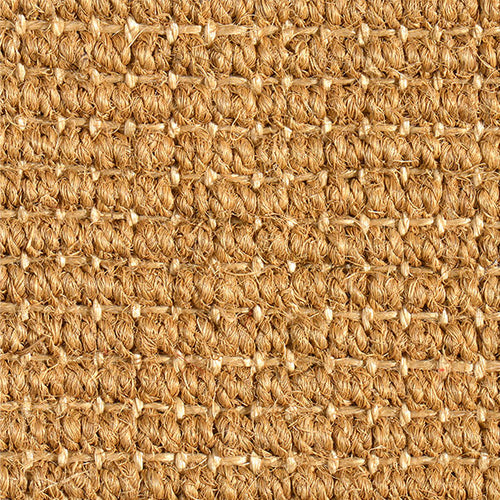
Ruckstuhl Kokosteppich CALICUT in 249 Natur – Makrodetail der Teppichoberfläche
Ruckstuhl Referenzprojekt Köln Museum für ostasiatische Kunst – Teppich CALICUT in 249 Natur, Statuen
Ruckstuhl Kokosteppich CALICUT in 249 Natur – Produktansicht
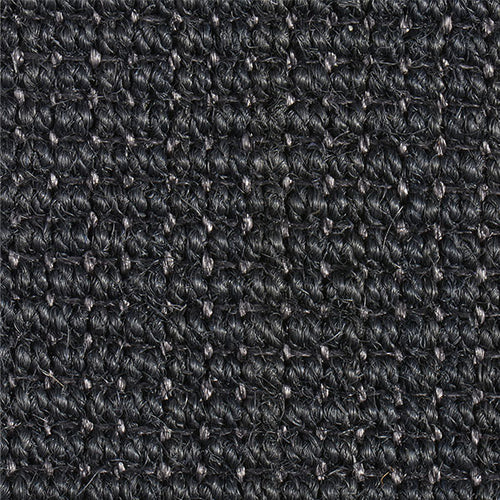
Ruckstuhl Kokosteppich CALICUT in 617 Indigo – Produktansicht
Ruckstuhl Kokosteppich CALICUT in 355 Saphirblau – Produktansicht
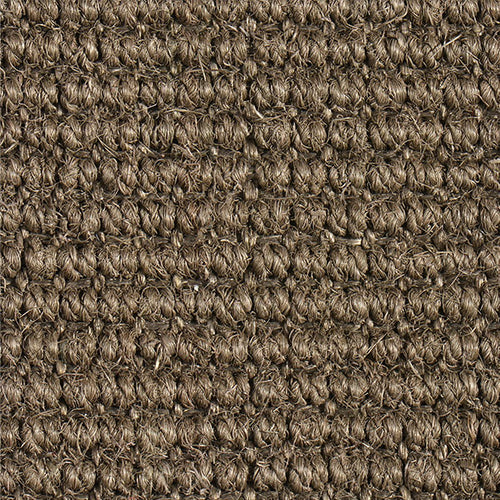
Ruckstuhl Kokosteppich CALICUT in 200 Havanna – Produktansicht
Ruckstuhl Referenzprojekt Köln Museum für ostasiatische Kunst – Teppich CALICUT in 249 Natur, Gesamtansicht
Ruckstuhl Referenzprojekt Köln Museum für ostasiatische Kunst – Teppich CALICUT in 249 Natur, Vitrinen
Ruckstuhl Referenzprojekt Köln Museum für ostasiatische Kunst – Teppich CALICUT in 249 Natur, Ecke
Ruckstuhl Referenzprojekt Köln Museum für ostasiatische Kunst – Teppich CALICUT in 249 Natur, Hocker
Ruckstuhl Kokosteppich CALICUT in 249 Natur – zwischen Sitzbänken
Ruckstuhl Kokosteppich CALICUT in 249 Natur – Gesamtansicht
Ruckstuhl Kokosteppich CALICUT in 249 Natur – Felsenkirche Raron Altar

Calicut Tiles

Ruckstuhl Work Design

Natural fibre in a grid. CALICUT TILES translates the characteristic structure of coconut fibre into a precise, modular tile system. The surface remains lively, the structure clear.

Robust. Replaceable. Timeless. A flooring as a constructive element.

Coloring rug yarns
250 gebleicht
250 gebleicht
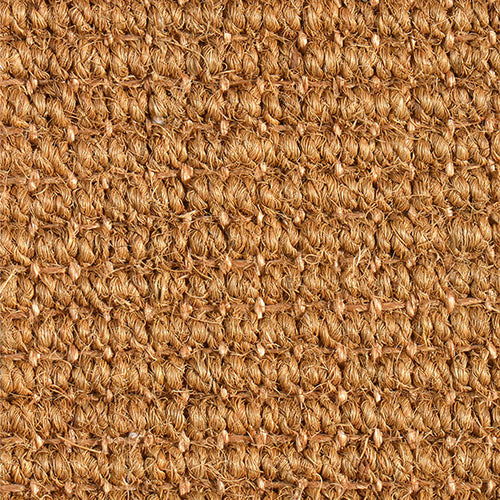
249 natur
249 natur
658 granit
658 granit
617 indigo
617 indigo
Configure rug

Calicut Tiles
Teppichfliesen konfigurieren

Product details
Nutzschicht
coir
Zusammensetzung
71% Coconut, 29% Sisal
Rücken
Heavy coating
Abgepasste Teppiche
50x50, 100x100 or on request
Einsatzgewicht
3050 g/m²
Totalgewicht
7900 g/m²
Gesamthöhe
12.0 mm
Oberflächenwiderstand
- Ω
Durchgangswiderstand
- Ω
Flammfestigkeit EN 13501 / DIN 4102
Cfl-s1 / B1
Flammfestigkeit Anforderung
flame-retardant
Flammhemmend ausrüstbar
[]
  • Public space
  • Sales area
  • Corridor
  • Conference room
  • Restaurant
  • Lounge
  • Coconut Coir Carpet Tiles
  • Ruckstuhl Icon
  • Allergies
  • Plant Fibers | Vegan

origin: Sri Lanka

Coconut fiber is obtained from the outer husk of the coconut—the protective shell of the fruit of the coconut palm (Cocos nucifera). Almost every part of the palm is used—from the wood and leaves to the fruit. The fiber itself comes from that resilient husk which protects the coconut from saltwater, sun, and long journeys across the sea. This natural protective function explains the material’s exceptional durability. Coconut is classified as a hard fiber and is among the most durable plant fibers worldwide.

The surface appears dry, clearly structured, and has a characteristic depth that develops further with use. The fiber extraction process is still largely manual today. The coconut husks are soaked in water for months to loosen the fibers. They are then dried, sorted, combed, and spun into yarn. The entire process from harvest to finished yarn can take up to two years. About 13,000 coconuts are needed to produce one ton of coconut yarn.

Especially carpets like Calicut have stood for decades as a combination of primitive natural fiber, technical durability, and precise Swiss craftsmanship. Coconut is antistatic, resilient, and dimensionally stable.

At the same time, the fiber develops over time the characteristic patina typical of natural materials, which gives them a lively appearance. Especially in heavily used spaces, coconut shows its special quality: durable, calm, and long-lasting.

Benefits:

  • Coconut has a regulating effect on the indoor climate, as it can absorb up to 420 grams of moisture per square meter, which is 20% of its own weight.
  • Coconut has a cooling effect in summer and a warming effect in winter. It is suitable for all seasons.
  • Coconut is soundproof.
  • Coconut is "flame retardant."
  • Coconut is electrostatically neutral.
  • Coconut is resistant to moisture.
  • Coconut is resistant to pressure.
  • Coconut has antibacterial properties.

Facts:

  • Coconut fibers are obtained from the fibrous husk of the coconut fruit.
  • To process one ton of fibers, 13,000 coconuts must be processed.
.

Workshop designs emerge where material knowledge meets spatial thinking. They express a design culture shaped not primarily by a single author, but by the collective knowledge of our workshop.

Since 1881, Ruckstuhl has developed rugs at the intersection of architecture, craftsmanship and technical innovation. Some products arise from functional requirements, others from a deep understanding of natural fibres, constructions or manufacturing processes. What they share is a precise approach: durable, true to the material and free from short-lived trends.

Ruckstuhl Werkentwurf stands for rugs conceived from within the workshop — developed through experience, refined over time and made for generations.

The cleaning instructions “Cleaning and care of coir carpets” apply to this product.

Coir is a robust plant-based natural fibre with a distinctive, strong texture. At Ruckstuhl, it is processed into durable, flat-woven rugs and floor coverings. The hard-wearing surface is suitable for intensive use, but long-term value retention requires re...

For the complete cleaning instructions

FAQs

Orders are typically processed within 1–2 business days. Delivery times vary by location, but most orders arrive within 3–7 business days. You’ll receive tracking details once your order ships.

We accept returns within 30 days of delivery on unused items in original condition. To start a return, contact our support team and we’ll guide you through the process.

If your order hasn’t shipped yet, we’ll do our best to accommodate changes or cancellations. Reach out to our support team as soon as possible for assistance.


Recently Viewed

something something

Sustainability

Quality materials, thoughtful details, and products made to keep up.