
Inspiration
Appreciation of the proven.






Inspiration
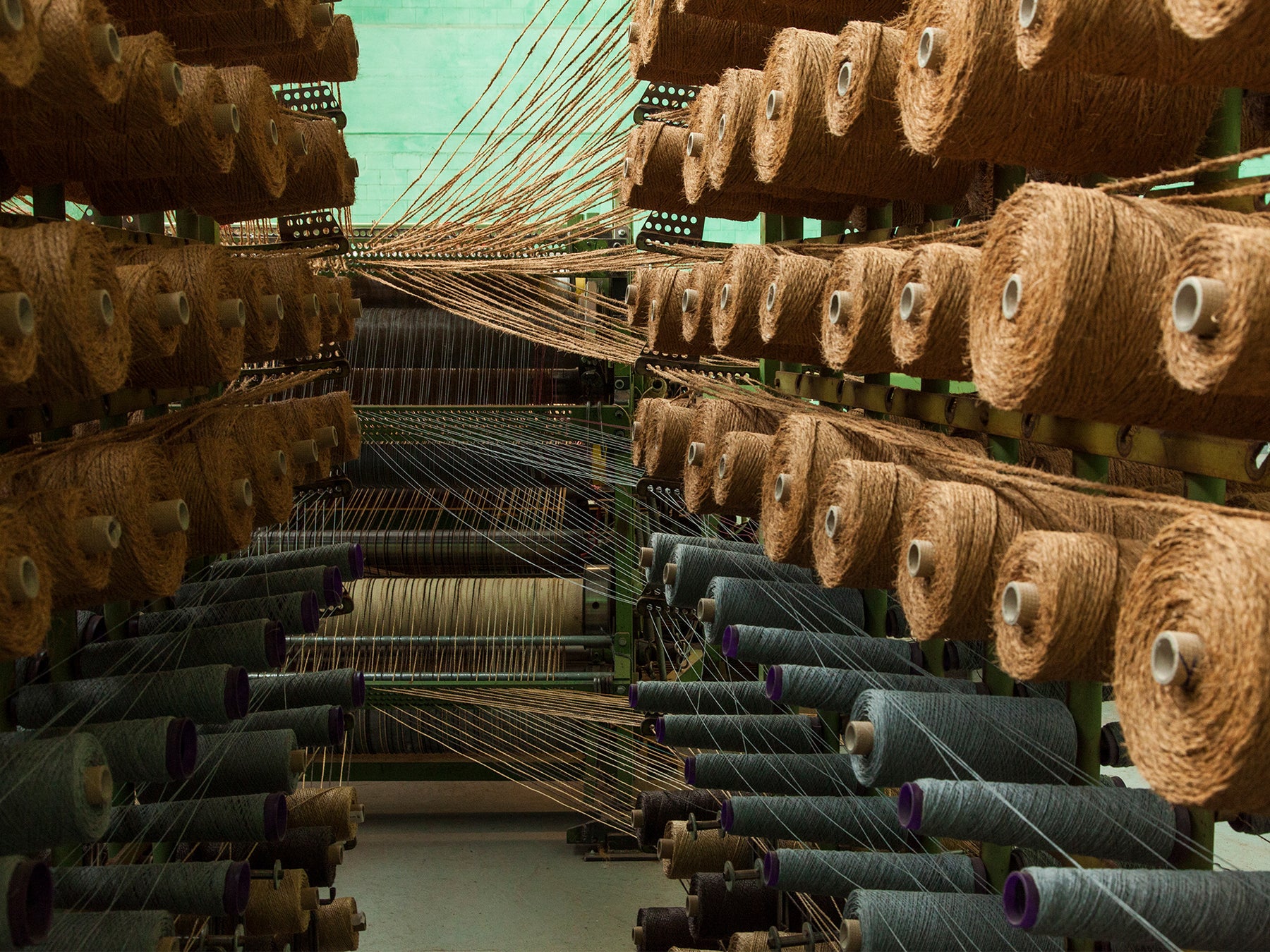
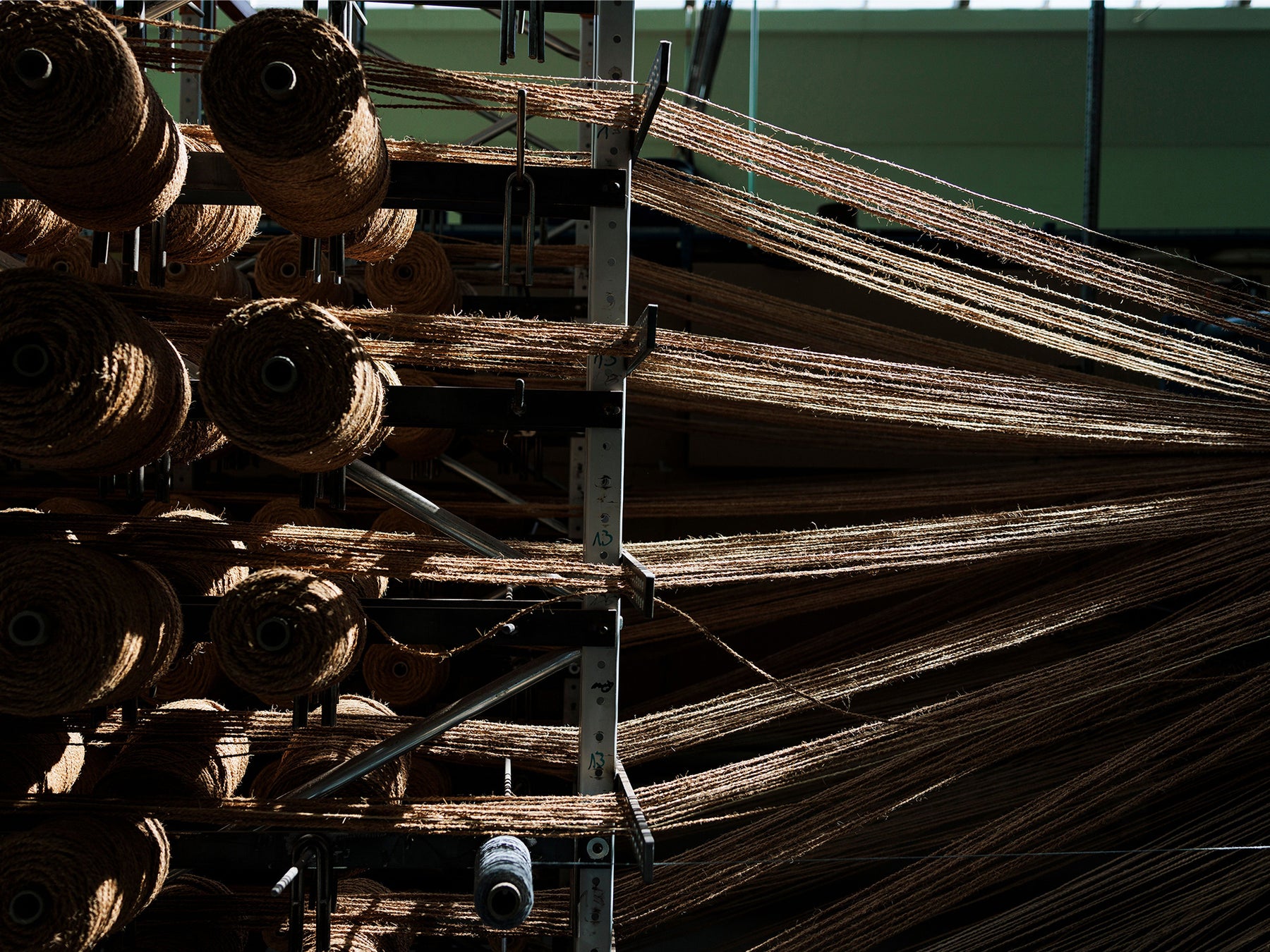
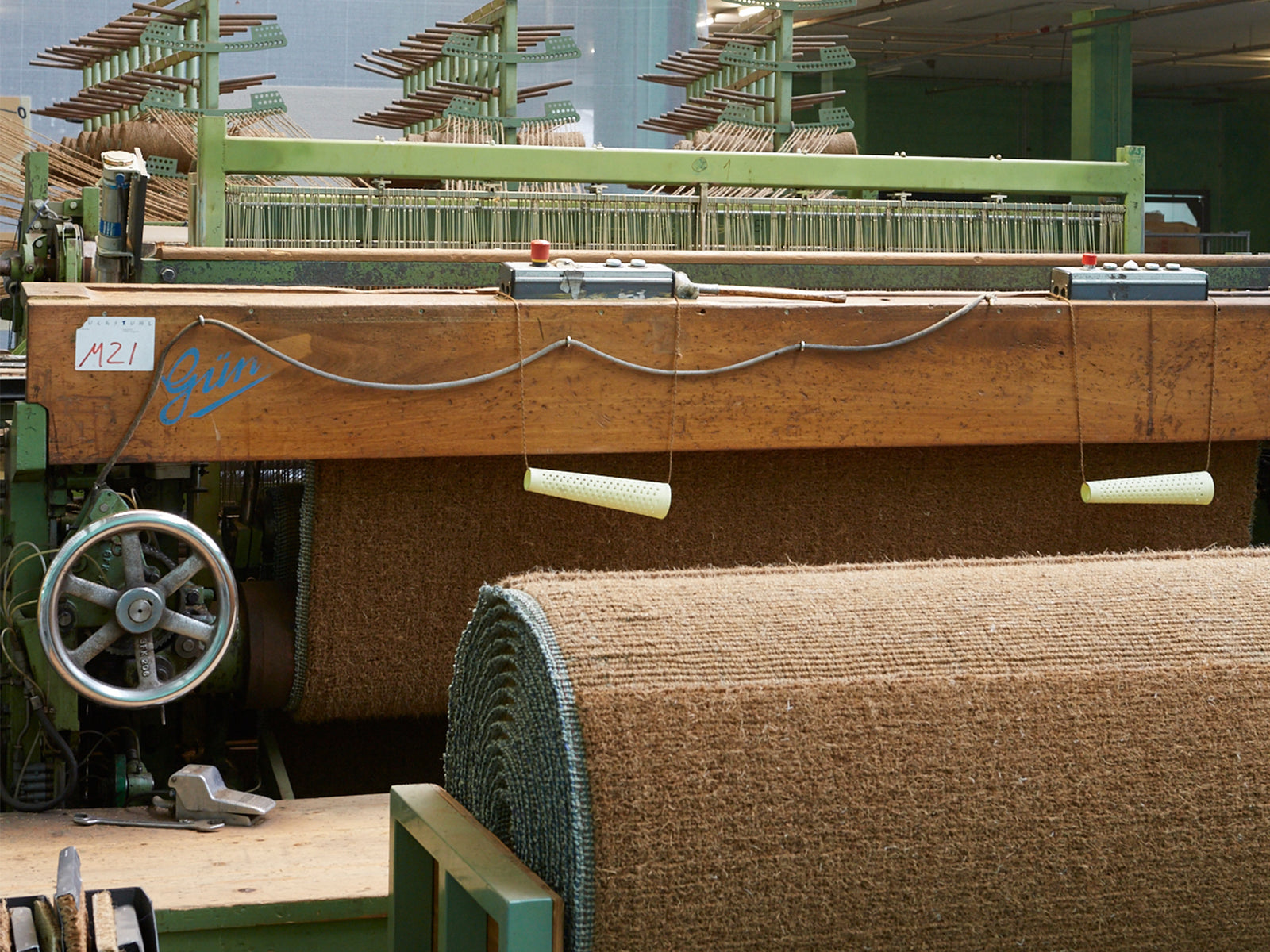
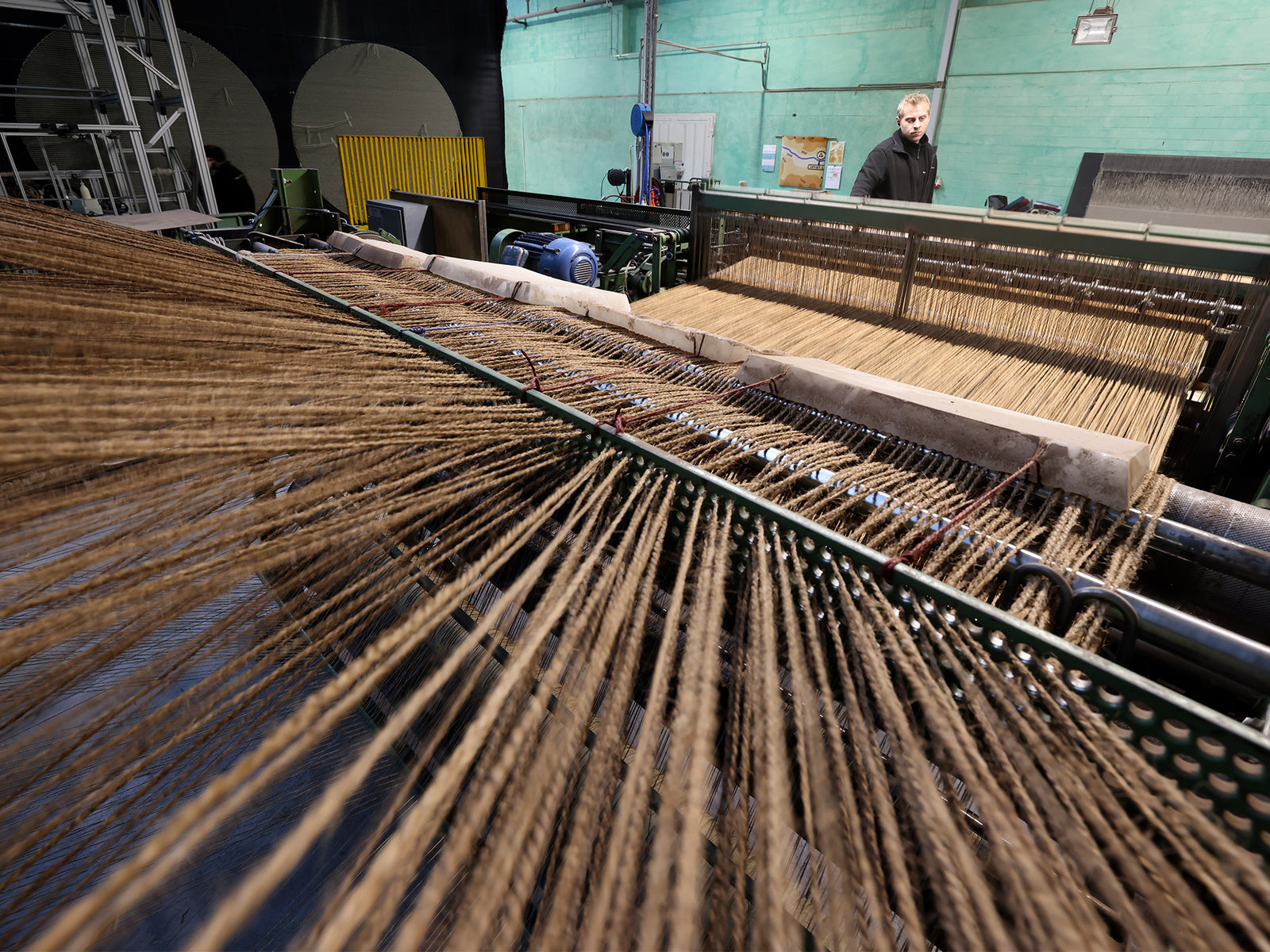
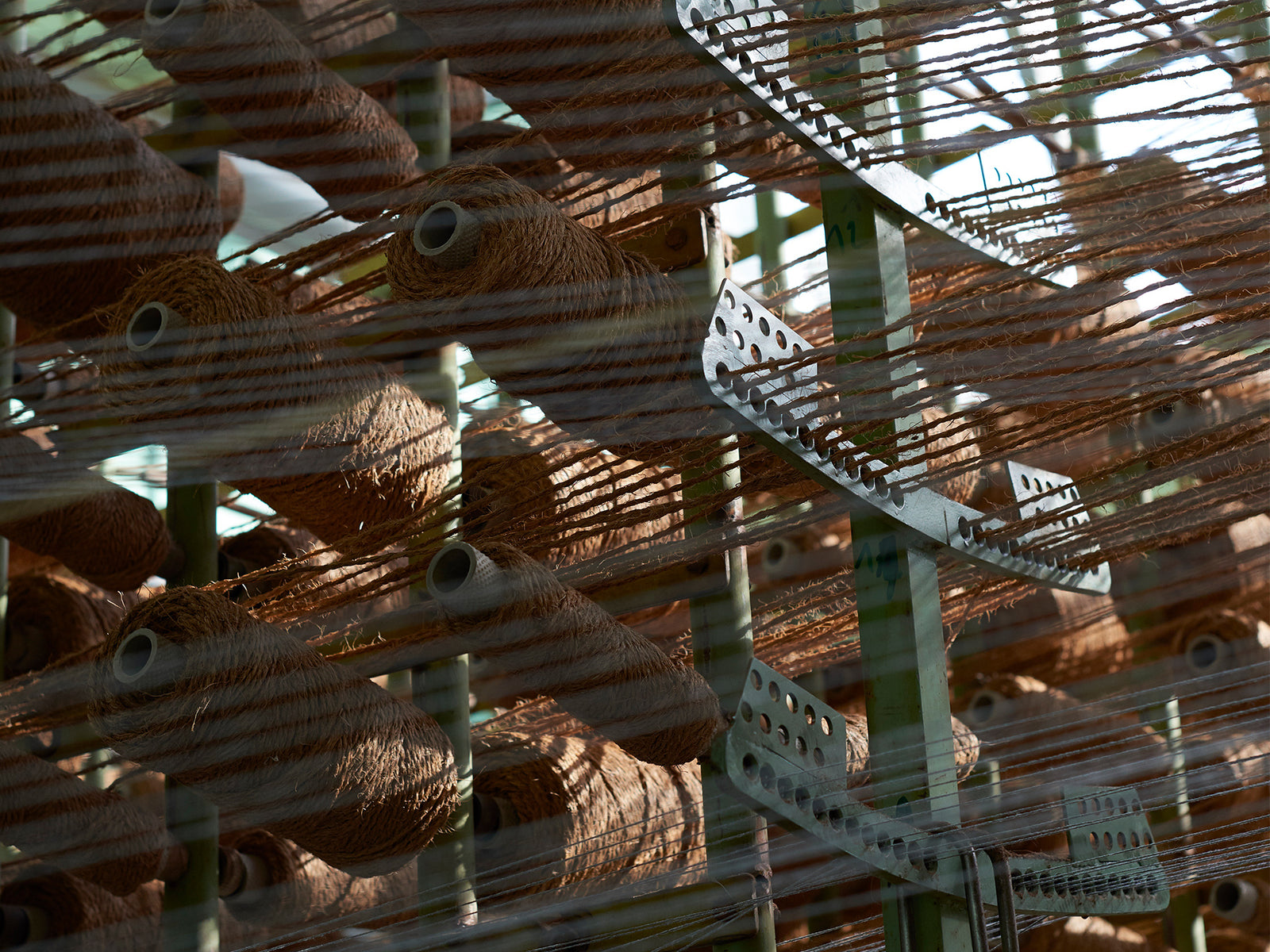
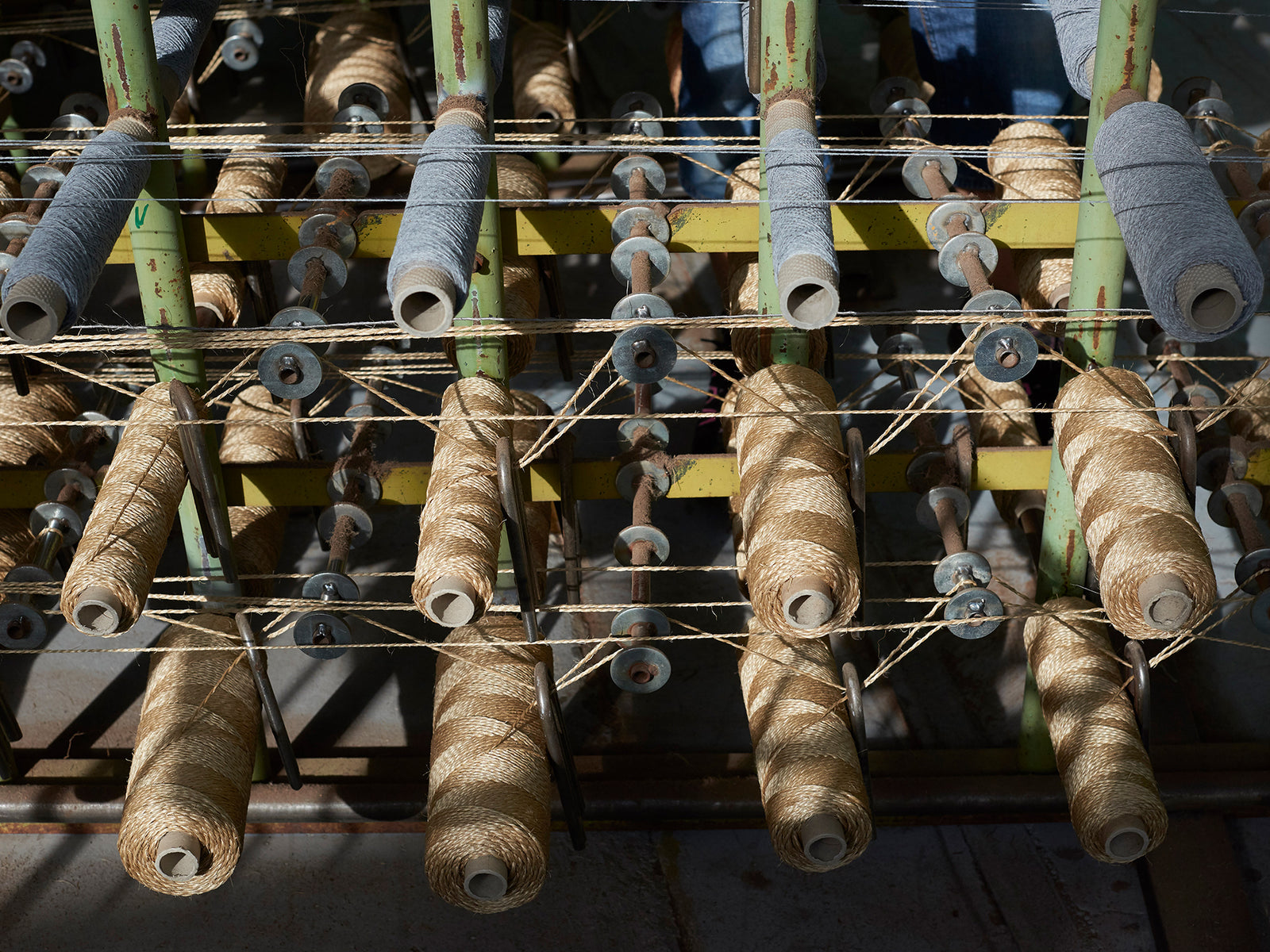
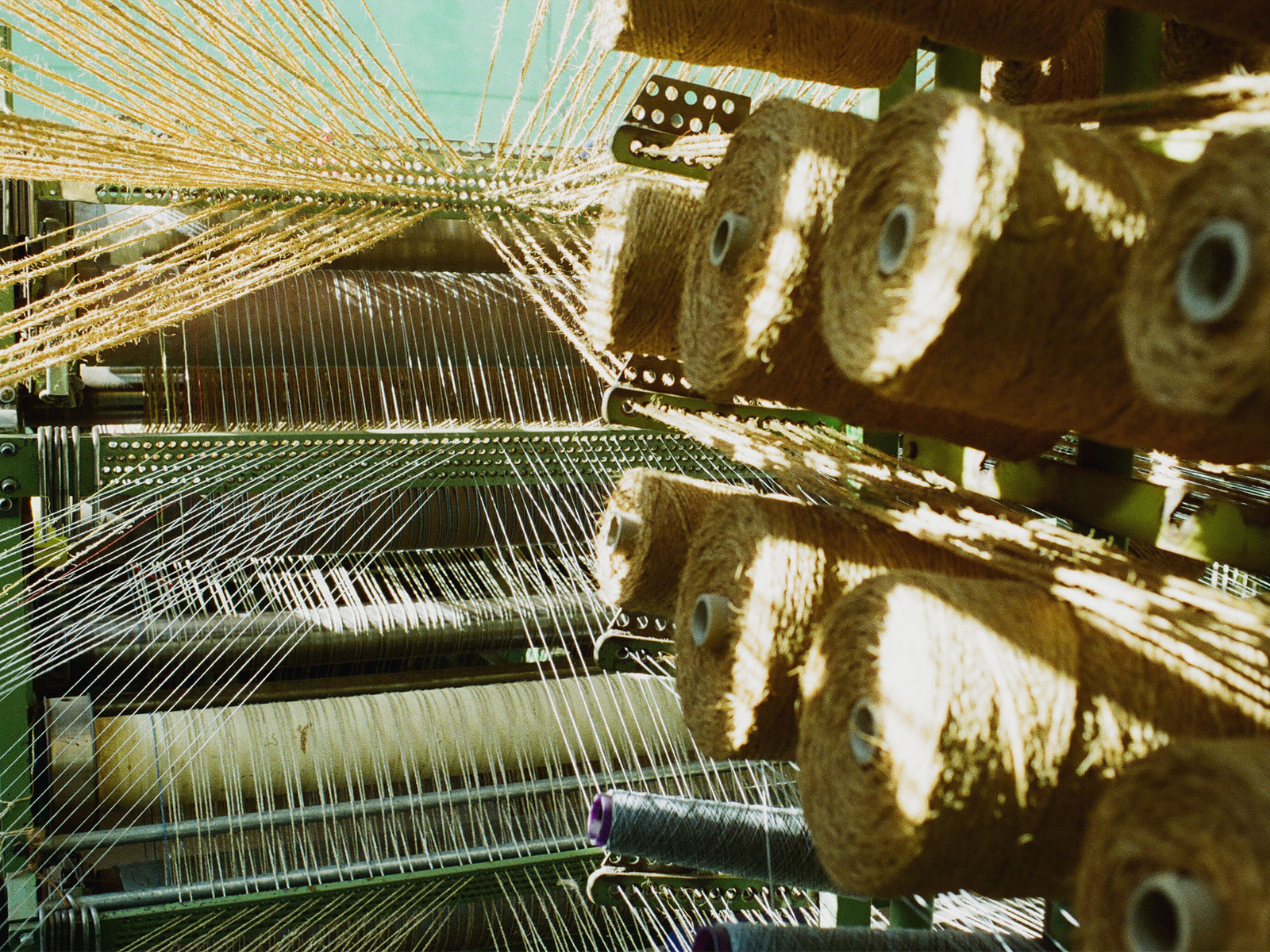
For decades, the machine has been maintained, adapted, and further developed. Many of its components no longer exist as standard spare parts and are specially manufactured or repaired. The knowledge about this is passed down from generation to generation, making the Maschine 21 much more than a historical loom: it is a living piece of Swiss industrial and craft history.
While comparable systems today mostly stand in museums, the Maschine 21 continues to produce daily. It connects the past and present and shows that innovation does not always mean replacing the old. Sometimes it means preserving what has proven itself.
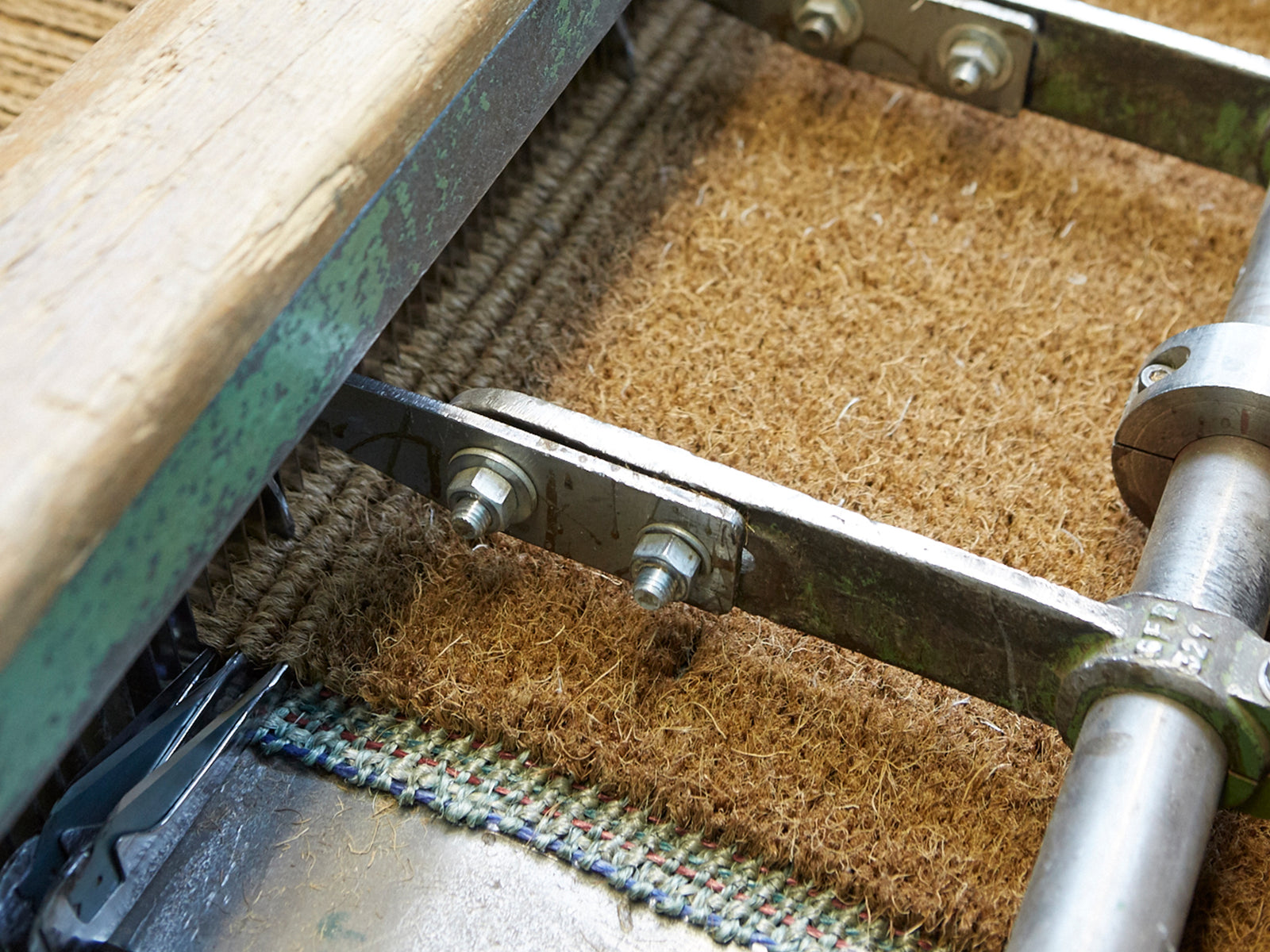
Weaving rods are among the special tools of Machine 21. During the weaving process, they are continuously inserted into the fabric and determine the height of the resulting pile. For certain qualities, they are equipped with an integrated knife that cuts open the loops as they are woven, enabling different surface effects—from closed loops to cut-loop structures.
To this day, these tools are manufactured specifically for the requirements of Machine 21. The blanks for the rod knives are made using water-jet technology from a special sword-steel alloy that Ruckstuhl rediscovered, after a long search, at a manufacturer in England. They then receive their final finish in our own locksmith’s workshop. In this way, not only does a historic weaving machine live on, but so too does the knowledge and expertise required to operate it.
The characteristic components of Machine 21 include the so-called weaving shuttles or flying shuttles. They transport the weft thread through the warp threads, making it possible for the fabric to take shape. What was part of everyday life in almost every weaving mill for centuries has now almost completely disappeared in Europe.
Ruckstuhl still uses this technique for the production of coir carpets. When the supply of historic shuttles began to run out, a new generation of these tools was developed together with the Langenthal joinery holzx. The round 90-centimetre-long shuttles are now made from highly compressed laminated wood, ensuring the continued survival of a weaving technique that has become rare.
Even the smallest components of Machine 21 have a story of their own. The blades of the weaving rods are made from a special steel alloy, whose blanks are now cut using water-jet technology. They then receive their final finishing at a family-run business on a farm in Auswil, in the Oberaargau region.
This collaboration between modern manufacturing technology and regional craftsmanship is emblematic of Machine 21’s continued operation. Many components are no longer manufactured industrially and are now produced in close cooperation with specialized partners. In this way, not only is a machine preserved, but also the knowledge and skills required to operate it.