D.N.A.
A carpet in its second life
FROM FIBER TO THE FUTURE


D.N.A.
Sustainability does not begin only with the use of a product. It starts with the question of which materials we use and how we handle existing resources. With the research project Texcircle and the carpet PHEN:X, Ruckstuhl explored the potential of high-quality recycled virgin wool for carpet production.
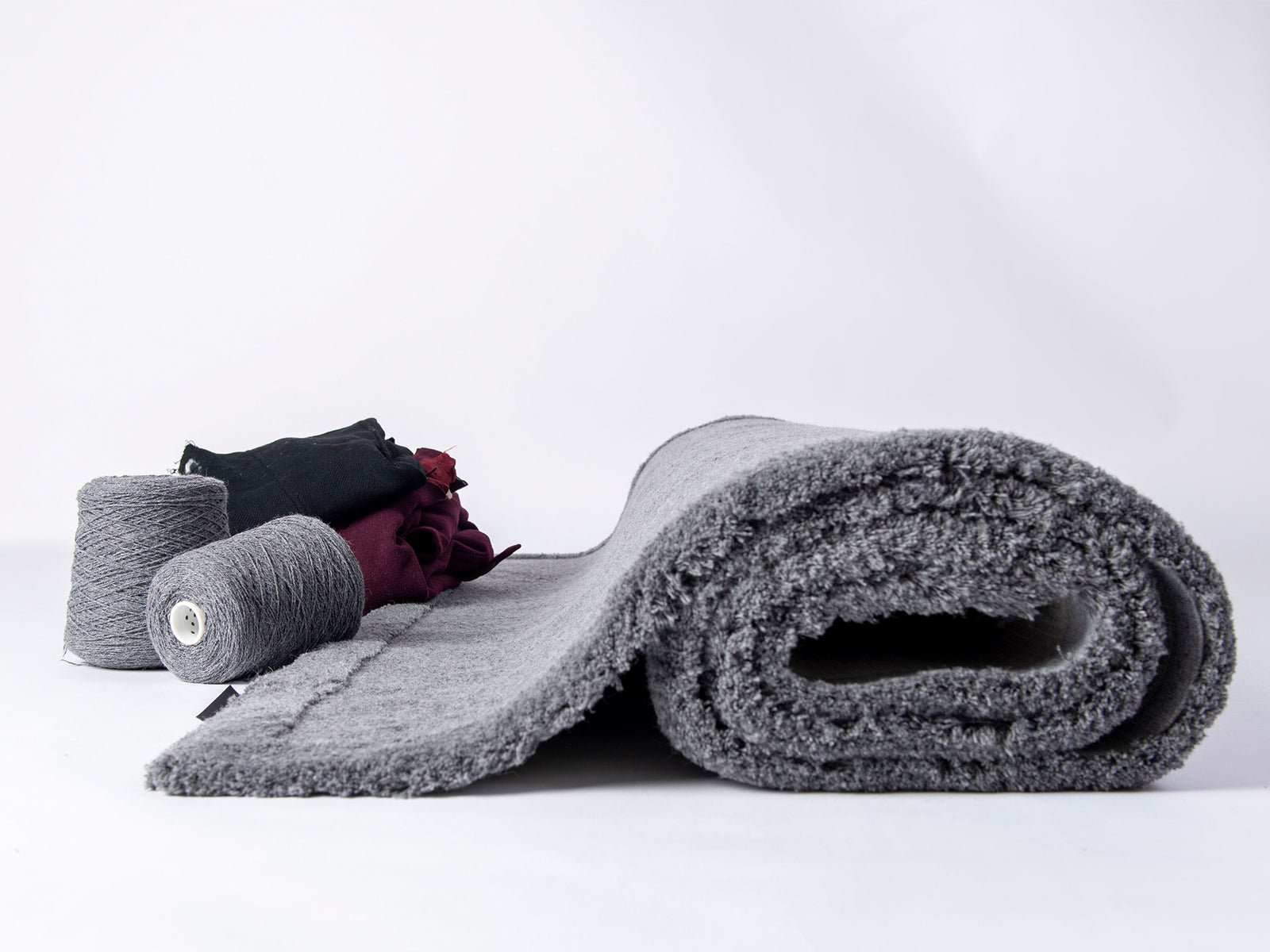
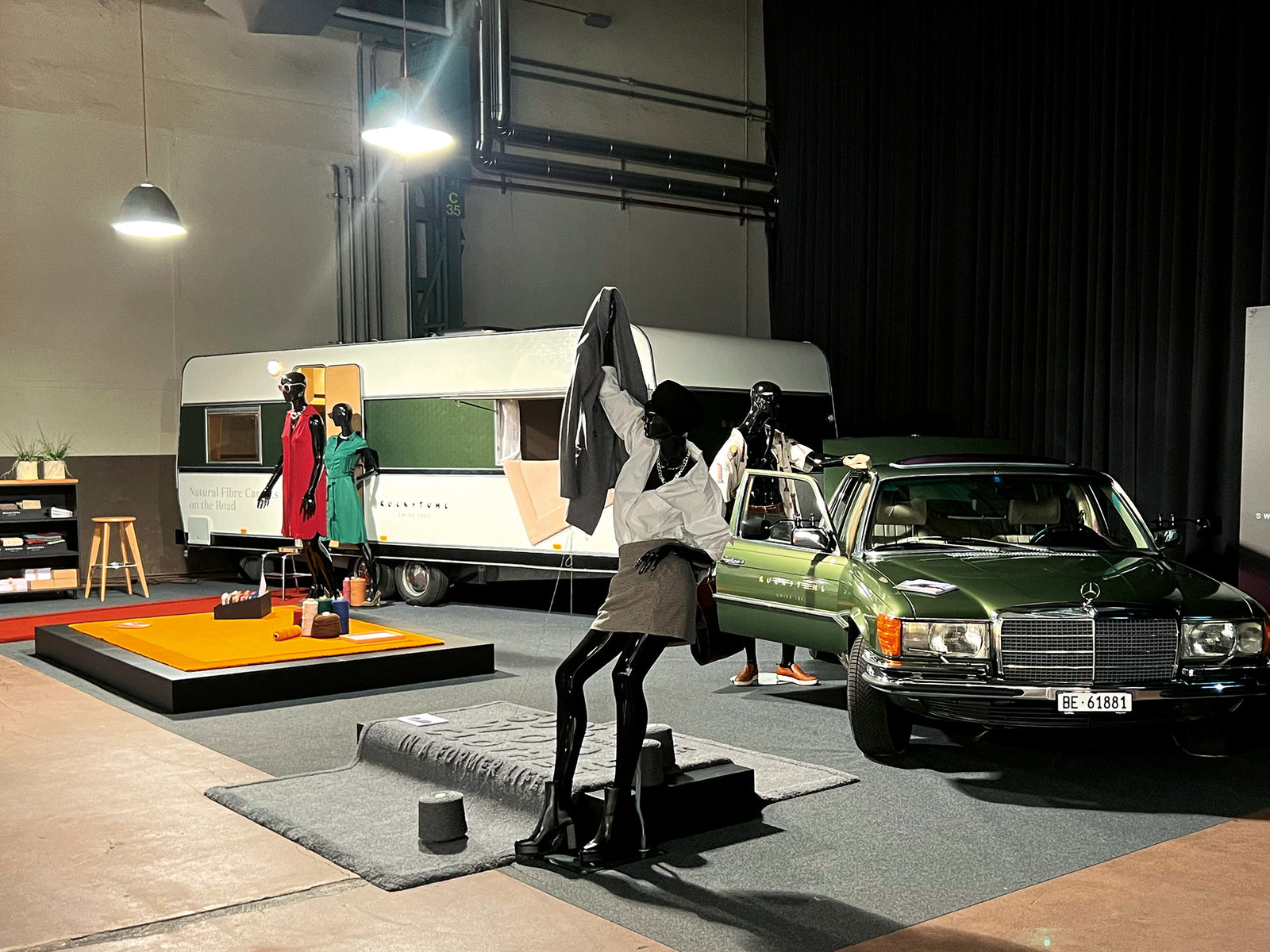
Together with the Product & Textile research group at Lucerne University of Applied Sciences and Arts (HSLU), Ruckstuhl developed new approaches for recycling old textiles. The focus was on discarded winter coats with a high wool content, whose fibers were recovered and processed into a new carpet yarn. The goal of the project was to develop high-quality applications for post-consumer textiles and to rethink textile cycles.
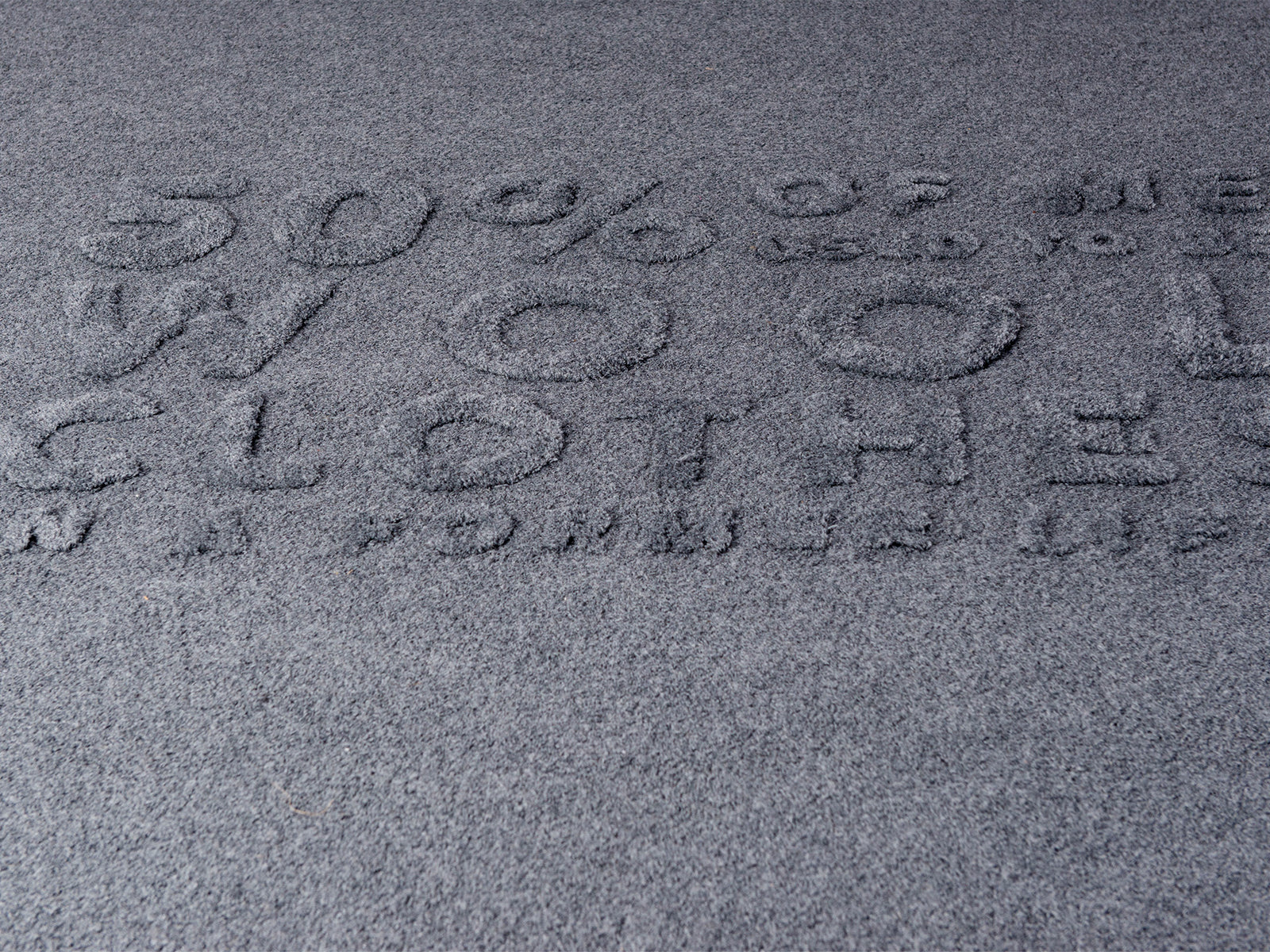
For the carpet prototype, the wool fibers from used coats were processed and spun together with other recycled fibers and new, undyed virgin wool into a yarn. The material developed from this was successfully processed into a carpet by Ruckstuhl, confirming that recycled fibers can also be used in the premium segment.
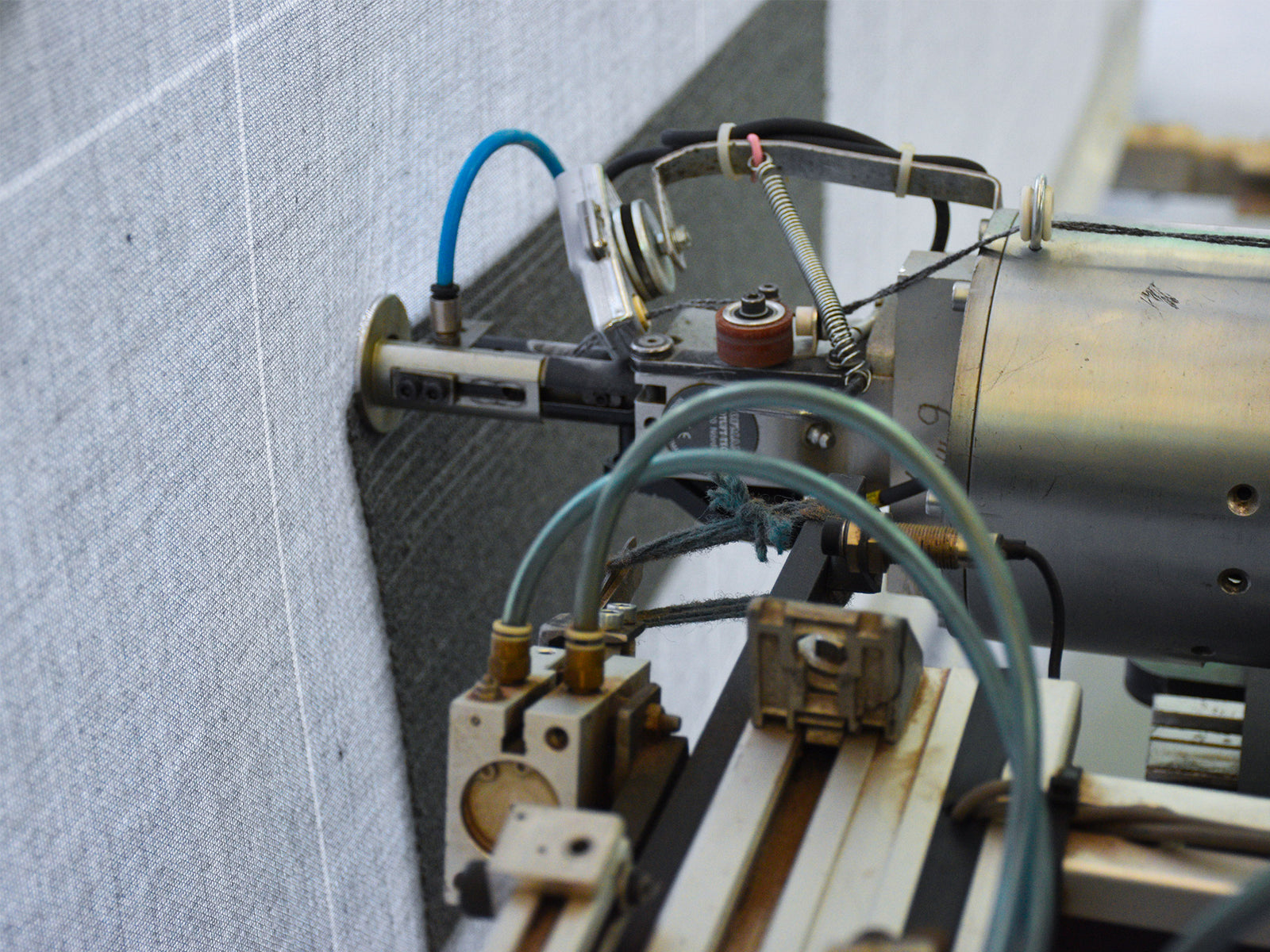
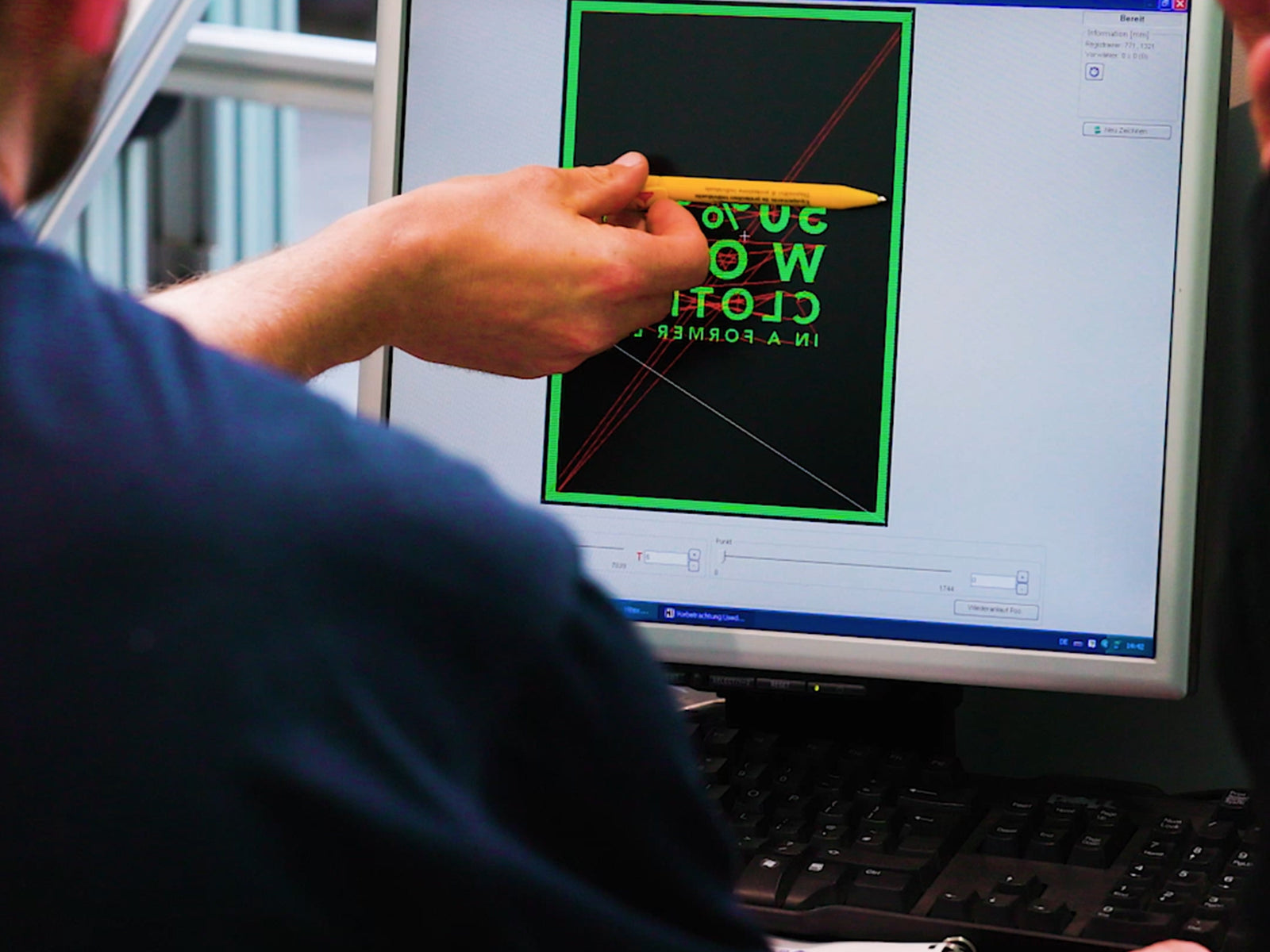
Ruckstuhl took the next step in 2025 with the collection by Trix & Robert Haussmann. For the first time, it was possible to industrially produce and introduce to the market a carpet containing 60 percent recycled virgin wool. The iconic designs STRIPES, DÉGRADÉ, ATLANTIS, and SPACEGRID combine design heritage with new material cycles and the latest robot tufting technology. What began as a research project with PHEN:X and Texcircle thus became a market-ready product—and further proof that innovation and sustainability are not opposites but mutually drive each other forward.
Texcircle was developed by the Lucerne University of Applied Sciences and Arts together with industry partners such as Ruckstuhl, Texaid, Rieter, and other companies, and was funded by Innosuisse. The project pursued the vision of a circular textile economy in which valuable raw materials are kept in circulation for as long as possible.
PHEN:X exemplifies Ruckstuhl's commitment to viewing innovation not only as technological development but as a responsible approach to materials. The most valuable resource is often the one that already exists.