
D.N.A.
The longest form of sustainability




D.N.A.
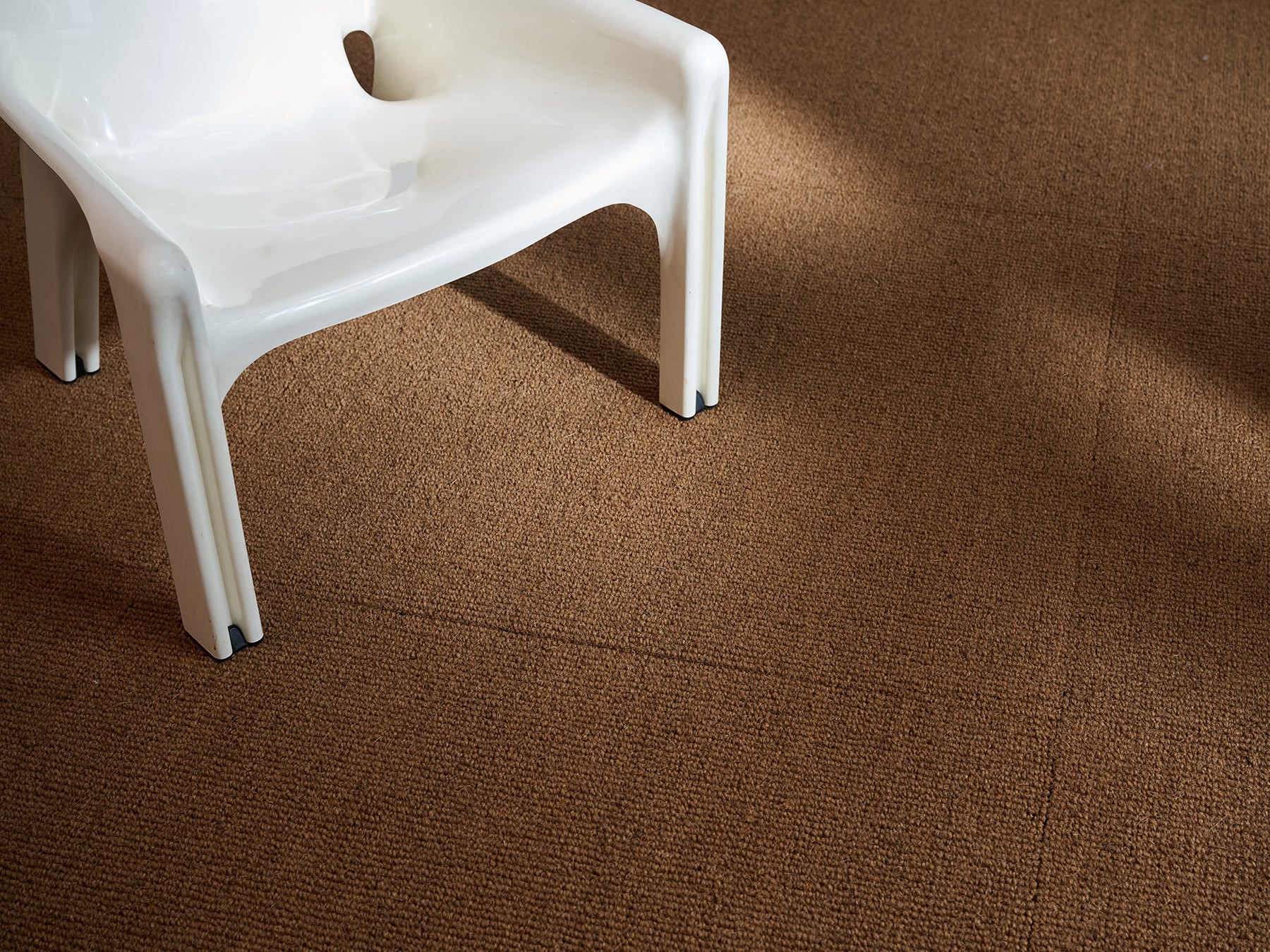
In a time when many consumer goods are designed for short life cycles, the idea of a product that is used for several decades seems almost unusual. However, in the field of interior design, it has been shown over generations that quality and durability are closely linked. Furniture, lighting, or rugs often develop their true value only over the years. They accompany changes, age with dignity, and become part of the history of a place.
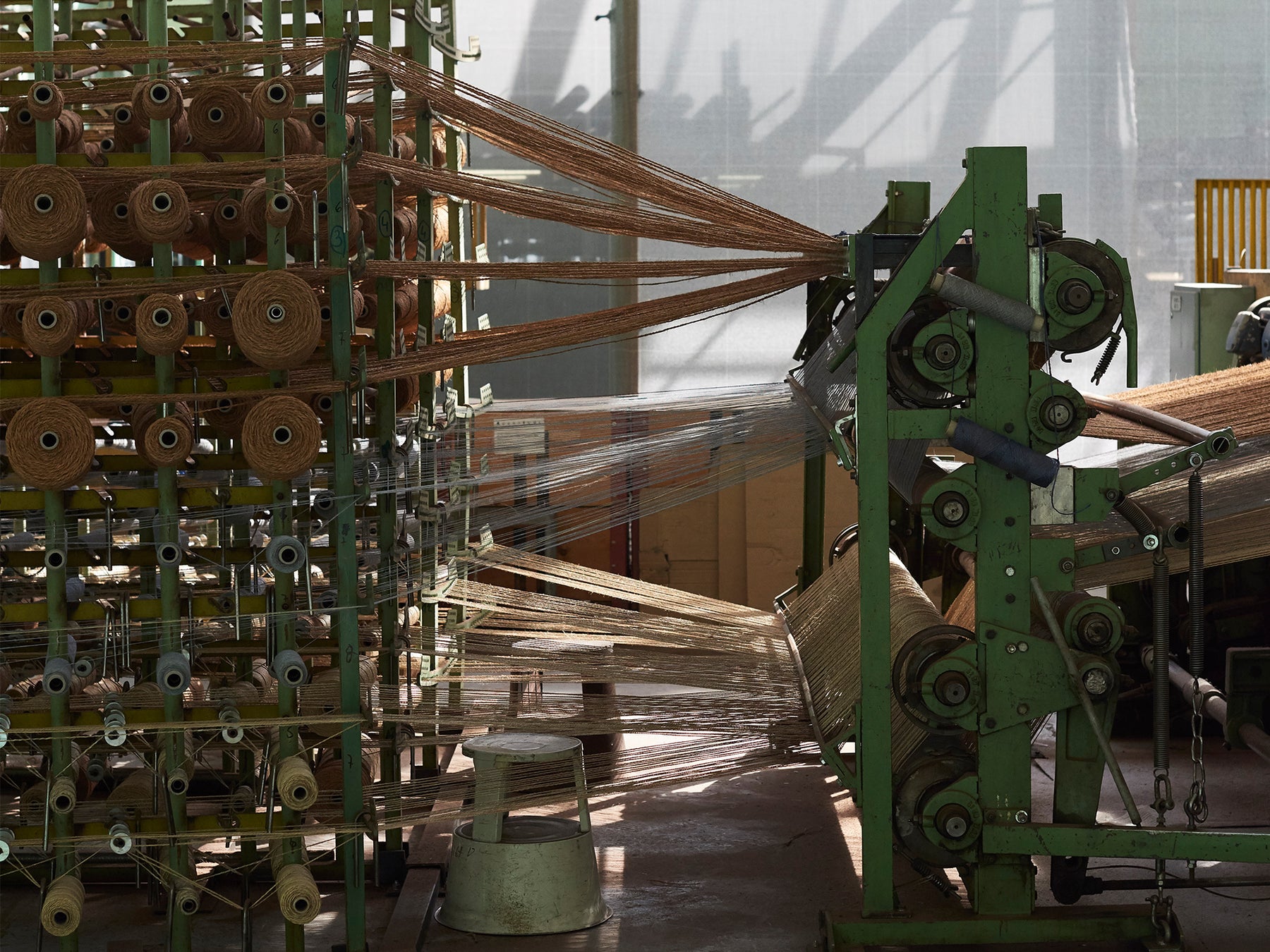
Since 1881, Ruckstuhl has been processing natural fibers into textile floor coverings. Throughout all these decades, the belief has hardly changed that the quality of a carpet cannot be judged solely on the day it is delivered. What matters more is how it performs after ten, twenty, or thirty years.
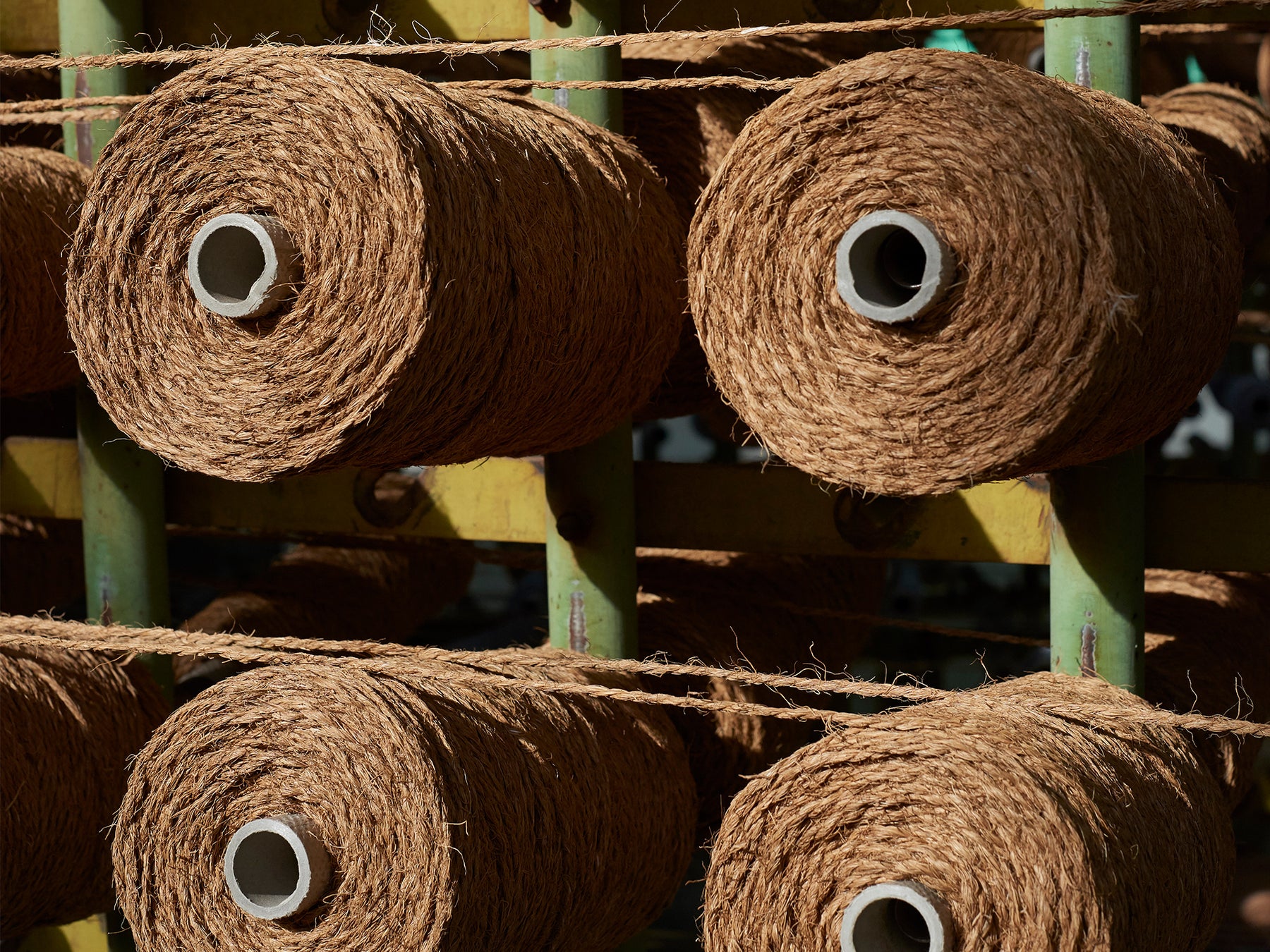
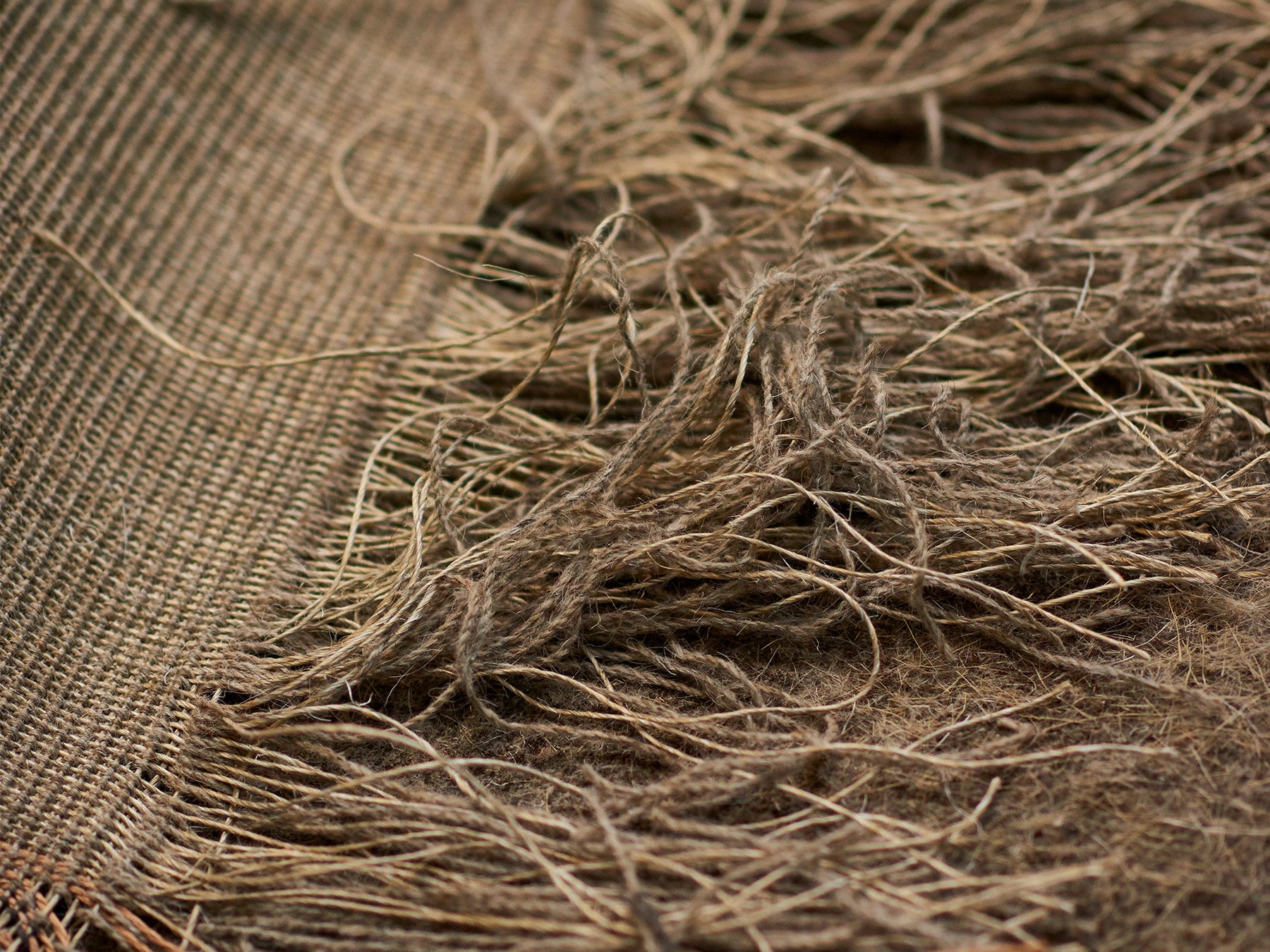
The foundation for this is materials that have proven themselves for centuries. New wool, sisal, coconut, fique, or goat hair are among the oldest textile raw materials in the world. Their properties are not the result of chemical optimization but natural development. They age differently than synthetic materials, develop character, and often retain their function over remarkably long periods.
However, durability is not created by the material alone. Equally important are the design, craftsmanship, and the possibility of maintaining a product. Many rugs made decades ago are still in use today. Some are cleaned, re-edged, or adapted to new spatial situations. Others undergo refurbishment after years of use, significantly extending their lifespan.
This form of value preservation was taken for granted in artisanal cultures for centuries. It was only industrial mass production that shaped the idea that products can be replaced at any time. The return to durable objects is therefore not only an ecological decision but also a cultural one.
Sustainability ultimately is not only reflected in how a product is made. It is also reflected in how long it remains part of our lives. A rug that is used, cared for, and passed down over decades saves resources, energy, and raw materials far beyond what can be expressed in a single metric.
Perhaps this is precisely the most demanding form of sustainability: creating things that are allowed to last.