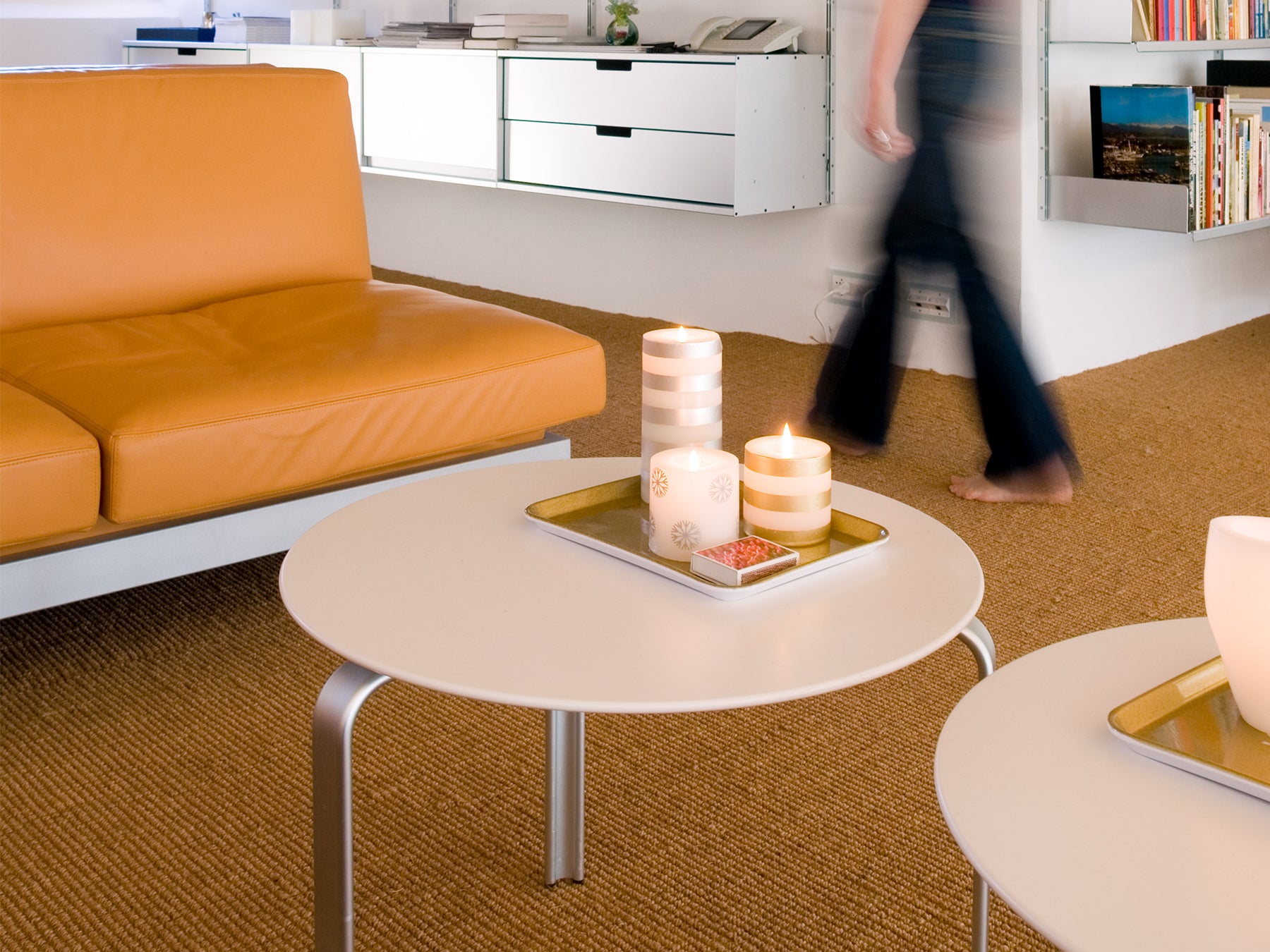
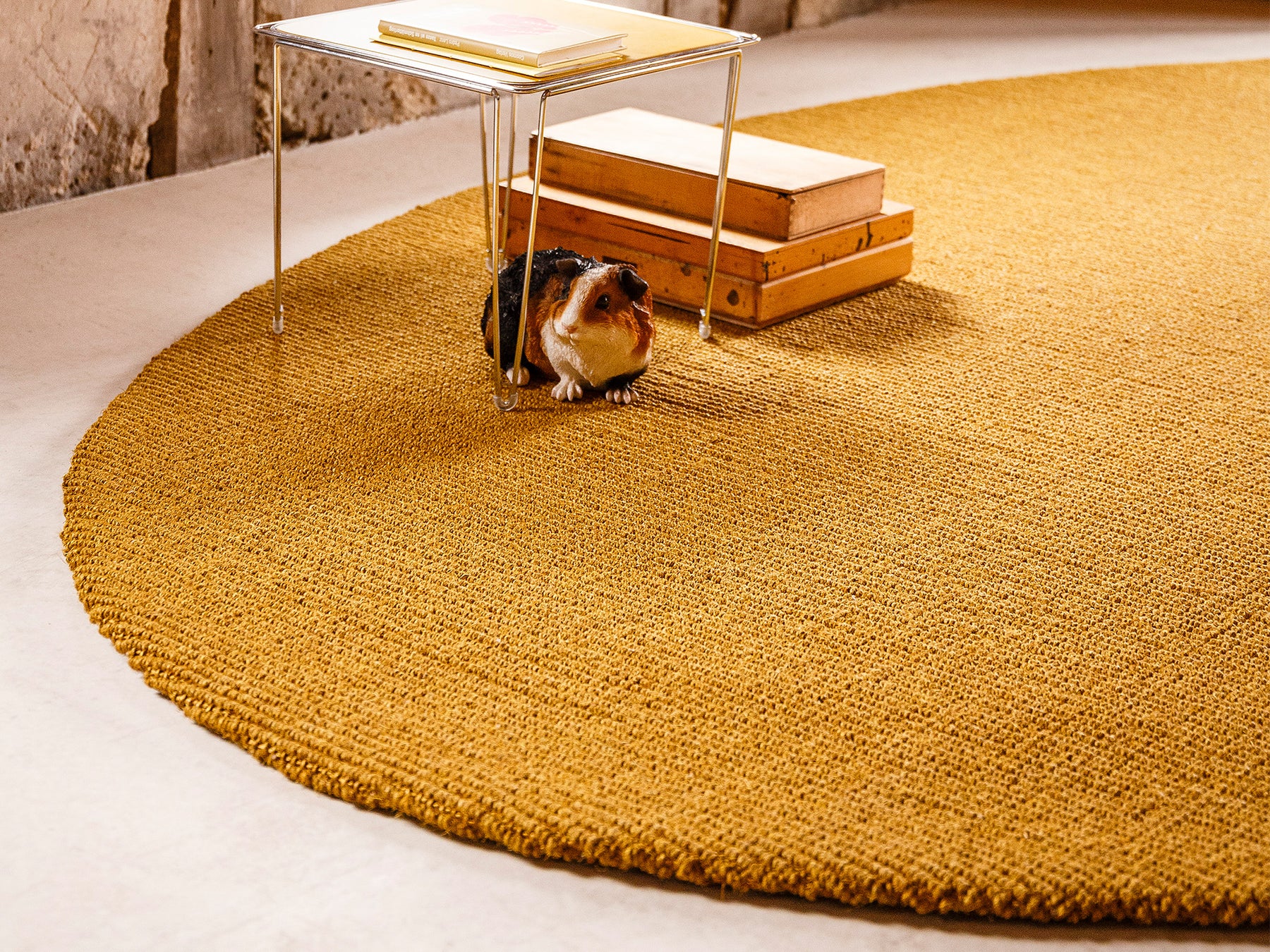
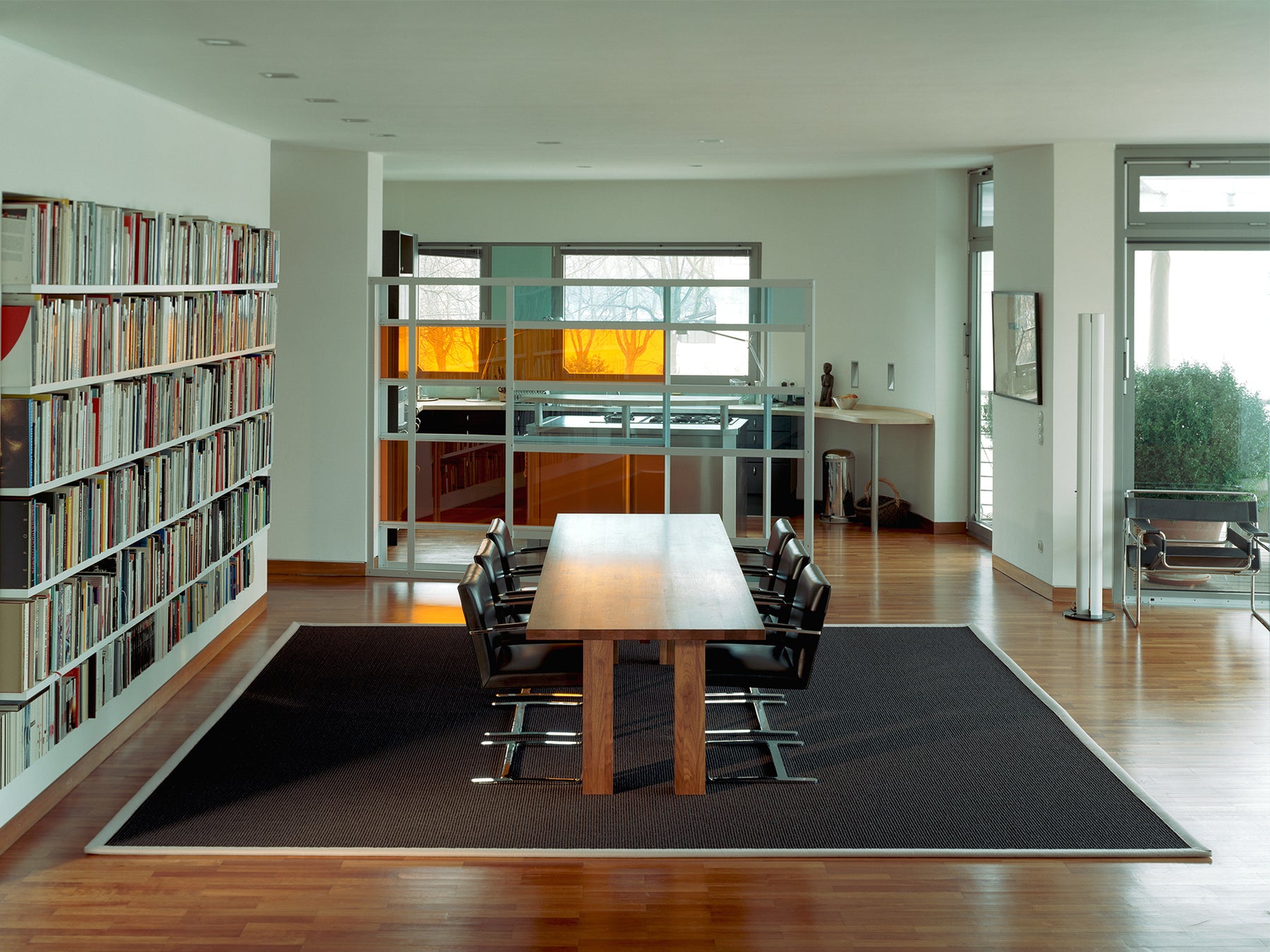
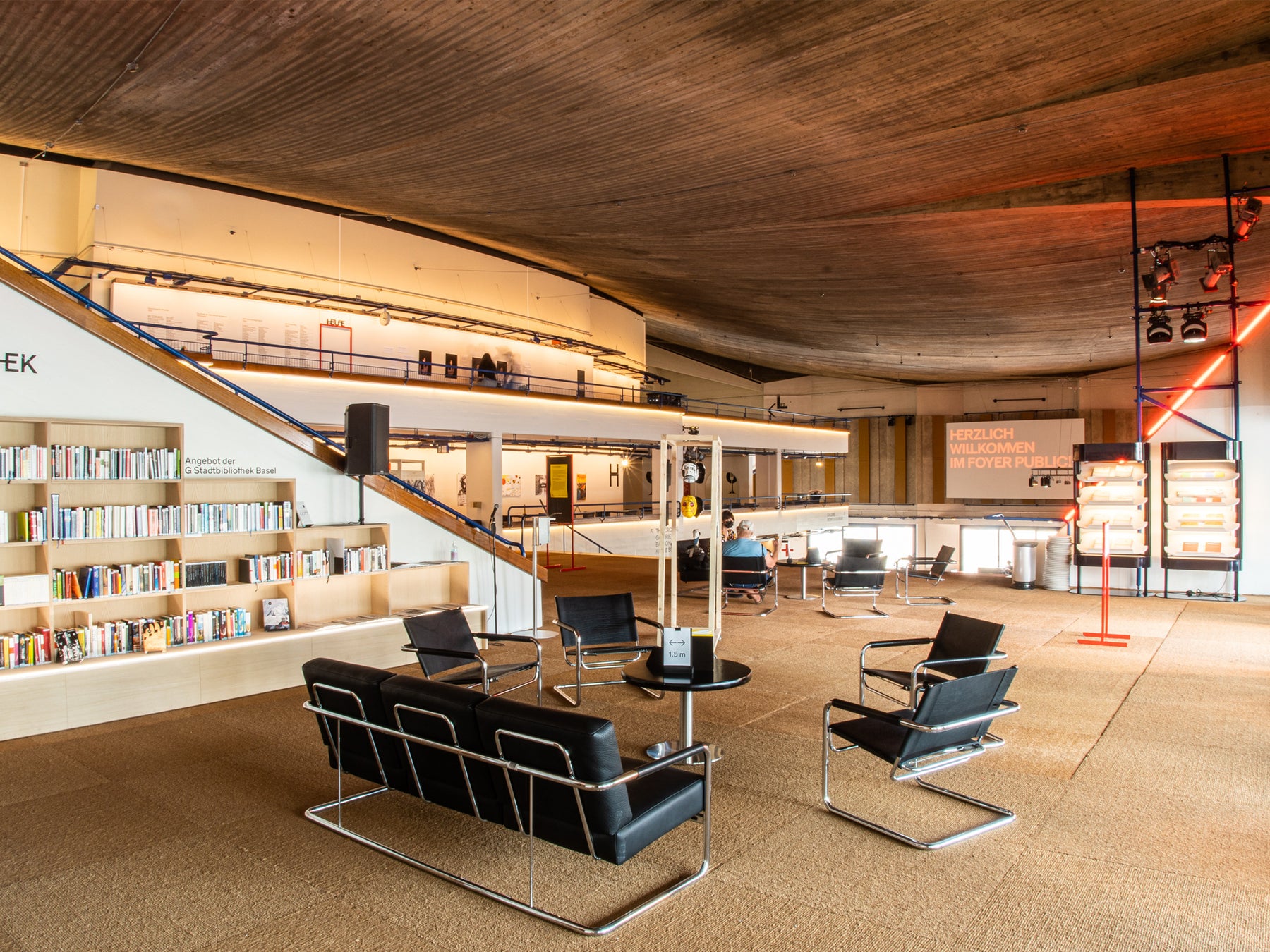
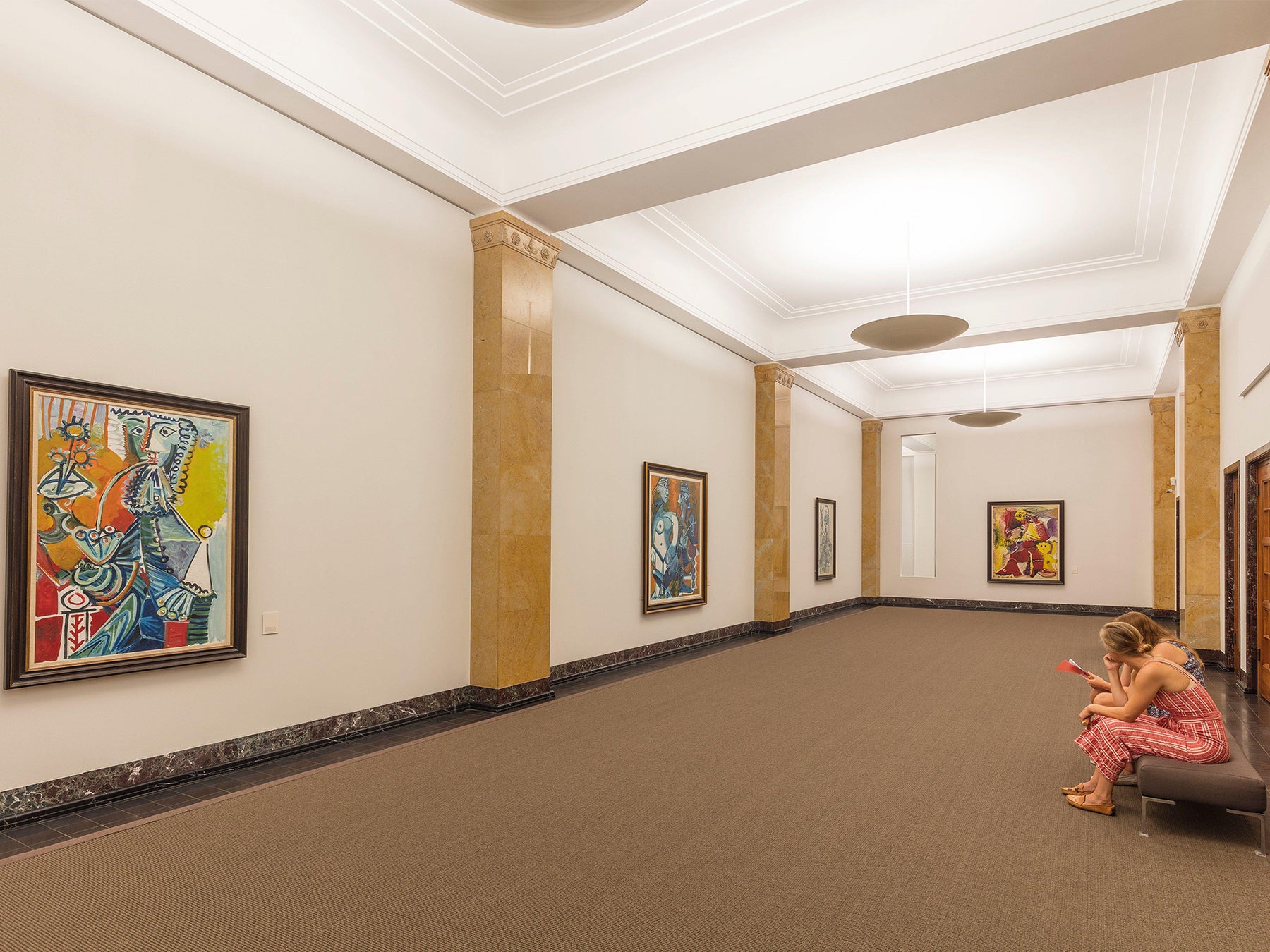
Runder Ruckstuhl Kokosteppich CALICUT in einem Wohnraum

How a natural fiber carpet became a trademark.

Calicut

When the industry focused on speed, Ruckstuhl chose character. Calicut was born from this attitude.
When the first tufted carpets conquered Europe in the 1960s, an entire industry was set in motion. The new technique promised efficiency, speed, and low prices. Many traditional coir weavers disappeared from the market in the following years.
Ruckstuhl also faced a decision. Following the price pressure would have meant redefining their own craft. Instead, they chose a different path: not cheaper, but better. Not smoother, but more characterful. Not more of the same, but something unique.
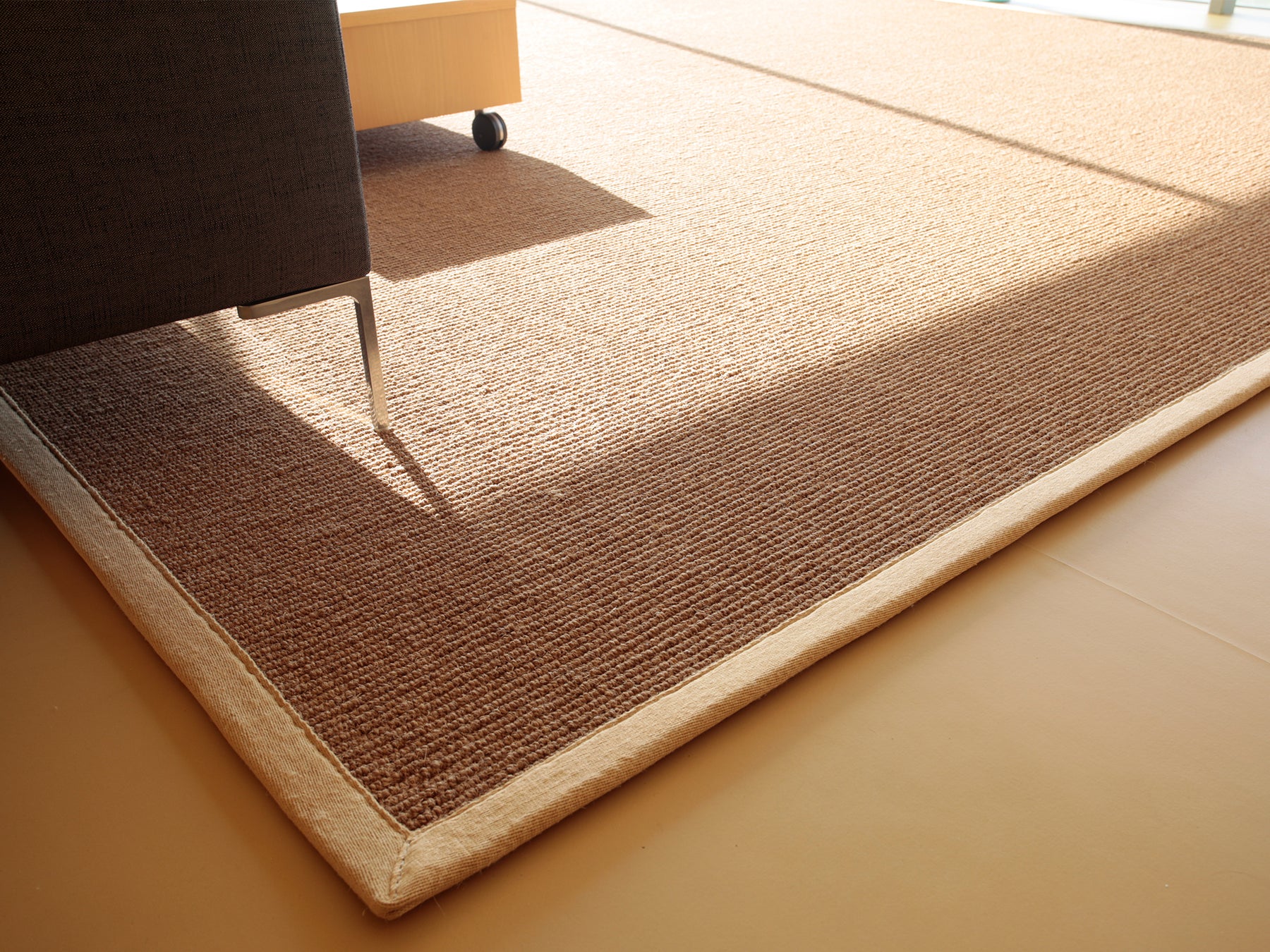
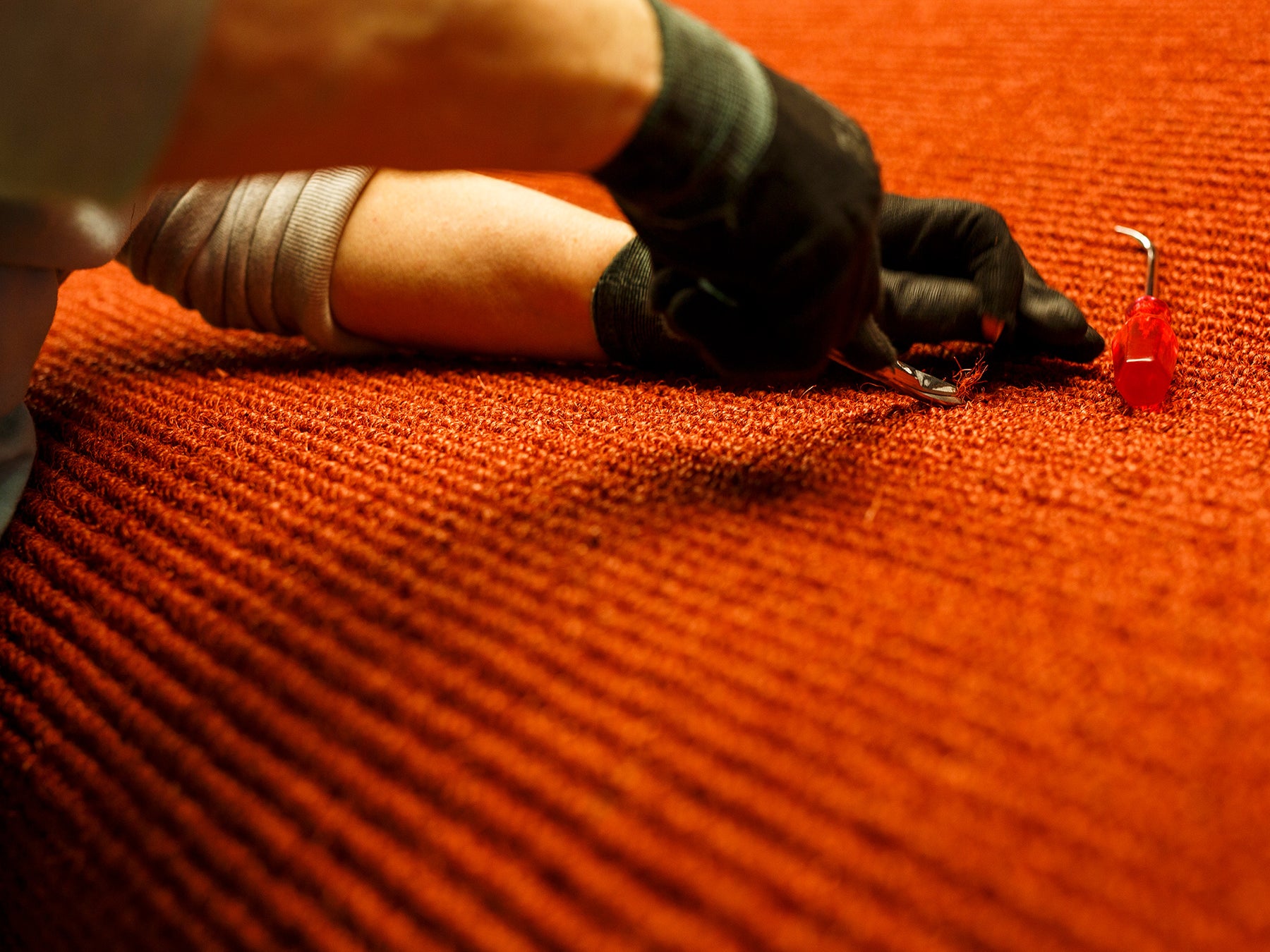
Ruckstuhl Kokosteppich CALICUT in 249 Natur – mit Leinenbandeinfassung, Detail der Teppichstruktur
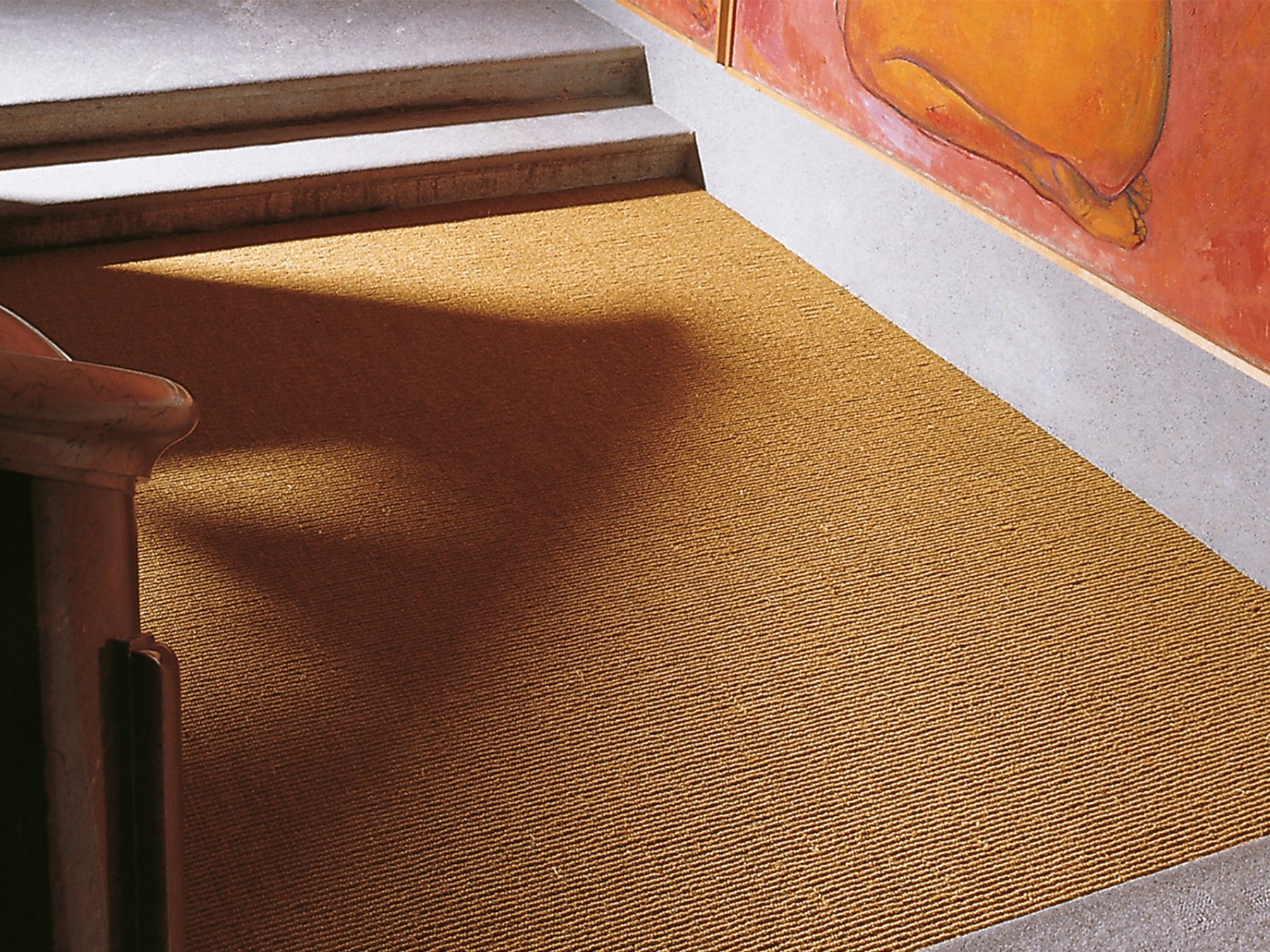
Ruckstuhl Kokosteppich CALICUT in 658 Granit – Karakul Pk Sessel

Battleship approved

Felix Ruckstuhl found his crucial inspiration not in a factory or at a trade fair, but in England. In Hampton Court, he encountered a natural fiber rug whose origin lay far outside of home decor. The so-called Battle Ship Mats were originally used on ships. Their strong structure, durability, and natural presence made a lasting impression.

From this observation came the idea for a rug that would later be named Calicut. Named after the historic port city on the Indian Malabar Coast, a place where spices, fibers, and textiles have been traded worldwide for centuries.

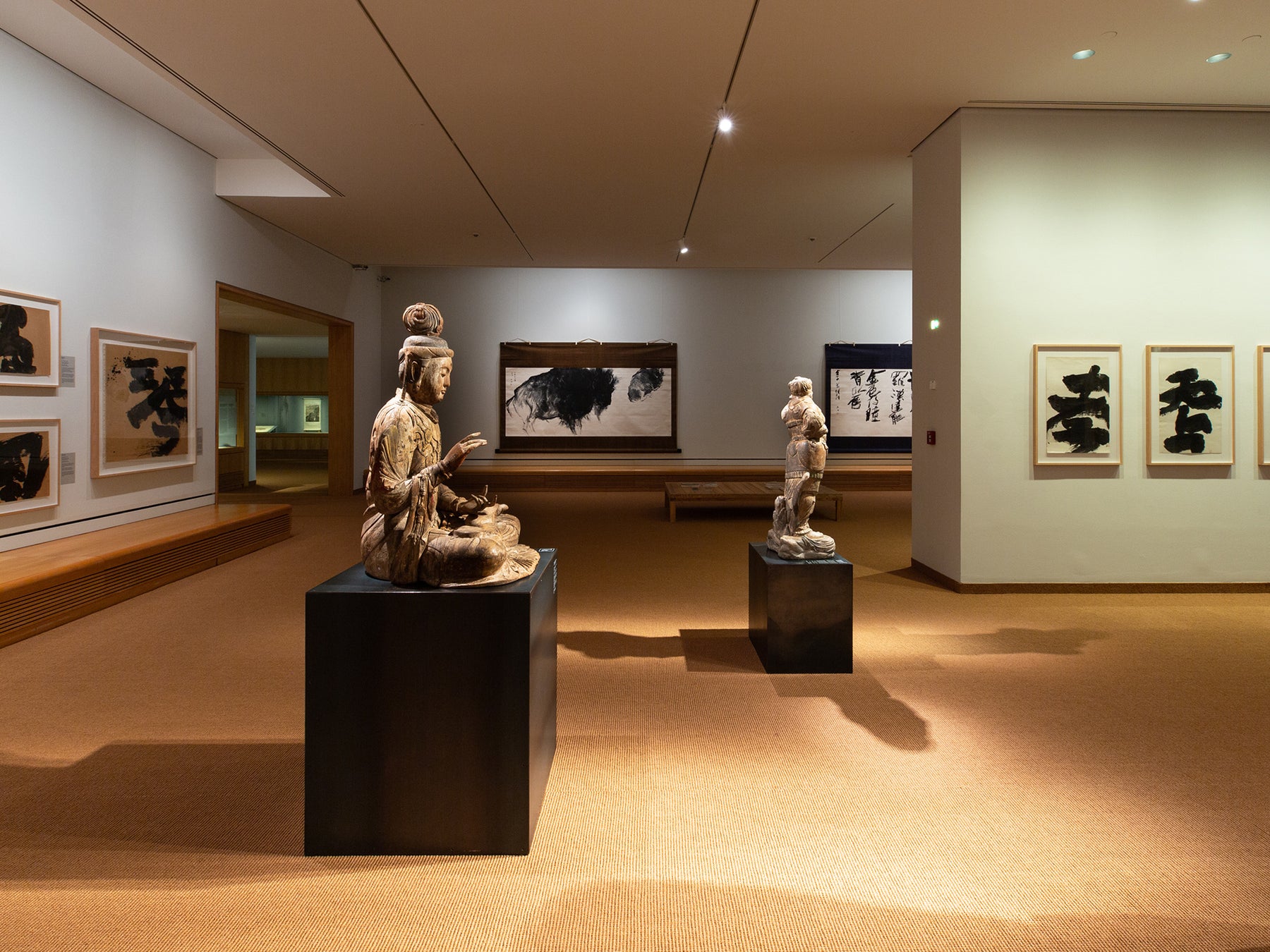
Calicut was different from much of what was available on the market at the time. The distinctive surface gave rooms both depth and calm. Light and shadow played across the texture, and wear left marks that were seen not as flaws but as part of the material. The carpet did not want to disappear. It was part of the architecture.

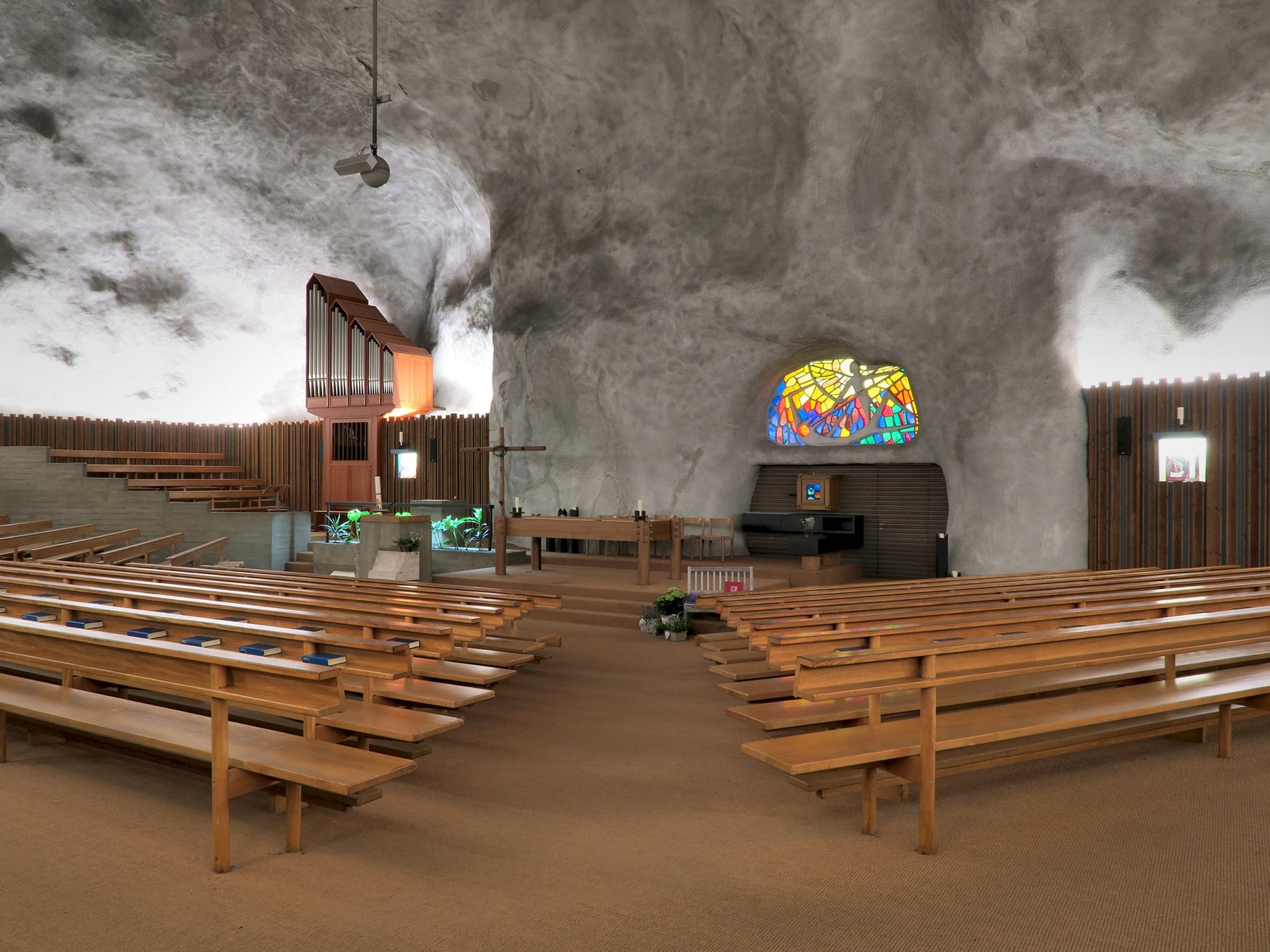
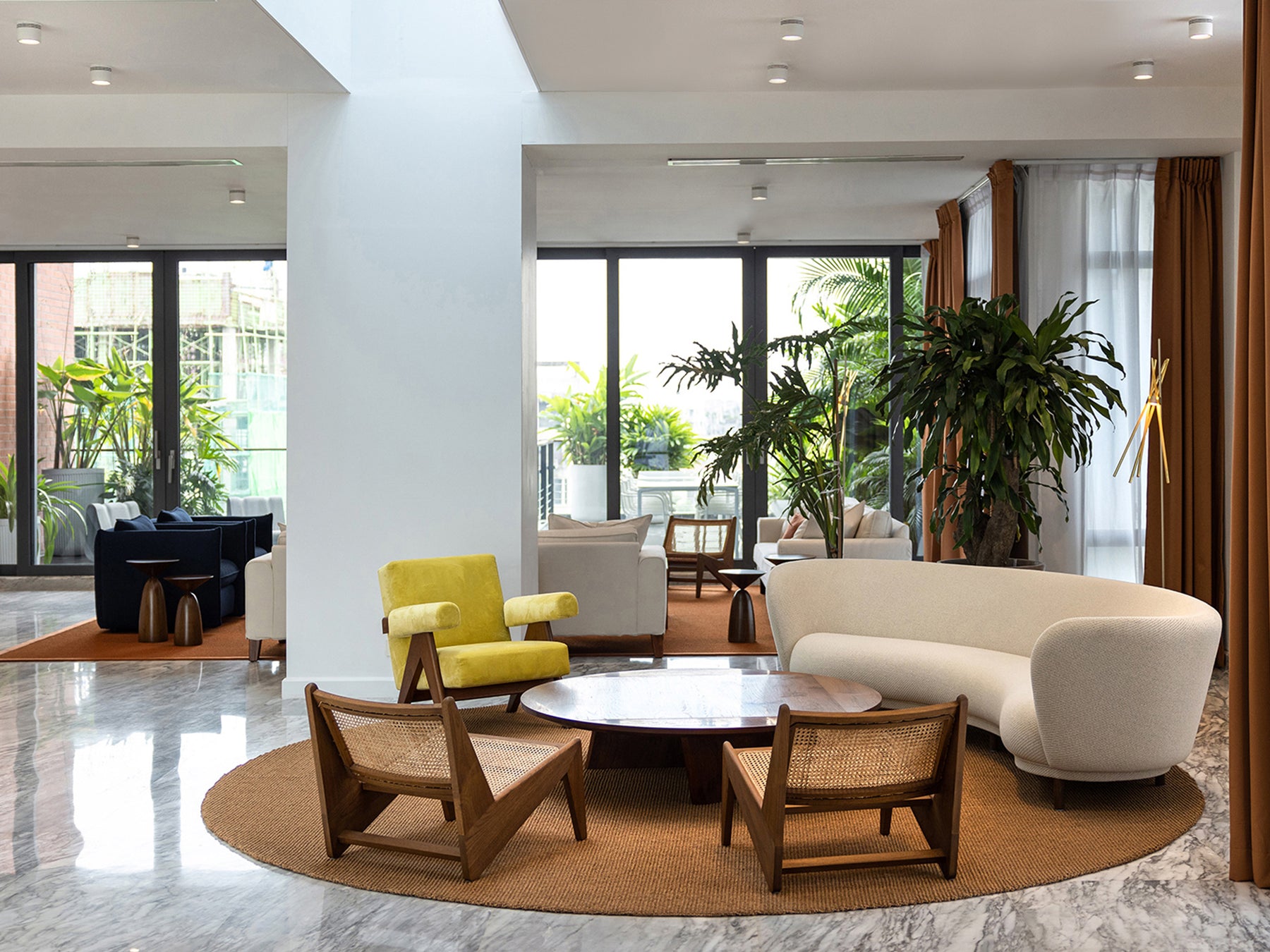
It was precisely this attitude that convinced architects and interior designers. Calicut found its way into homes, public spaces, and sophisticated interior fittings. With the expansion of exports, the carpet reached far beyond Switzerland to Germany, Scandinavia, and Italy.

Success attracted imitators. Many tried to copy the distinctive structure. But a product is never just its surface. Behind Calicut stood decades of experience working with natural fibers, a deep understanding of construction, and manufacturing that could not be easily replicated.

To this day, Calicut remains one of the defining designs in the company's history. Not because it followed a trend, but because it made visible an attitude that still accompanies Ruckstuhl: to take materials seriously, to let their characteristics show, and to develop products from them that endure beyond their time.

What began as a response to a market change became one of the house's most well-known carpets. To this day, Calicut is available as wall-to-wall carpet, carpet tile, and custom-cut carpet – proving that a good idea does not lose its relevance even decades after its creation.