


Madison
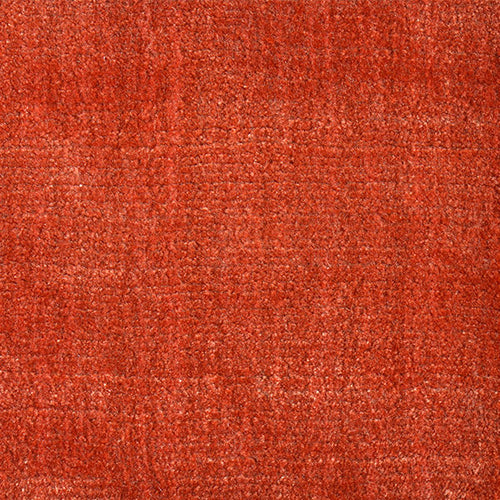
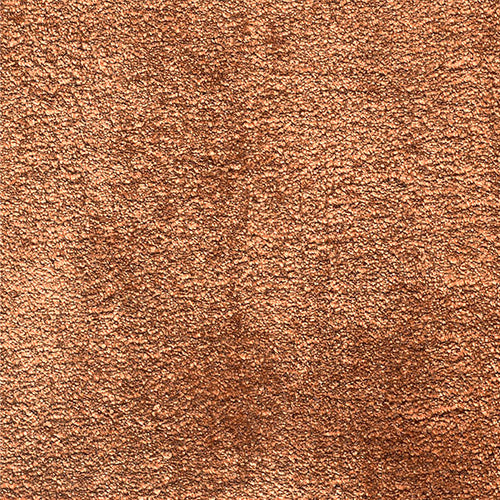
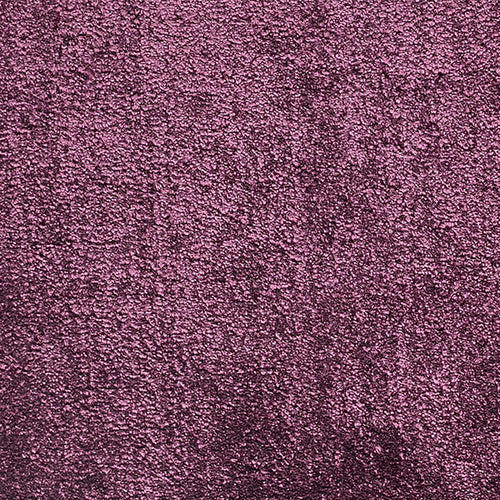
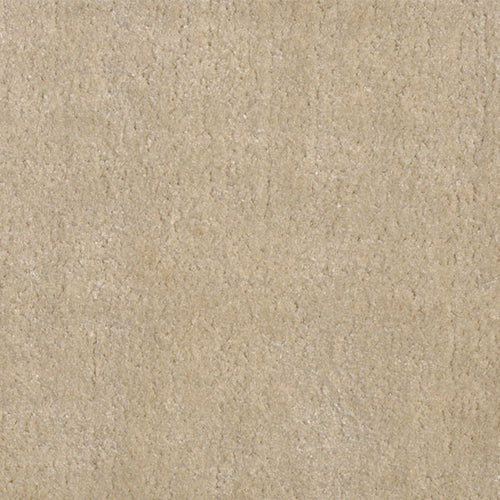
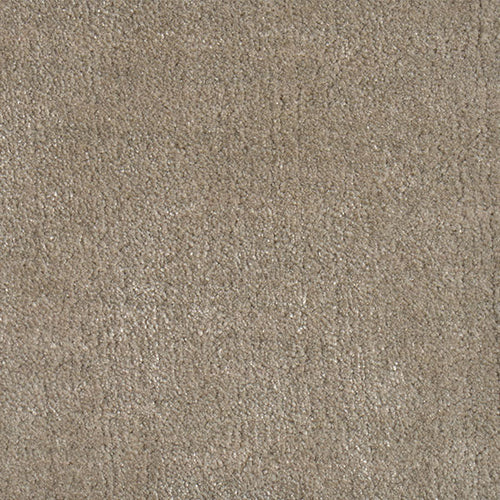
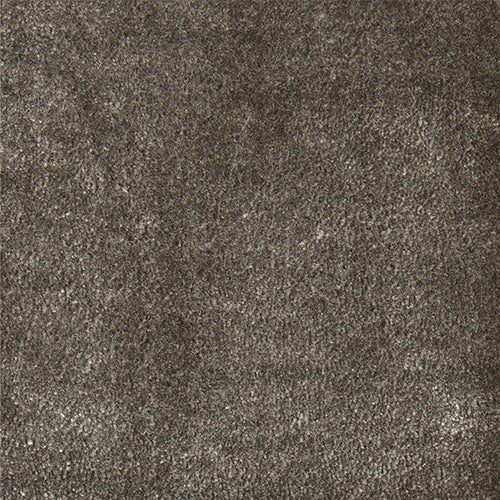
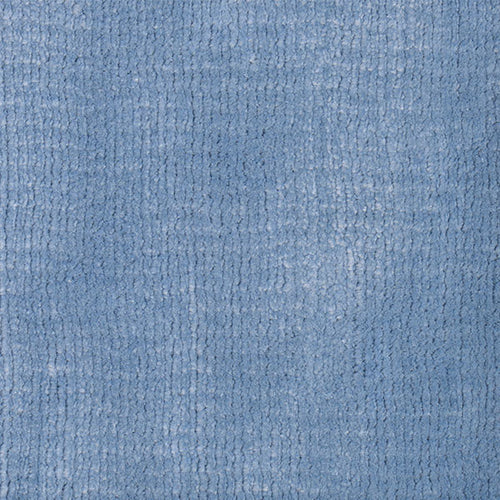
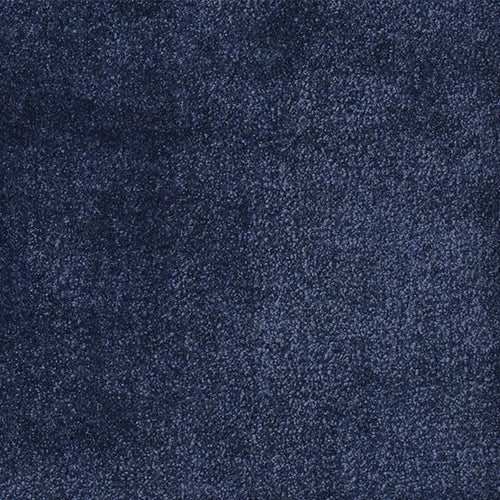
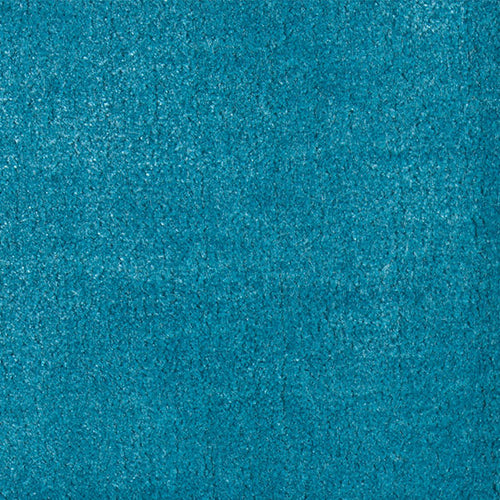
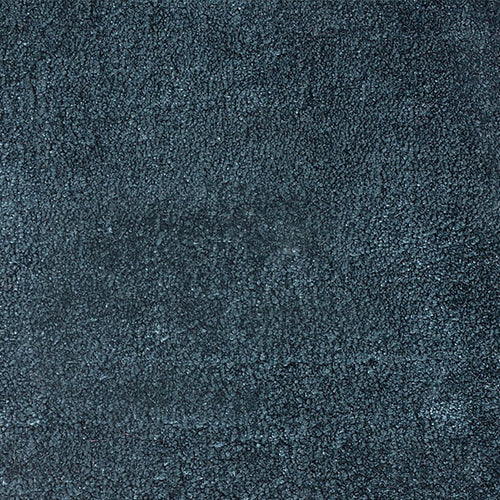
MADISON embodies the elegance of New York’s Madison Avenue. Its dense pile of fine viscose has a silky sheen that brings colour and light together in a uniquely captivating way. Depending on the viewing angle, the surface appears lighter, deeper or almost shimmering.
Its sumptuous materiality gives the rug a soft feel and an elegant presence in the room. Generous areas in particular showcase the beauty of the viscose; as a custom-sized rug, MADISON becomes the quiet centrepiece of an interior.
A rug for spaces where colour, light and textile sensuality are part of the atmosphere.
Configure a custom version
origin: India
Benefits:
Facts:
The cleaning instructions “Cleaning and Care of Viscose Rugs” apply to this product.
Viscose is a regenerated cellulose fiber with a soft feel and characteristic sheen. Depending on the angle of light and the direction of the fibers, lively lighter and darker shades appear. This optical variability is part of the material and is not a sign ...
For the complete cleaning instructions
